Research & Development World

  • R&D World Home
  • Topics
    • Aerospace
    • Automotive
    • Biotech
    • Careers
    • Chemistry
    • Environment
    • Energy
    • Life Science
    • Material Science
    • R&D Management
    • Physics
  • Technology
    • 3D Printing
    • A.I./Robotics
    • Software
    • Battery Technology
    • Controlled Environments
      • Cleanrooms
      • Graphene
      • Lasers
      • Regulations/Standards
      • Sensors
    • Imaging
    • Nanotechnology
    • Scientific Computing
      • Big Data
      • HPC/Supercomputing
      • Informatics
      • Security
    • Semiconductors
  • R&D Market Pulse
  • R&D 100
    • 2025 R&D 100 Award Winners
    • 2025 Professional Award Winners
    • 2025 Special Recognition Winners
    • R&D 100 Awards Event
    • R&D 100 Submissions
    • Winner Archive
  • Resources
    • Research Reports
    • Digital Issues
    • Educational Assets
    • R&D Index
    • Subscribe
    • Video
    • Webinars
    • Content submission guidelines for R&D World
  • Global Funding Forecast
  • Top Labs
  • Advertise
  • SUBSCRIBE

Bee brains offer insights into how human memories form

By R&D Editors | November 24, 2014

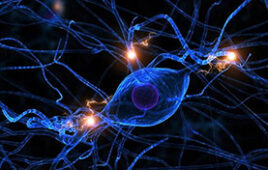
Dr. Judith Reinhard (above) said that the research provided a fundamental understanding of how neural circuits were built and consolidated to retain memories.Univ. of Queensland scientists have discovered that genes switch off as memories are being formed, allowing for new connections between nerve cells.

The discovery could eventually lead to a key for treating conditions such as autism and dementia.

Researchers studying honeybees during learning activities have shown that memory management in the bee brain is controlled by small genetic elements called microRNAs that help regulate gene expression.

Queensland Brain Institute researchers Prof. Charles Claudianos and Dr. Judith Reinhard have led an international team which has discovered that these microRNAs could directly target the key developmental gene actin, which controls the ability of nerve cells to connect with other nerve cells.

“We believe the brain selectively controls the wiring of memory through microRNAs that switch off key genes that shape, connect and signal between neurons,” Prof. Claudianos said.

“The brain is constantly managing all of the sensory experiences we receive at any one time, and retains some of these as memories based on the relative importance or significance of the experience, such as food, danger and sex, to name some examples.

“We are now gaining an insight into how this occurs.

“By understanding how we can control nerve cell development with the technology used in our study, we may eventually help redress disorders such as dementia and autism.

“The current hypothesis in autism is that those brains are over-connected, so getting a grasp of understanding how to regulate neural circuitry could provide future methods of tackling these problems.

“The nervous system behind memory formation is fundamentally no different between a honeybee and a human, so by studying bees we identify the basic biological processes that help us understand humans.”

Dr. Reinhard said the research provided a fundamental understanding of how neural circuits were built and consolidated to retain memories.

“Memory is a fundamental component of many mental health disorders, so understanding the basic science behind memories will give us greater insight into many disorders,” she said.

“Human illnesses and diseases such as muscular myopathies, neurodevelopmental disorders and susceptibility to infection are caused by DNA mutations that affect actin and actin-related biological processes.

“Molecules such as microRNAs are thought to have evolved to shape biological processes through controlling the expression genes that function in that process. A single microRNA can control many genes that function in the nervous system.”

Source: Univ. of Queensland

Related Articles Read More >

Pancreas or pancreatic cancer with organs and tumors or cancerous cells 3D rendering illustration with male body. Anatomy, oncology, disease, medical, biology, science, healthcare concepts.
AI tool used to detect pancreatic cancer in routine CT scans in China 
Drones help diagnose deadly whale viruses 
Drowning in variants? Mount Sinai tool adds phenotype filter
Oral Wegovy approval charts a new course for blockbuster drug development
rd newsletter
EXPAND YOUR KNOWLEDGE AND STAY CONNECTED
Get the latest info on technologies, trends, and strategies in Research & Development.
RD 25 Power Index

R&D World Digital Issues

Fall 2025 issue

Browse the most current issue of R&D World and back issues in an easy to use high quality format. Clip, share and download with the leading R&D magazine today.

R&D 100 Awards
Research & Development World
  • Subscribe to R&D World Magazine
  • Sign up for R&D World’s newsletter
  • Contact Us
  • About Us
  • Drug Discovery & Development
  • Pharmaceutical Processing
  • Global Funding Forecast

Copyright © 2026 WTWH Media LLC. All Rights Reserved. The material on this site may not be reproduced, distributed, transmitted, cached or otherwise used, except with the prior written permission of WTWH Media
Privacy Policy | Advertising | About Us

Search R&D World

  • R&D World Home
  • Topics
    • Aerospace
    • Automotive
    • Biotech
    • Careers
    • Chemistry
    • Environment
    • Energy
    • Life Science
    • Material Science
    • R&D Management
    • Physics
  • Technology
    • 3D Printing
    • A.I./Robotics
    • Software
    • Battery Technology
    • Controlled Environments
      • Cleanrooms
      • Graphene
      • Lasers
      • Regulations/Standards
      • Sensors
    • Imaging
    • Nanotechnology
    • Scientific Computing
      • Big Data
      • HPC/Supercomputing
      • Informatics
      • Security
    • Semiconductors
  • R&D Market Pulse
  • R&D 100
    • 2025 R&D 100 Award Winners
    • 2025 Professional Award Winners
    • 2025 Special Recognition Winners
    • R&D 100 Awards Event
    • R&D 100 Submissions
    • Winner Archive
  • Resources
    • Research Reports
    • Digital Issues
    • Educational Assets
    • R&D Index
    • Subscribe
    • Video
    • Webinars
    • Content submission guidelines for R&D World
  • Global Funding Forecast
  • Top Labs
  • Advertise
  • SUBSCRIBE