Research & Development World

  • R&D World Home
  • Topics
    • Aerospace
    • Automotive
    • Biotech
    • Careers
    • Chemistry
    • Environment
    • Energy
    • Life Science
    • Material Science
    • R&D Management
    • Physics
  • Technology
    • 3D Printing
    • A.I./Robotics
    • Software
    • Battery Technology
    • Controlled Environments
      • Cleanrooms
      • Graphene
      • Lasers
      • Regulations/Standards
      • Sensors
    • Imaging
    • Nanotechnology
    • Scientific Computing
      • Big Data
      • HPC/Supercomputing
      • Informatics
      • Security
    • Semiconductors
  • R&D Market Pulse
  • R&D 100
    • 2025 R&D 100 Award Winners
    • 2025 Professional Award Winners
    • 2025 Special Recognition Winners
    • R&D 100 Awards Event
    • R&D 100 Submissions
    • Winner Archive
  • Resources
    • Research Reports
    • Digital Issues
    • Educational Assets
    • R&D Index
    • Subscribe
    • Video
    • Webinars
    • Content submission guidelines for R&D World
  • Global Funding Forecast
  • Top Labs
  • Advertise
  • SUBSCRIBE

Controversial Experiment for Brain-Dead Revival Dropped

By Kenny Walter | November 16, 2016

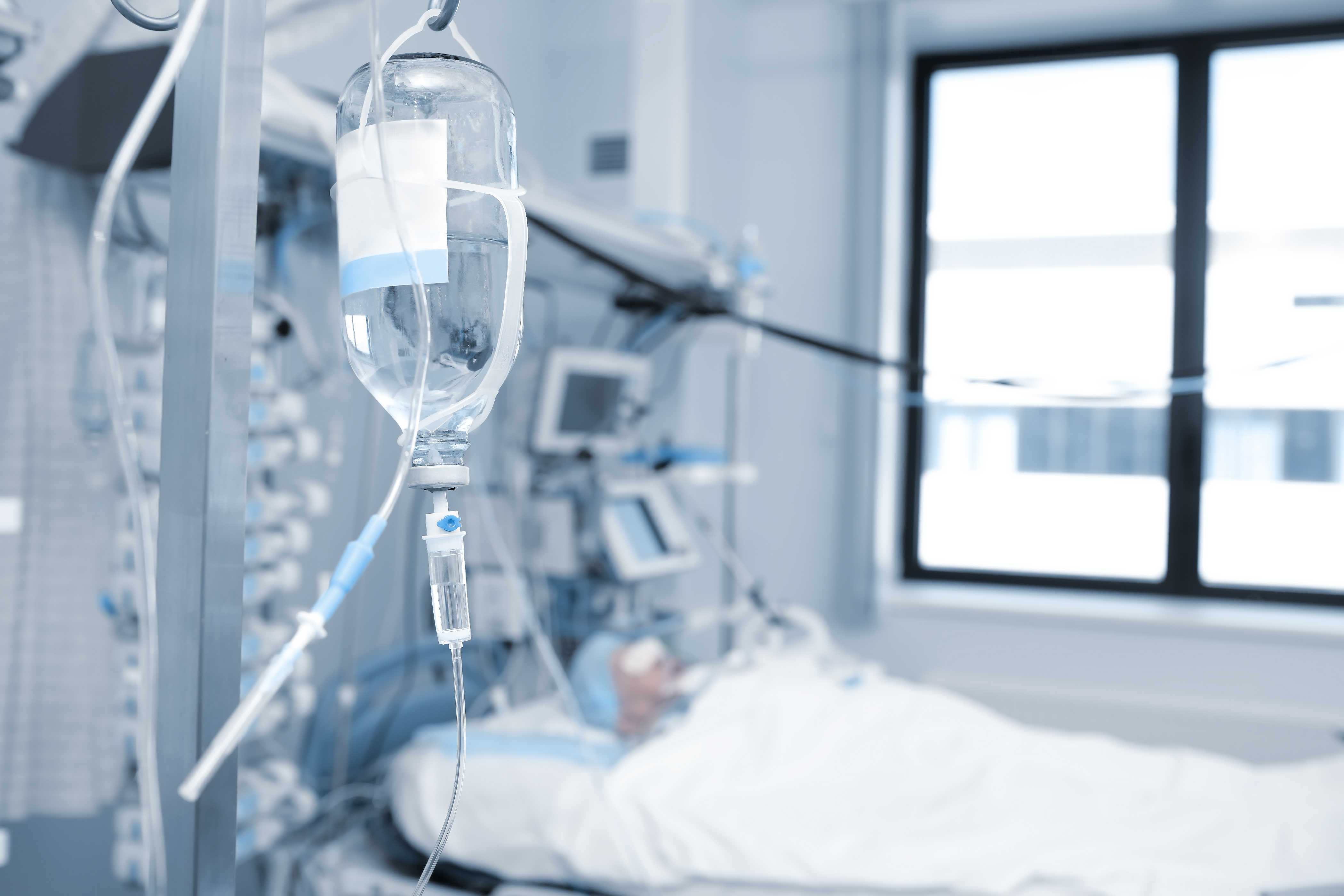
A controversial experiment attempting to revive brain-dead patients in India has been dropped. (Credit: Shutterstock)

A controversial experiment to revive brain-dead accident victims has been scrapped.

The Indian Council of Medical Research’s (ICMR) National Institute of Medical Statistics officially removed the “ReAnima” trial from India’s clinical trial registry on Nov. 11.

The experiment began in May when Himanshu Bansal, an orthopedic surgeon at Anupam Hospital in the north Indian state of Uttarakhand, announced plans to give approximately 20 brain-dead people a mix of interventions including injections of mesenchymal stem cells, peptides, transcranial laser stimulation and median nerve stimulation.

Transcranial laser stimulation is a process that involves shinning pulses of near-infrared light in the brain, while median nerve stimulation is the electrical stimulation of a major nerve that runs from the neck to the arm. Both techniques have been proven to improve cognition in patients with traumatic brain injury.

The ICMR identified several regulatory lapses in the trial that led to the decision, including a failure to seek permission to proceed from the Drug Controller General of India, a requirement for all clinical trials in India.

Bansal previously described his aim as bringing brain-dead individuals back to a minimally conscious state where patients show flickers of consciousness like moving their eyes to track objects.

While there is little evidence to show that brain-dead people can recover with function, Bansal has maintained that there is a significant number of cases of people who have recovered full consciousness from a minimally conscious state.

However, other researchers have doubted the project, claiming that situations where brain-dead individuals on life support who return to a fully functional state is hard to interpret and often lack evidence of brain death such as the apnea test, a measure of whether the person’s brain stem is making an effort to breathe.

Other concerns raised by scientists and physicians include whether the trial is ethically justified and that the mix of interventions has not been tested in animal models.

In a press statement, Bansal defended the proposal, saying there is no good animal models for human brain death.  

 

Related Articles Read More >

Pancreas or pancreatic cancer with organs and tumors or cancerous cells 3D rendering illustration with male body. Anatomy, oncology, disease, medical, biology, science, healthcare concepts.
AI tool used to detect pancreatic cancer in routine CT scans in China 
Drones help diagnose deadly whale viruses 
Drowning in variants? Mount Sinai tool adds phenotype filter
Oral Wegovy approval charts a new course for blockbuster drug development
rd newsletter
EXPAND YOUR KNOWLEDGE AND STAY CONNECTED
Get the latest info on technologies, trends, and strategies in Research & Development.
RD 25 Power Index

R&D World Digital Issues

Fall 2025 issue

Browse the most current issue of R&D World and back issues in an easy to use high quality format. Clip, share and download with the leading R&D magazine today.

R&D 100 Awards
Research & Development World
  • Subscribe to R&D World Magazine
  • Sign up for R&D World’s newsletter
  • Contact Us
  • About Us
  • Drug Discovery & Development
  • Pharmaceutical Processing
  • Global Funding Forecast

Copyright © 2026 WTWH Media LLC. All Rights Reserved. The material on this site may not be reproduced, distributed, transmitted, cached or otherwise used, except with the prior written permission of WTWH Media
Privacy Policy | Advertising | About Us

Search R&D World

  • R&D World Home
  • Topics
    • Aerospace
    • Automotive
    • Biotech
    • Careers
    • Chemistry
    • Environment
    • Energy
    • Life Science
    • Material Science
    • R&D Management
    • Physics
  • Technology
    • 3D Printing
    • A.I./Robotics
    • Software
    • Battery Technology
    • Controlled Environments
      • Cleanrooms
      • Graphene
      • Lasers
      • Regulations/Standards
      • Sensors
    • Imaging
    • Nanotechnology
    • Scientific Computing
      • Big Data
      • HPC/Supercomputing
      • Informatics
      • Security
    • Semiconductors
  • R&D Market Pulse
  • R&D 100
    • 2025 R&D 100 Award Winners
    • 2025 Professional Award Winners
    • 2025 Special Recognition Winners
    • R&D 100 Awards Event
    • R&D 100 Submissions
    • Winner Archive
  • Resources
    • Research Reports
    • Digital Issues
    • Educational Assets
    • R&D Index
    • Subscribe
    • Video
    • Webinars
    • Content submission guidelines for R&D World
  • Global Funding Forecast
  • Top Labs
  • Advertise
  • SUBSCRIBE