Research & Development World

  • R&D World Home
  • Topics
    • Aerospace
    • Automotive
    • Biotech
    • Careers
    • Chemistry
    • Environment
    • Energy
    • Life Science
    • Material Science
    • R&D Management
    • Physics
  • Technology
    • 3D Printing
    • A.I./Robotics
    • Software
    • Battery Technology
    • Controlled Environments
      • Cleanrooms
      • Graphene
      • Lasers
      • Regulations/Standards
      • Sensors
    • Imaging
    • Nanotechnology
    • Scientific Computing
      • Big Data
      • HPC/Supercomputing
      • Informatics
      • Security
    • Semiconductors
  • R&D Market Pulse
  • R&D 100
    • 2025 R&D 100 Award Winners
    • 2025 Professional Award Winners
    • 2025 Special Recognition Winners
    • R&D 100 Awards Event
    • R&D 100 Submissions
    • Winner Archive
  • Resources
    • Research Reports
    • Digital Issues
    • Educational Assets
    • R&D Index
    • Subscribe
    • Video
    • Webinars
    • Content submission guidelines for R&D World
  • Global Funding Forecast
  • Top Labs
  • Advertise
  • SUBSCRIBE

Deep Brain Stimulation: Improving Outcomes in the Treatment of Movement Disorders

By Charité - Universitätsmedizin Berlin | December 28, 2017

Dystonia affects more than 500,000 people across Europe. Globally, it is the third most common movement disorder after Parkinson’s disease and essential tremor. In patients with dystonia, the balance between excitatory and inhibitory neural connections, which is normally responsible for ‘normal’ movement processes, is disrupted. This results in patients experiencing involuntary movements, muscle spasms and contractions; in the case of cervical dystonia, symptoms affect the muscles of the neck.

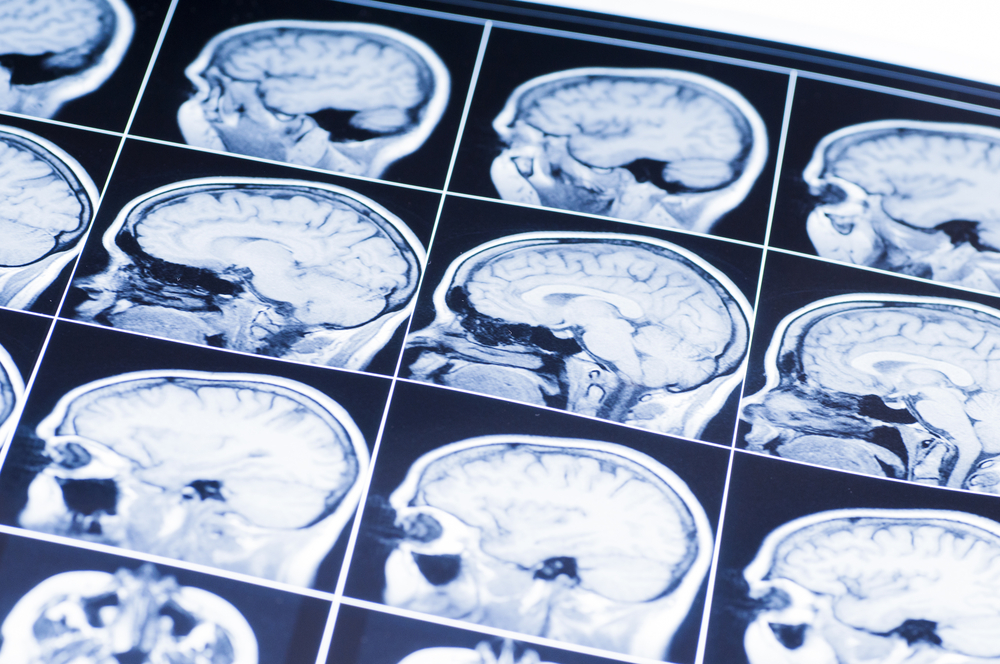
For the first time, researchers from the Movement Disorders Unit of the Department of Neurology have shown that both symptom severity and the clinical outcomes achieved through deep brain stimulation (DBS) are directly linked to a specific pattern of brain activity, which is found in patients with isolated dystonia. In these patients, oscillatory brain activity in enhanced in the ‘theta band’ – rhythmic neural activity which occurs at a frequency of between 4 and 12 Hertz. A total of 27 patients received bilateral DBS electrode implants as part of this study. Using stereotactic brain mapping technology, these were implanted into the globus pallidus internus (GPi), a region within the basal ganglia. While the clinical effectiveness of this treatment is well documented, and GPi stimulation is known to be capable of reducing increased neuronal activity, the underlying mechanisms had previously remained unresolved. All of the patients studied exhibited the typical interplay between brain activity, previously determined symptom severity, proximity to the optimal stimulation target, and clinical outcomes.

Prof. Dr. Andrea Kühn, of Charité’s Department of Neurology, leads a team of researchers committed to the study of movement disorders and the use of DBS-based treatments. So far, her team has recorded the brain activity of more than 400 patients undergoing DBS treatment, analyzing all of the data collected for potential patterns which correlate with symptom severity and treatment outcomes. Using ‘LEAD-DBS’, a type of software initially developed at Charité, the researchers used these data to reconstruct a 3D-map of the oscillatory amplitudes within a virtual brain. This revealed a significant localized increase in the relevant activity pattern, which was found in the area of the brain associated with the best treatment outcomes in dystonia patients undergoing DBS.

“Our findings suggest that theta band oscillations may be responsible for dystonic symptoms, and may also explain the mechanism of action of DBS, as well as the location of the optimal stimulation target in affected patients,” explains Dr. Wolf-Julian Neumann of the Movement Disorders Unit.

“We are also currently studying the long-term effects of DBS on neuronal activity. We are one of a few centers in the world to do so, and are currently running a separate study involving 15 patients with dystonia. Our research is made possible thanks to an innovative DBS system, which continues to record brain activity after implantation,” explains Prof. Dr. Andrea Kühn, Head of the Movement Disorders Unit and Member of the Board of Directors of the NeuroCure Cluster of Excellence.


Related Articles Read More >

Pancreas or pancreatic cancer with organs and tumors or cancerous cells 3D rendering illustration with male body. Anatomy, oncology, disease, medical, biology, science, healthcare concepts.
AI tool used to detect pancreatic cancer in routine CT scans in China 
Drones help diagnose deadly whale viruses 
Drowning in variants? Mount Sinai tool adds phenotype filter
Oral Wegovy approval charts a new course for blockbuster drug development
rd newsletter
EXPAND YOUR KNOWLEDGE AND STAY CONNECTED
Get the latest info on technologies, trends, and strategies in Research & Development.
RD 25 Power Index

R&D World Digital Issues

Fall 2025 issue

Browse the most current issue of R&D World and back issues in an easy to use high quality format. Clip, share and download with the leading R&D magazine today.

R&D 100 Awards
Research & Development World
  • Subscribe to R&D World Magazine
  • Sign up for R&D World’s newsletter
  • Contact Us
  • About Us
  • Drug Discovery & Development
  • Pharmaceutical Processing
  • Global Funding Forecast

Copyright © 2026 WTWH Media LLC. All Rights Reserved. The material on this site may not be reproduced, distributed, transmitted, cached or otherwise used, except with the prior written permission of WTWH Media
Privacy Policy | Advertising | About Us

Search R&D World

  • R&D World Home
  • Topics
    • Aerospace
    • Automotive
    • Biotech
    • Careers
    • Chemistry
    • Environment
    • Energy
    • Life Science
    • Material Science
    • R&D Management
    • Physics
  • Technology
    • 3D Printing
    • A.I./Robotics
    • Software
    • Battery Technology
    • Controlled Environments
      • Cleanrooms
      • Graphene
      • Lasers
      • Regulations/Standards
      • Sensors
    • Imaging
    • Nanotechnology
    • Scientific Computing
      • Big Data
      • HPC/Supercomputing
      • Informatics
      • Security
    • Semiconductors
  • R&D Market Pulse
  • R&D 100
    • 2025 R&D 100 Award Winners
    • 2025 Professional Award Winners
    • 2025 Special Recognition Winners
    • R&D 100 Awards Event
    • R&D 100 Submissions
    • Winner Archive
  • Resources
    • Research Reports
    • Digital Issues
    • Educational Assets
    • R&D Index
    • Subscribe
    • Video
    • Webinars
    • Content submission guidelines for R&D World
  • Global Funding Forecast
  • Top Labs
  • Advertise
  • SUBSCRIBE