Research & Development World

  • R&D World Home
  • Topics
    • Aerospace
    • Automotive
    • Biotech
    • Careers
    • Chemistry
    • Environment
    • Energy
    • Life Science
    • Material Science
    • R&D Management
    • Physics
  • Technology
    • 3D Printing
    • A.I./Robotics
    • Software
    • Battery Technology
    • Controlled Environments
      • Cleanrooms
      • Graphene
      • Lasers
      • Regulations/Standards
      • Sensors
    • Imaging
    • Nanotechnology
    • Scientific Computing
      • Big Data
      • HPC/Supercomputing
      • Informatics
      • Security
    • Semiconductors
  • R&D Market Pulse
  • R&D 100
    • 2025 R&D 100 Award Winners
    • 2025 Professional Award Winners
    • 2025 Special Recognition Winners
    • R&D 100 Awards Event
    • R&D 100 Submissions
    • Winner Archive
  • Resources
    • Research Reports
    • Digital Issues
    • Educational Assets
    • R&D Index
    • Subscribe
    • Video
    • Webinars
    • Content submission guidelines for R&D World
  • Global Funding Forecast
  • Top Labs
  • Advertise
  • SUBSCRIBE

Graphene Could Strengthen Nerve Signaling in the Brain

By Kenny Walter | March 2, 2018

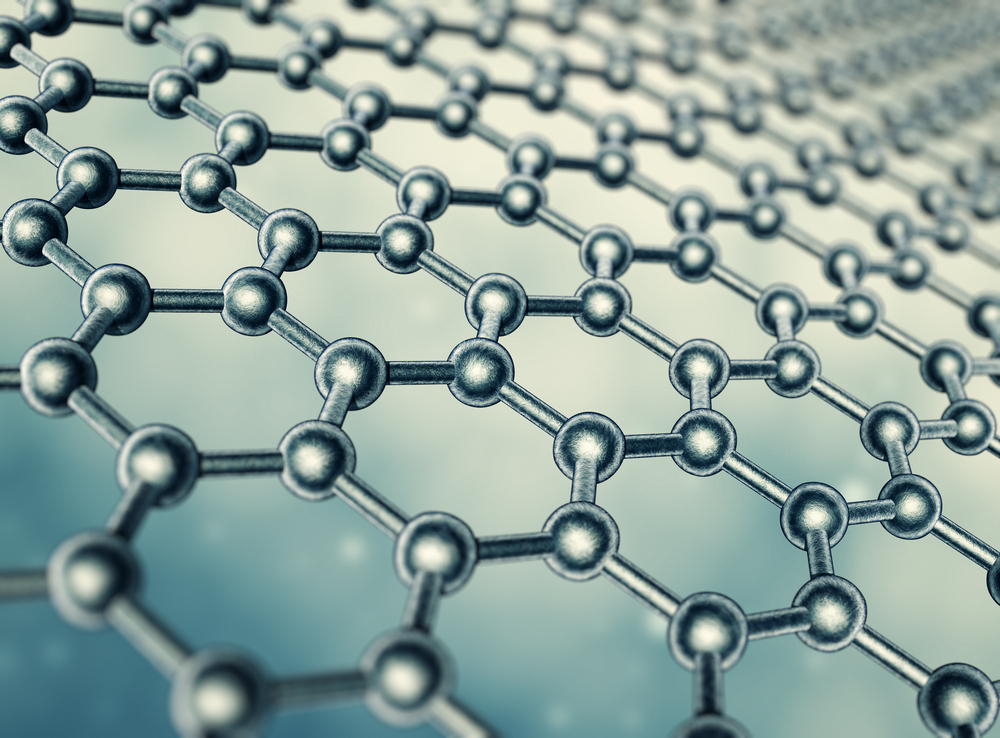
Graphene could hold the key to increasing the strength of nerve cell signaling and enabling nerve cell membranes to pull in more cholesterol, according to recent findings from Vanderbilt University

Cholesterol makes more of the vesicles that package neurotransmitters, the chemical messengers that relay signals between nerve cells. More vesicles and more neurotransmitter meant stronger signals.

“We observed an increase in neuronal firing frequency on graphene,” Kristina Kitko, a graduate student in interdisciplinary material science and first author, said in a statement. “This was substantial and our curiosity was piqued.

“When we began to look at more targeted measurements of presynaptic activity, what consistently emerged was surprising: synaptic potentiation on graphene,” she added.

Graphene is seen as a possible biosensor because it readily conducts heat and electricity.

The new findings raise the possibility that graphene may enable researchers to change how cells communicate with each other by manipulating the cholesterol content in the cell membrane.After originally attempting to use graphene to measure electrical activity in the brain, the researchers grew neurons on a sheet of graphene and found that the graphene was likely acting at the nerve cell membrane, which consists primarily of cholesterol.

“This led us to the idea of manipulating membrane cholesterol levels,” Kitko said. “Cholesterol plays important and fundamental roles to cells in a variety of ways, but with particular relevance to drug discovery we demonstrated the effect of graphene on G protein-coupled receptors, whose activity are mediated by cholesterol.”


Related Articles Read More >

The 2025 R&D 100 Finalists are here
New nanotechnology method increases microalgae biofuel yield by 300%
New nanopore sensor paves the way for fast, accurate, low-cost DNA sequencing
Floating solar mats clean polluted water — and generate power
rd newsletter
EXPAND YOUR KNOWLEDGE AND STAY CONNECTED
Get the latest info on technologies, trends, and strategies in Research & Development.
RD 25 Power Index

R&D World Digital Issues

Fall 2025 issue

Browse the most current issue of R&D World and back issues in an easy to use high quality format. Clip, share and download with the leading R&D magazine today.

Research & Development World
  • Subscribe to R&D World Magazine
  • Sign up for R&D World’s newsletter
  • Contact Us
  • About Us
  • Drug Discovery & Development
  • Pharmaceutical Processing
  • Global Funding Forecast

Copyright © 2025 WTWH Media LLC. All Rights Reserved. The material on this site may not be reproduced, distributed, transmitted, cached or otherwise used, except with the prior written permission of WTWH Media
Privacy Policy | Advertising | About Us

Search R&D World

  • R&D World Home
  • Topics
    • Aerospace
    • Automotive
    • Biotech
    • Careers
    • Chemistry
    • Environment
    • Energy
    • Life Science
    • Material Science
    • R&D Management
    • Physics
  • Technology
    • 3D Printing
    • A.I./Robotics
    • Software
    • Battery Technology
    • Controlled Environments
      • Cleanrooms
      • Graphene
      • Lasers
      • Regulations/Standards
      • Sensors
    • Imaging
    • Nanotechnology
    • Scientific Computing
      • Big Data
      • HPC/Supercomputing
      • Informatics
      • Security
    • Semiconductors
  • R&D Market Pulse
  • R&D 100
    • 2025 R&D 100 Award Winners
    • 2025 Professional Award Winners
    • 2025 Special Recognition Winners
    • R&D 100 Awards Event
    • R&D 100 Submissions
    • Winner Archive
  • Resources
    • Research Reports
    • Digital Issues
    • Educational Assets
    • R&D Index
    • Subscribe
    • Video
    • Webinars
    • Content submission guidelines for R&D World
  • Global Funding Forecast
  • Top Labs
  • Advertise
  • SUBSCRIBE