Research & Development World

  • R&D World Home
  • Topics
    • Aerospace
    • Automotive
    • Biotech
    • Careers
    • Chemistry
    • Environment
    • Energy
    • Life Science
    • Material Science
    • R&D Management
    • Physics
  • Technology
    • 3D Printing
    • A.I./Robotics
    • Software
    • Battery Technology
    • Controlled Environments
      • Cleanrooms
      • Graphene
      • Lasers
      • Regulations/Standards
      • Sensors
    • Imaging
    • Nanotechnology
    • Scientific Computing
      • Big Data
      • HPC/Supercomputing
      • Informatics
      • Security
    • Semiconductors
  • R&D Market Pulse
  • R&D 100
    • 2025 R&D 100 Award Winners
    • 2025 Professional Award Winners
    • 2025 Special Recognition Winners
    • R&D 100 Awards Event
    • R&D 100 Submissions
    • Winner Archive
  • Resources
    • Research Reports
    • Digital Issues
    • Educational Assets
    • R&D Index
    • Subscribe
    • Video
    • Webinars
    • Content submission guidelines for R&D World
  • Global Funding Forecast
  • Top Labs
  • Advertise
  • SUBSCRIBE

HRL Receives NASA Award to 3D Print Ceramic Rocket Engine Components

By HRL Laboratories | August 23, 2017

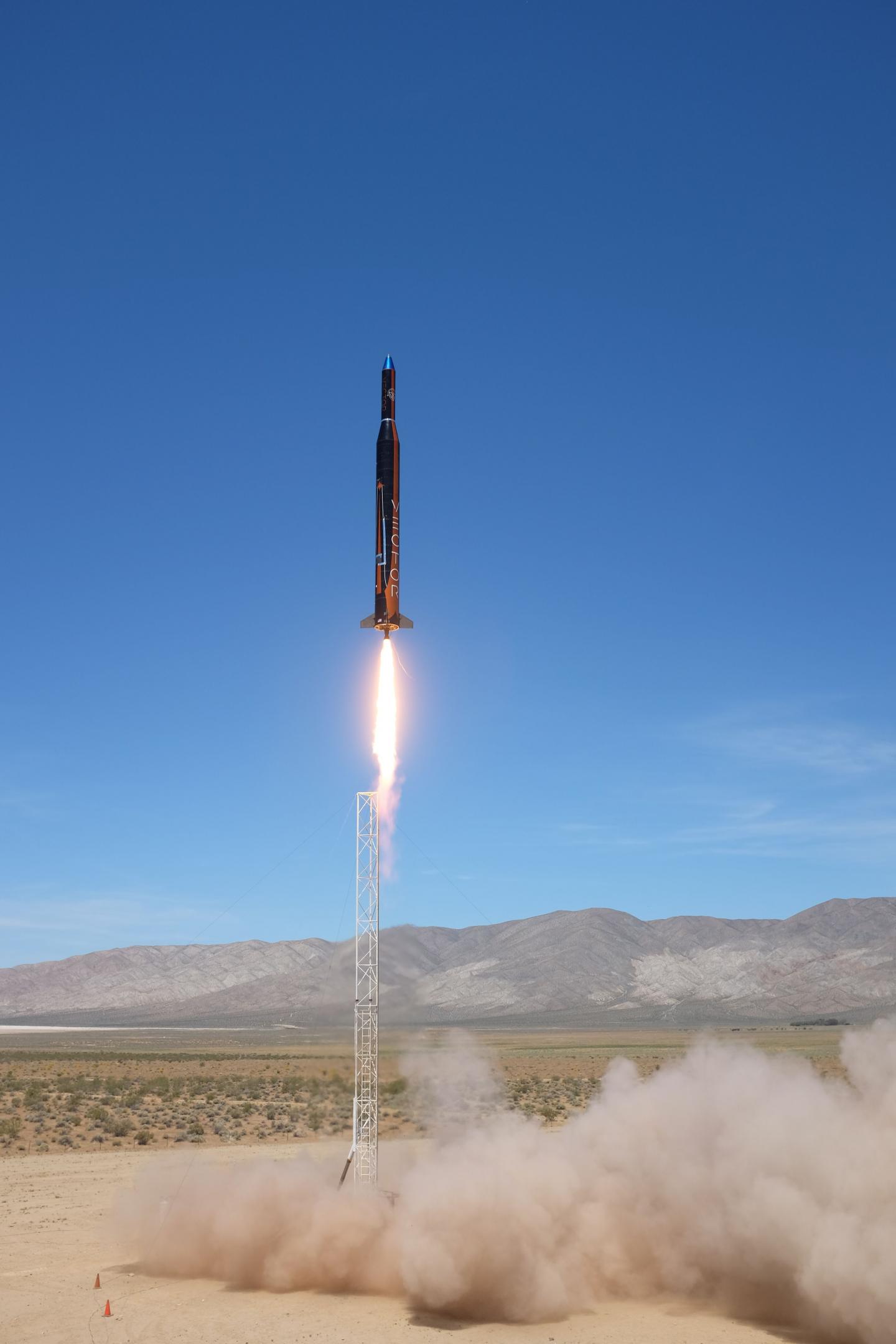
Vector rocket. Source: Image courtesy of Vector Space Systems

HRL Laboratories, has received an award as part of NASA’s Space Technology Research, Development, Demonstration, and Infusion program to develop additive manufactured (3D-printed) ceramic rocket engine components.

HRL achieved a scientific breakthrough with preceramic resins that can be 3D printed and converted to high-temperature ceramic that was first published in the journal Science on January 1, 2016.

With NASA support, HRL researchers will further develop this new technology to additively manufacture reinforced ceramic rocket propulsion components. The HRL technique combines the ease, flexibility, and low cost of polymer additive manufacturing with the high-temperature capabilities of ceramics. This will enable new designs, lower costs and reduced lead time.

“High-temperature ceramics are notoriously difficult to process with conventional methods,” said Tobias Schaedler, the project’s program manager. “3D printing could completely change what ceramic parts look like and where they are applied in rocket engines.”

HRL will subcontract with Vector, a micro satellite launch company that will investigate innovative rocket engine designs and assess performance improvements to its line of launch vehicles enabled by additive manufacturing. The two-year program will culminate with hot-fire ground testing of rocket engines that contain 3D-printed heat-resistant components at Vector’s facility.
Related Articles Read More >

R&D 100 winner LLNL achieves 1,000x speed boost in 3D nanofabrication
Caltech team 3D-prints drug depots deep inside living tissue
What could make MXene a key to ultra-precise, additive-free 3D microprinting?
Industry 4.0 Modern Factory: Facility Operator Controls Workshop Production Line, Uses Computer with Screens Showing Complex UI of Machine Operation Processes, Controllers, Machinery Blueprints
Building the thinking factory: An additive exec on AI, automation, and the skills crisis
rd newsletter
EXPAND YOUR KNOWLEDGE AND STAY CONNECTED
Get the latest info on technologies, trends, and strategies in Research & Development.
RD 25 Power Index

R&D World Digital Issues

Fall 2025 issue

Browse the most current issue of R&D World and back issues in an easy to use high quality format. Clip, share and download with the leading R&D magazine today.

R&D 100 Awards
Research & Development World
  • Subscribe to R&D World Magazine
  • Sign up for R&D World’s newsletter
  • Contact Us
  • About Us
  • Drug Discovery & Development
  • Pharmaceutical Processing
  • Global Funding Forecast

Copyright © 2026 WTWH Media LLC. All Rights Reserved. The material on this site may not be reproduced, distributed, transmitted, cached or otherwise used, except with the prior written permission of WTWH Media
Privacy Policy | Advertising | About Us

Search R&D World

  • R&D World Home
  • Topics
    • Aerospace
    • Automotive
    • Biotech
    • Careers
    • Chemistry
    • Environment
    • Energy
    • Life Science
    • Material Science
    • R&D Management
    • Physics
  • Technology
    • 3D Printing
    • A.I./Robotics
    • Software
    • Battery Technology
    • Controlled Environments
      • Cleanrooms
      • Graphene
      • Lasers
      • Regulations/Standards
      • Sensors
    • Imaging
    • Nanotechnology
    • Scientific Computing
      • Big Data
      • HPC/Supercomputing
      • Informatics
      • Security
    • Semiconductors
  • R&D Market Pulse
  • R&D 100
    • 2025 R&D 100 Award Winners
    • 2025 Professional Award Winners
    • 2025 Special Recognition Winners
    • R&D 100 Awards Event
    • R&D 100 Submissions
    • Winner Archive
  • Resources
    • Research Reports
    • Digital Issues
    • Educational Assets
    • R&D Index
    • Subscribe
    • Video
    • Webinars
    • Content submission guidelines for R&D World
  • Global Funding Forecast
  • Top Labs
  • Advertise
  • SUBSCRIBE