Research & Development World

  • R&D World Home
  • Topics
    • Aerospace
    • Automotive
    • Biotech
    • Careers
    • Chemistry
    • Environment
    • Energy
    • Life Science
    • Material Science
    • R&D Management
    • Physics
  • Technology
    • 3D Printing
    • A.I./Robotics
    • Software
    • Battery Technology
    • Controlled Environments
      • Cleanrooms
      • Graphene
      • Lasers
      • Regulations/Standards
      • Sensors
    • Imaging
    • Nanotechnology
    • Scientific Computing
      • Big Data
      • HPC/Supercomputing
      • Informatics
      • Security
    • Semiconductors
  • R&D Market Pulse
  • R&D 100
    • 2025 R&D 100 Award Winners
    • 2025 Professional Award Winners
    • 2025 Special Recognition Winners
    • R&D 100 Awards Event
    • R&D 100 Submissions
    • Winner Archive
  • Resources
    • Research Reports
    • Digital Issues
    • Educational Assets
    • R&D Index
    • Subscribe
    • Video
    • Webinars
    • Content submission guidelines for R&D World
  • Global Funding Forecast
  • Top Labs
  • Advertise
  • SUBSCRIBE

Lake Tahoe Warming 15 Times Faster than Long-term Average

By R&D Editors | July 29, 2016

A kayaker paddles along Zephyr Cove, the sight of the 19th Annual Lake Tahoe Summit in south Lake Tahoe, Nev. (AP Photo/Rich Pedroncelli, File)

The average surface temperature of Lake Tahoe has risen faster over the last four years than any time on record — 15 times faster than the long-term warming rate over the past half century, scientists say.

Continued warm and dry conditions contributed to several record-breaking measurements at Lake Tahoe in 2015, raising concerns about the ecological impacts of climate change on the second deepest lake in the United States, according to an annual report issued Thursday by the UC Davis Tahoe Environmental Research Center.

“Lake Tahoe experienced a year like no other,” according to the research center, which started keeping water temperature records in 1970 when it averaged 50.3 degrees.

The temperature in 2015 warmed nearly one-half of a degree from the previous year to a record 53.3 degrees Fahrenheit, the new study says.

Tahoe’s surface temperature slowly was increasing until it declined between 1997 and 2011, but since then it “has warmed at an alarming rate of over 0.3 F per year” — 15 times faster than the long-term average rate of .018 per year, the researchers said.

While precipitation was near average, only 6.5 percent of it fell as snow in 2015, the lowest amount on record. Only 24 days had below-freezing air temperatures, also a record, the report said.

Over the last 100 years, the daily air temperature on the lake’s northwest shore at Tahoe City, California has increased, with a 4.3 degree rise in the daily minimum temperature and a 2-degree increase in the daily maximum temperature, the report said.

Geoff Schladow, director of the research center, said scientists have been aware for some time now of the rising air temperatures around Tahoe, and more recently the warming of the lake itself.

“What is different this year is that we are seeing more aspects of the lake’s internal physics changing, and that is bound to alter the ecology,” said Schladow, a professor of water resources and environmental engineering at UC Davis.

For example, Lake Tahoe’s “mixing depth” last year — an important measurement of the intermingling of varying depths of water — was the shallowest ever recorded at 262 feet, the study said.

Typical mixing of waters that occurs at deep levels during the winter is critical to adding oxygen to the depths and distributing nitrogen that tends to accumulate at the bottom, the report said. Last year, Tahoe failed to mix its full depth for the fourth year in a row, it said.

Annual clarity fell 4.8 feet to 73.1 feet in 2015, due in part to warmer inflowing water. However, it was still more than 9 feet greater than the lowest recorded average of 64.1 feet in 1997, the report said.

Twenty-two miles long and 12 miles wide, the lake covers 191 square miles along the California-Nevada line. With a maximum depth of 1,645 feet — second only to Oregon’s Crater Lake, its waters would cover the state of California 14 inches deep.


 

Related Articles Read More >

Scientists release sodium hydroxide into the ocean to combat acidification
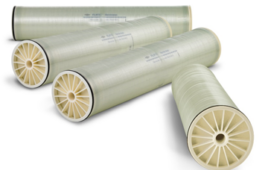
R&D 100 Winner Spotlight: DuPont’s high-salinity wastewater membrane
R&D 100 winner: How one startup is eliminating the century-old ‘dirty step’ in rare earth alloy manufacturing
AmazonFACE: Simulating the carbon future of the Amazon
rd newsletter
EXPAND YOUR KNOWLEDGE AND STAY CONNECTED
Get the latest info on technologies, trends, and strategies in Research & Development.
RD 25 Power Index

R&D World Digital Issues

Fall 2025 issue

Browse the most current issue of R&D World and back issues in an easy to use high quality format. Clip, share and download with the leading R&D magazine today.

R&D 100 Awards
Research & Development World
  • Subscribe to R&D World Magazine
  • Sign up for R&D World’s newsletter
  • Contact Us
  • About Us
  • Drug Discovery & Development
  • Pharmaceutical Processing
  • Global Funding Forecast

Copyright © 2026 WTWH Media LLC. All Rights Reserved. The material on this site may not be reproduced, distributed, transmitted, cached or otherwise used, except with the prior written permission of WTWH Media
Privacy Policy | Advertising | About Us

Search R&D World

  • R&D World Home
  • Topics
    • Aerospace
    • Automotive
    • Biotech
    • Careers
    • Chemistry
    • Environment
    • Energy
    • Life Science
    • Material Science
    • R&D Management
    • Physics
  • Technology
    • 3D Printing
    • A.I./Robotics
    • Software
    • Battery Technology
    • Controlled Environments
      • Cleanrooms
      • Graphene
      • Lasers
      • Regulations/Standards
      • Sensors
    • Imaging
    • Nanotechnology
    • Scientific Computing
      • Big Data
      • HPC/Supercomputing
      • Informatics
      • Security
    • Semiconductors
  • R&D Market Pulse
  • R&D 100
    • 2025 R&D 100 Award Winners
    • 2025 Professional Award Winners
    • 2025 Special Recognition Winners
    • R&D 100 Awards Event
    • R&D 100 Submissions
    • Winner Archive
  • Resources
    • Research Reports
    • Digital Issues
    • Educational Assets
    • R&D Index
    • Subscribe
    • Video
    • Webinars
    • Content submission guidelines for R&D World
  • Global Funding Forecast
  • Top Labs
  • Advertise
  • SUBSCRIBE