Research & Development World

  • R&D World Home
  • Topics
    • Aerospace
    • Automotive
    • Biotech
    • Careers
    • Chemistry
    • Environment
    • Energy
    • Life Science
    • Material Science
    • R&D Management
    • Physics
  • Technology
    • 3D Printing
    • A.I./Robotics
    • Software
    • Battery Technology
    • Controlled Environments
      • Cleanrooms
      • Graphene
      • Lasers
      • Regulations/Standards
      • Sensors
    • Imaging
    • Nanotechnology
    • Scientific Computing
      • Big Data
      • HPC/Supercomputing
      • Informatics
      • Security
    • Semiconductors
  • R&D Market Pulse
  • R&D 100
    • 2025 R&D 100 Award Winners
    • 2025 Professional Award Winners
    • 2025 Special Recognition Winners
    • R&D 100 Awards Event
    • R&D 100 Submissions
    • Winner Archive
  • Resources
    • Research Reports
    • Digital Issues
    • Educational Assets
    • R&D Index
    • Subscribe
    • Video
    • Webinars
    • Content submission guidelines for R&D World
  • Global Funding Forecast
  • Top Labs
  • Advertise
  • SUBSCRIBE

Ninety Percent of Predatory Fish Gone From Caribbean Coral Reefs Due to Overfishing

By University of North Carolina at Chapel Hill | March 3, 2017

Researchers at the University of North Carolina at Chapel Hill have found that up to 90 percent of predatory fish are gone from Caribbean coral reefs, straining the ocean ecosystem and coastal economy. The good news? They identified reefs, known as supersites, which can support large numbers of predator fishes that if reintroduced, can help restore the environmental and economic setback inflicted by overfishing.

The work, led by former UNC-Chapel Hill graduate student Abel Valdivia working with John Bruno, a marine biologist at UNC College of Arts & Sciences, suggests that these supersites – reefs with many nooks and crannies on its surface that act as hiding places for prey (and attract predators) – should be prioritized for protection and could serve as regional models showcasing the value of biodiversity for tourism and other uses. Other features that make a supersite are amount of available food, size of reef and proximity to mangroves.

“On land, a supersite would be a national park like Yellowstone, which naturally supports an abundance of varied wildlife and has been protected by the federal government,” said Bruno, whose work appears in the March 1 issue of Science Advances.

The team surveyed 39 reefs across the Bahamas, Cuba, Florida, Mexico and Belize, both inside and outside marine reserves, to determine how much fish had been lost by comparing fish biomass on pristine sites to fish biomass on a typical reef. They estimated the biomass in each location and found that 90 percent of predatory fish were gone due to overfishing.

What they didn’t expect to find was a ray of hope — a small number of reef locations that if protected could substantially contribute to the recovery of predatory fish populations and help restore depleted species.

“Some features have a surprisingly large effect on how many predators a reef can support,” said Courtney Ellen Cox, a coauthor and former UNC-Chapel Hill doctoral student now at the National Museum of Natural History in Washington, D.C. For example, researchers believe that the Columbia Reef within the fisheries closures of Cozumel, Mexico, could support an average 10 times the current level of predatory fish if protected.

Not long ago, large fishes were plentiful on coral reefs, but are now largely absent due to targeted fishing. Today, predators are larger and more abundant within the marine reserves than on unprotected, overfished reefs. But even some of the marine reserves have seen striking declines, largely due to lack of enforcement of fishing regulations.

The bottom line is protection of predatory fish is a win-win from both an environmental and an economical perspective, explained Bruno.

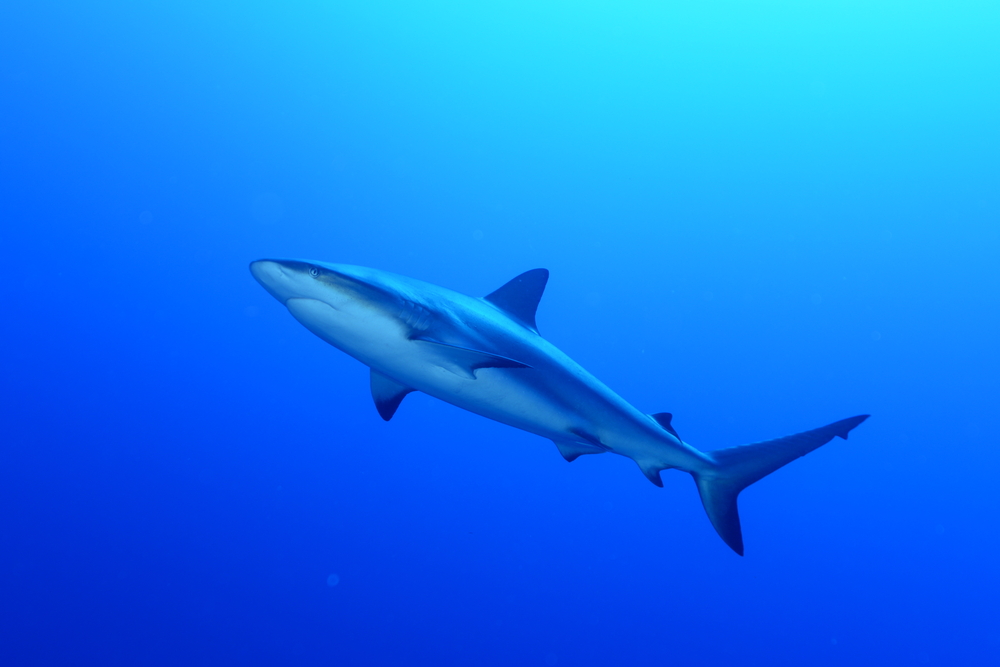
“A live shark is worth over a million dollars in tourism revenue over its lifespan because sharks live for decades and thousands of people will travel and dive just to see them up close,” said Valdivia, now at the Center for Biological Diversity in Oakland, Calif. “There is a massive economic incentive to restore and protect sharks and other top predators on coral reefs.”


Related Articles Read More >

New method achieves 89% defluorination of PFOA in lab tests
LLNL’s multi-ignition wildfire models could help predict and prevent, catastrophic fire events
Scientists release sodium hydroxide into the ocean to combat acidification
R&D 100 Winner Spotlight: DuPont’s high-salinity wastewater membrane
rd newsletter
EXPAND YOUR KNOWLEDGE AND STAY CONNECTED
Get the latest info on technologies, trends, and strategies in Research & Development.
RD 25 Power Index

R&D World Digital Issues

Fall 2025 issue

Browse the most current issue of R&D World and back issues in an easy to use high quality format. Clip, share and download with the leading R&D magazine today.

R&D 100 Awards
Research & Development World
  • Subscribe to R&D World Magazine
  • Sign up for R&D World’s newsletter
  • Contact Us
  • About Us
  • Drug Discovery & Development
  • Pharmaceutical Processing
  • Global Funding Forecast

Copyright © 2026 WTWH Media LLC. All Rights Reserved. The material on this site may not be reproduced, distributed, transmitted, cached or otherwise used, except with the prior written permission of WTWH Media
Privacy Policy | Advertising | About Us

Search R&D World

  • R&D World Home
  • Topics
    • Aerospace
    • Automotive
    • Biotech
    • Careers
    • Chemistry
    • Environment
    • Energy
    • Life Science
    • Material Science
    • R&D Management
    • Physics
  • Technology
    • 3D Printing
    • A.I./Robotics
    • Software
    • Battery Technology
    • Controlled Environments
      • Cleanrooms
      • Graphene
      • Lasers
      • Regulations/Standards
      • Sensors
    • Imaging
    • Nanotechnology
    • Scientific Computing
      • Big Data
      • HPC/Supercomputing
      • Informatics
      • Security
    • Semiconductors
  • R&D Market Pulse
  • R&D 100
    • 2025 R&D 100 Award Winners
    • 2025 Professional Award Winners
    • 2025 Special Recognition Winners
    • R&D 100 Awards Event
    • R&D 100 Submissions
    • Winner Archive
  • Resources
    • Research Reports
    • Digital Issues
    • Educational Assets
    • R&D Index
    • Subscribe
    • Video
    • Webinars
    • Content submission guidelines for R&D World
  • Global Funding Forecast
  • Top Labs
  • Advertise
  • SUBSCRIBE