
Research & Development World

  • R&D World Home
  • Topics
    • Aerospace
    • Automotive
    • Biotech
    • Careers
    • Chemistry
    • Environment
    • Energy
    • Life Science
    • Material Science
    • R&D Management
    • Physics
  • Technology
    • 3D Printing
    • A.I./Robotics
    • Software
    • Battery Technology
    • Controlled Environments
      • Cleanrooms
      • Graphene
      • Lasers
      • Regulations/Standards
      • Sensors
    • Imaging
    • Nanotechnology
    • Scientific Computing
      • Big Data
      • HPC/Supercomputing
      • Informatics
      • Security
    • Semiconductors
  • R&D Market Pulse
  • R&D 100
    • 2025 R&D 100 Award Winners
    • 2025 Professional Award Winners
    • 2025 Special Recognition Winners
    • R&D 100 Awards Event
    • R&D 100 Submissions
    • Winner Archive
  • Resources
    • Research Reports
    • Digital Issues
    • Educational Assets
    • Subscribe
    • Video
    • Webinars
    • Content submission guidelines for R&D World
  • Global Funding Forecast
  • Top Labs
  • Advertise
  • SUBSCRIBE

Researchers Awarded $5M Grant to Identify Biomarkers for Cerebral Small Vessel Disease

By Boston University | March 9, 2017

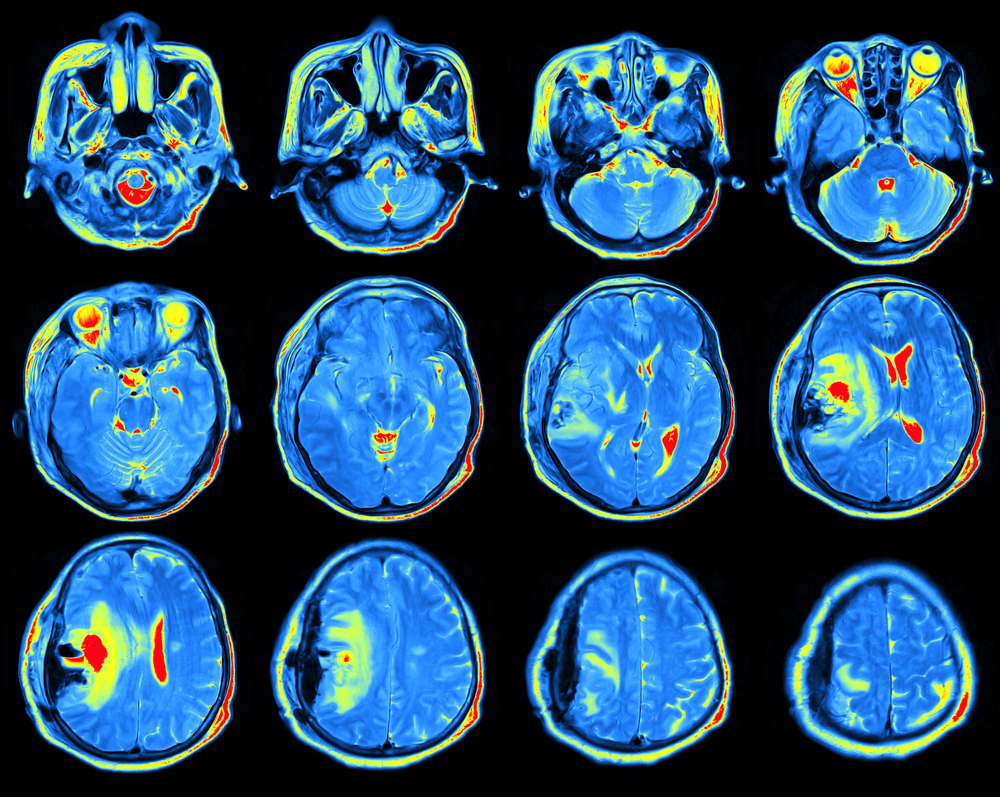
To better predict, study and diagnose small vessel disease in the brain and its role in vascular contributions to cognitive impairment and dementia (VCID), Boston University School of Medicine (BUSM) has been selected to participate in MarkVCID, a consortium designed to accelerate the development of new and existing biomarkers for small vessel VCID.

The five-year program, developed by the National Institutes of Health’s National Institute of Neurological Disorders and Stroke (NINDS), in collaboration with the National Institute on Aging (NIA), includes seven research groups across the country collaborating to develop and validate candidate biomarkers for cerebral small vessel disease. BUSM will receive more than $5 million over the course of this project.

Covert small vessel disease (SVD) of the brain increases the risk of stroke, dementia and death while impairing quality of life by affecting mood and gait. Currently there is no prevention or treatment methods aimed specifically at the disease, beyond controlling for hypertension.

Under the direction of BUSM Principal Investigator Sudha Seshadri, MD, the researchers plan to measure two circulating biomarkers of microglial (cells in the brain and spinal cord) inflammation (sCD-14 and YKL-40) and a marker of astroglial (star shaped brain cells) injury (GFAP) in approximately 17,000 persons enrolled in the Framingham Heart Study as well as four other cohorts that are members of the Cohorts for Heart and Aging Research in Genomic Epidemiology (CHARGE) consortium. They will then assess the additional value of the new biomarkers over previously established clinical, circulating and vascular risk factors.

“The team-based approach taken by the consortium allows us to study candidate biomarkers across different clinical settings at multiple institutions,” said Roderick Corriveau, PhD, program director, NINDS. “Ultimately, we hope to develop a gold standard to identify cerebral small vessel disease early enough to intervene with treatment.”

The second phase of the project is expected to begin in approximately two years and will involve the dissemination of those biomarkers showing the greatest potential to all consortium sites. The goal is to deliver small vessel VCID biomarkers that are ready for phase II and phase III clinical trials.


Related Articles Read More >

Alphabet-spinoff Isomorphic Labs raises $2.1 billion in quest to ‘solve all disease’ with AI-based drug discovery tools
We are still likely years away from a hantavirus vaccine
Study reveals fungal strains can survive sterilization procedures and Martian conditions
Trump administration canceled hantavirus research funding last year
rd newsletter
EXPAND YOUR KNOWLEDGE AND STAY CONNECTED
Get the latest info on technologies, trends, and strategies in Research & Development.

R&D World Digital Issues

Fall 2025 issue

Browse the most current issue of R&D World and back issues in an easy to use high quality format. Clip, share and download with the leading R&D magazine today.

R&D 100 Awards
Research & Development World
  • Subscribe to R&D World Magazine
  • Sign up for R&D World’s newsletter
  • Contact Us
  • About Us
  • Drug Discovery & Development
  • Pharmaceutical Processing
  • Global Funding Forecast

Copyright © 2026 WTWH Media LLC. All Rights Reserved. The material on this site may not be reproduced, distributed, transmitted, cached or otherwise used, except with the prior written permission of WTWH Media
Privacy Policy | Advertising | About Us

Search R&D World

  • R&D World Home
  • Topics
    • Aerospace
    • Automotive
    • Biotech
    • Careers
    • Chemistry
    • Environment
    • Energy
    • Life Science
    • Material Science
    • R&D Management
    • Physics
  • Technology
    • 3D Printing
    • A.I./Robotics
    • Software
    • Battery Technology
    • Controlled Environments
      • Cleanrooms
      • Graphene
      • Lasers
      • Regulations/Standards
      • Sensors
    • Imaging
    • Nanotechnology
    • Scientific Computing
      • Big Data
      • HPC/Supercomputing
      • Informatics
      • Security
    • Semiconductors
  • R&D Market Pulse
  • R&D 100
    • 2025 R&D 100 Award Winners
    • 2025 Professional Award Winners
    • 2025 Special Recognition Winners
    • R&D 100 Awards Event
    • R&D 100 Submissions
    • Winner Archive
  • Resources
    • Research Reports
    • Digital Issues
    • Educational Assets
    • Subscribe
    • Video
    • Webinars
    • Content submission guidelines for R&D World
  • Global Funding Forecast
  • Top Labs
  • Advertise
  • SUBSCRIBE