Research & Development World

  • R&D World Home
  • Topics
    • Aerospace
    • Automotive
    • Biotech
    • Careers
    • Chemistry
    • Environment
    • Energy
    • Life Science
    • Material Science
    • R&D Management
    • Physics
  • Technology
    • 3D Printing
    • A.I./Robotics
    • Software
    • Battery Technology
    • Controlled Environments
      • Cleanrooms
      • Graphene
      • Lasers
      • Regulations/Standards
      • Sensors
    • Imaging
    • Nanotechnology
    • Scientific Computing
      • Big Data
      • HPC/Supercomputing
      • Informatics
      • Security
    • Semiconductors
  • R&D Market Pulse
  • R&D 100
    • 2025 R&D 100 Award Winners
    • 2025 Professional Award Winners
    • 2025 Special Recognition Winners
    • R&D 100 Awards Event
    • R&D 100 Submissions
    • Winner Archive
  • Resources
    • Research Reports
    • Digital Issues
    • Educational Assets
    • R&D Index
    • Subscribe
    • Video
    • Webinars
    • Content submission guidelines for R&D World
  • Global Funding Forecast
  • Top Labs
  • Advertise
  • SUBSCRIBE

Studying Cell Regulator Activity Could Lead to New Treatments

By Kenny Walter | September 6, 2017

Researchers are targeting the most common regulator of cells in the body with an entirely new approach.

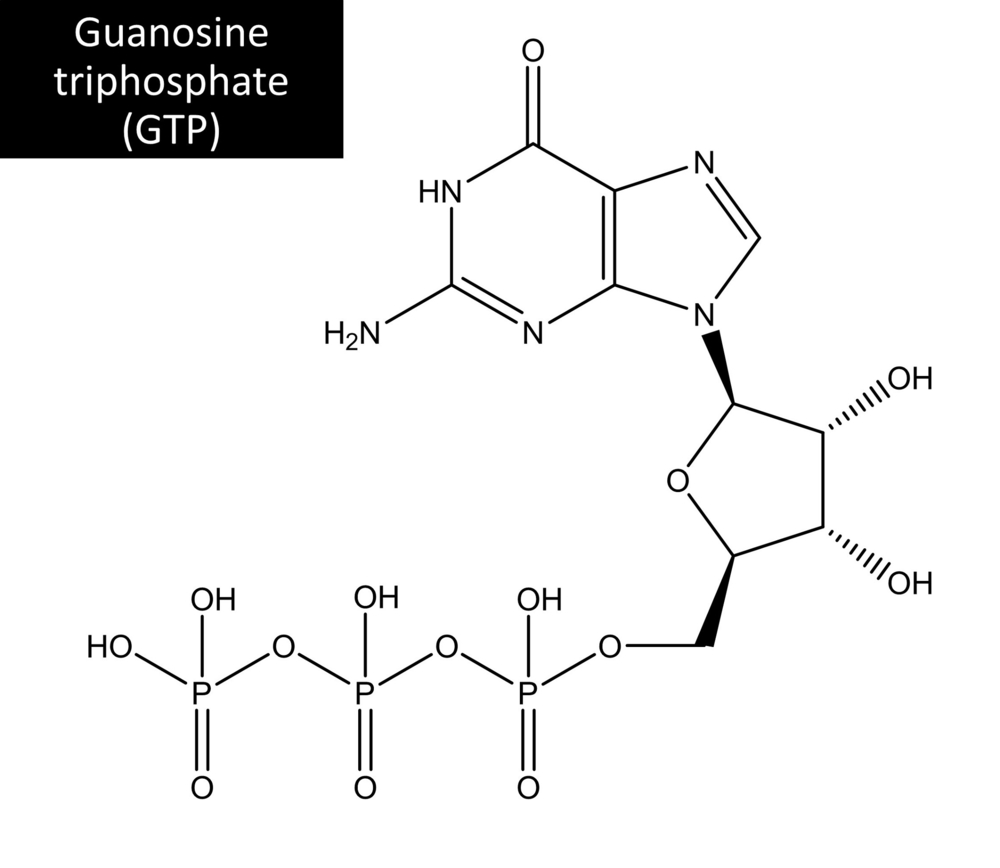
A team from the University of Texas Health Science Center at San Antonio have studied a molecule called guanosine-5’-triphosphate (GTP) that could lead to a better method to screen candidates of anti-cancer compounds.

GTP activates G-proteins—which regulate cell movement, growth, architecture and differentiation, including transformation into cancer cells.

The researchers inserted the molecule into a bacterial G-protein called FeoB and constructed sensors of GTP activity. They now plan on using the sensors in high-throughput screening—a process that will help identify compounds that could reduce GTP levels in target cells.

This new approach could ultimately be used to treat disease.

“You could say we have built a flashlight that now allows us to explore a big room that was previously dark,” Rui Sousa, Ph.D., a professor of biochemistry and structural biology in the Joe R. & Teresa Lozano Long School of Medicine at UT Health San Antonio, said in a statement. “This room is called ‘GTP biology.’

“What will we find when we start exploring with this flashlight? We may find quite a lot because GTP biology could be involved in so many processes and so many disease states.”

The study was published in Nature Methods.   

Related Articles Read More >

Drones help diagnose deadly whale viruses 
Drowning in variants? Mount Sinai tool adds phenotype filter
Oral Wegovy approval charts a new course for blockbuster drug development
Los Alamos’ R&D 100-winning EpiEarth platform helps predict the global outbreaks early
rd newsletter
EXPAND YOUR KNOWLEDGE AND STAY CONNECTED
Get the latest info on technologies, trends, and strategies in Research & Development.
RD 25 Power Index

R&D World Digital Issues

Fall 2025 issue

Browse the most current issue of R&D World and back issues in an easy to use high quality format. Clip, share and download with the leading R&D magazine today.

R&D 100 Awards
Research & Development World
  • Subscribe to R&D World Magazine
  • Sign up for R&D World’s newsletter
  • Contact Us
  • About Us
  • Drug Discovery & Development
  • Pharmaceutical Processing
  • Global Funding Forecast

Copyright © 2026 WTWH Media LLC. All Rights Reserved. The material on this site may not be reproduced, distributed, transmitted, cached or otherwise used, except with the prior written permission of WTWH Media
Privacy Policy | Advertising | About Us

Search R&D World

  • R&D World Home
  • Topics
    • Aerospace
    • Automotive
    • Biotech
    • Careers
    • Chemistry
    • Environment
    • Energy
    • Life Science
    • Material Science
    • R&D Management
    • Physics
  • Technology
    • 3D Printing
    • A.I./Robotics
    • Software
    • Battery Technology
    • Controlled Environments
      • Cleanrooms
      • Graphene
      • Lasers
      • Regulations/Standards
      • Sensors
    • Imaging
    • Nanotechnology
    • Scientific Computing
      • Big Data
      • HPC/Supercomputing
      • Informatics
      • Security
    • Semiconductors
  • R&D Market Pulse
  • R&D 100
    • 2025 R&D 100 Award Winners
    • 2025 Professional Award Winners
    • 2025 Special Recognition Winners
    • R&D 100 Awards Event
    • R&D 100 Submissions
    • Winner Archive
  • Resources
    • Research Reports
    • Digital Issues
    • Educational Assets
    • R&D Index
    • Subscribe
    • Video
    • Webinars
    • Content submission guidelines for R&D World
  • Global Funding Forecast
  • Top Labs
  • Advertise
  • SUBSCRIBE