Research & Development World

  • R&D World Home
  • Topics
    • Aerospace
    • Automotive
    • Biotech
    • Careers
    • Chemistry
    • Environment
    • Energy
    • Life Science
    • Material Science
    • R&D Management
    • Physics
  • Technology
    • 3D Printing
    • A.I./Robotics
    • Software
    • Battery Technology
    • Controlled Environments
      • Cleanrooms
      • Graphene
      • Lasers
      • Regulations/Standards
      • Sensors
    • Imaging
    • Nanotechnology
    • Scientific Computing
      • Big Data
      • HPC/Supercomputing
      • Informatics
      • Security
    • Semiconductors
  • R&D Market Pulse
  • R&D 100
    • 2026 R&D 100 Award Winners
    • 2026 Professional Award Winners
    • 2026 Special Recognition Winners
    • R&D 100 Awards Event
    • R&D 100 Submissions
    • Winner Archive
  • Resources
    • Research Reports
    • Digital Issues
    • Educational Assets
    • Subscribe
    • Video
    • Webinars
    • PharmSci360
    • Content submission guidelines for R&D World
  • Global Funding Forecast
  • Top Labs
  • Advertise
  • SUBSCRIBE

Detecting Blood Clot Risk Biomarkers

By Boston University Medical Center | March 22, 2017

Cancer is one of the hardest medical conditions to overcome, and for those who do so, the battle often does not stop at remission. Many cancers predispose patients to develop blood clots, particularly patients who are diagnosed at a late stage, which often complicates their treatment and reduces survival rates.

These blood clots can become dislodged, and if a clot travels to the lungs, it can cause immediate distress and puts a patient at a high risk of death. In the United States, blood clots affect between 300,000 and 600,000 people each year and approximately 60,000 to 100,000 of those individuals will die, according to the Centers for Disease Control and Prevention.

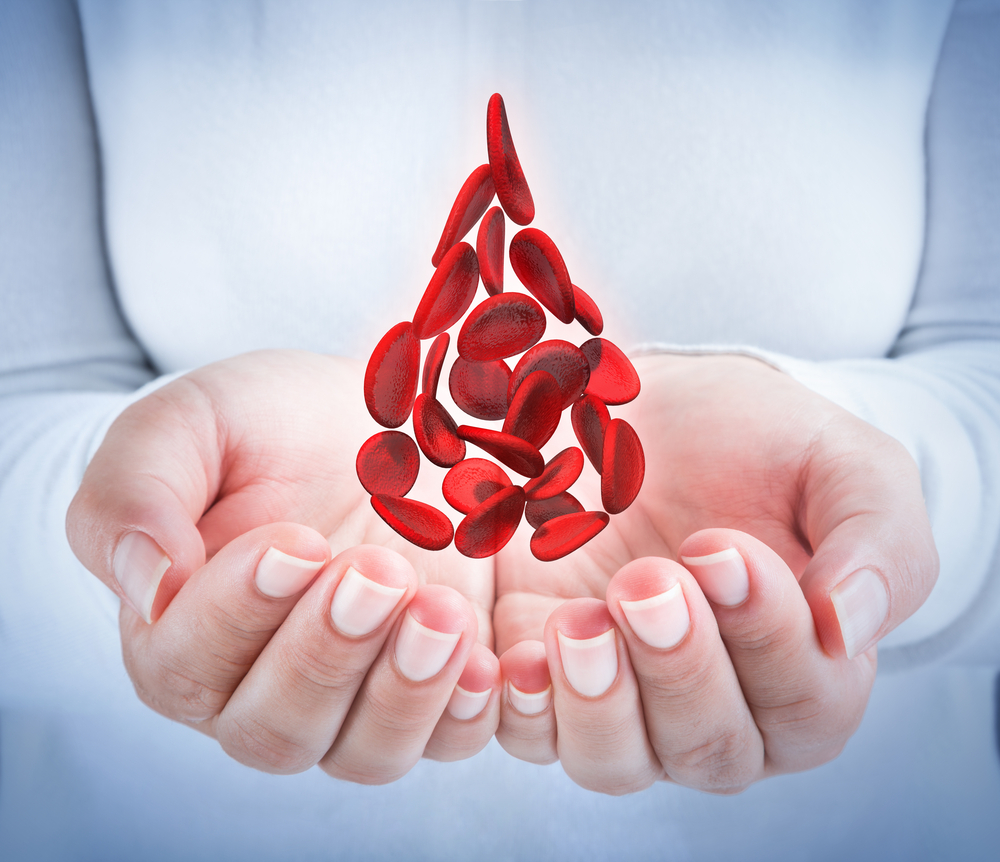
Researchers at Boston Medical Center (BMC) and Boston University School of Medicine (BUSM) aim to increase survival rates among these patients by identifying new and validating existing biomarkers, or substances in the blood, that indicate if a patient is at high risk for developing a clot. Patients at BMC who are newly diagnosed with cancer will be asked if they would like to donate their blood for the study. The researchers will test the blood samples for biomarkers that may indicate whether a person has a high risk for blood clots.

This collection of blood samples will be part of a comprehensive study of thrombosis biomarkers from populations who are currently underrepresented in biobanking projects and clinical research studies. Approximately 59 percent of BMC patients come from underserved populations. Many of BMC’s patients present to the hospital with more advanced disease due to challenging access to health care or cancer screening.

“Identifying and standardizing biomarkers may provide clinicians with important information to improve patient care,” said Chris Andry, MPhil, PhD, vice chair for operations and management and administrative director for pathology and laboratory medicine at BMC, who will lead the study in collaboration with co-investigators Debbie Stearns-Kurosawa, PhD, associate professor of pathology and laboratory medicine and co-director of the Coagulation Research Laboratory (BUSM), and Mark Sloan, MD, a physician in hematology and oncology at BMC and assistant professor of medicine at BUSM.

Additionally, it is challenging for researchers to know if they have accurately measured the biomarkers, taking into account all the variables such as time to assay or temperature changes that may impact how the blood markers are measured. This study will deliberately evaluate these variables to assist with guideline development for hospital laboratories to use when testing these biomarkers.

“Once we see how these biomarkers stand against time, we can determine appropriate timelines for clinical assessments to ensure that they are as accurate as possible in identifying risk,” said Andry, who also is associate professor of pathology and laboratory medicine at BUSM. “This information, in combination with patient education, has the potential to increase survival rates by being able to proactively treat these patients for blood clots.”
Related Articles Read More >

Norstella launches Atlas, a biopharma agentic platform that can ‘train you’
How a Duke-led HPC method brought cell-scale cancer simulation to a single cloud node 
As AI floods drug discovery with designs, Twist uses DNA chips to tackle the wet-lab bottleneck
Purple Glowing Spiral Fractal Background Image, Illustration - Vortex repeating spiral patterns, Symmetrical repeating geometric patterns. Abstract design, black background
Recursion says its Norstella-backed real-time simulation can expand trial eligibility by up to 40%
rd newsletter
EXPAND YOUR KNOWLEDGE AND STAY CONNECTED
Get the latest info on technologies, trends, and strategies in Research & Development.

R&D World Digital Issues

Fall 2025 issue

Browse the most current issue of R&D World and back issues in an easy to use high quality format. Clip, share and download with the leading R&D magazine today.

R&D 100 Awards
Research & Development World
  • Subscribe to R&D World Magazine
  • Sign up for R&D World’s newsletter
  • Contact Us
  • About Us
  • Drug Discovery & Development
  • Pharmaceutical Processing
  • Global Funding Forecast

Copyright © 2026 Arrowfly LLC. All Rights Reserved. The material on this site may not be reproduced, distributed, transmitted, cached or otherwise used, except with the prior written permission of Arrowfly
Privacy Policy | Advertising | About Us

Search R&D World

  • R&D World Home
  • Topics
    • Aerospace
    • Automotive
    • Biotech
    • Careers
    • Chemistry
    • Environment
    • Energy
    • Life Science
    • Material Science
    • R&D Management
    • Physics
  • Technology
    • 3D Printing
    • A.I./Robotics
    • Software
    • Battery Technology
    • Controlled Environments
      • Cleanrooms
      • Graphene
      • Lasers
      • Regulations/Standards
      • Sensors
    • Imaging
    • Nanotechnology
    • Scientific Computing
      • Big Data
      • HPC/Supercomputing
      • Informatics
      • Security
    • Semiconductors
  • R&D Market Pulse
  • R&D 100
    • 2026 R&D 100 Award Winners
    • 2026 Professional Award Winners
    • 2026 Special Recognition Winners
    • R&D 100 Awards Event
    • R&D 100 Submissions
    • Winner Archive
  • Resources
    • Research Reports
    • Digital Issues
    • Educational Assets
    • Subscribe
    • Video
    • Webinars
    • PharmSci360
    • Content submission guidelines for R&D World
  • Global Funding Forecast
  • Top Labs
  • Advertise
  • SUBSCRIBE