Research & Development World

  • R&D World Home
  • Topics
    • Aerospace
    • Automotive
    • Biotech
    • Careers
    • Chemistry
    • Environment
    • Energy
    • Life Science
    • Material Science
    • R&D Management
    • Physics
  • Technology
    • 3D Printing
    • A.I./Robotics
    • Software
    • Battery Technology
    • Controlled Environments
      • Cleanrooms
      • Graphene
      • Lasers
      • Regulations/Standards
      • Sensors
    • Imaging
    • Nanotechnology
    • Scientific Computing
      • Big Data
      • HPC/Supercomputing
      • Informatics
      • Security
    • Semiconductors
  • R&D Market Pulse
  • R&D 100
    • 2025 R&D 100 Award Winners
    • 2025 Professional Award Winners
    • 2025 Special Recognition Winners
    • R&D 100 Awards Event
    • R&D 100 Submissions
    • Winner Archive
  • Resources
    • Research Reports
    • Digital Issues
    • Educational Assets
    • R&D Index
    • Subscribe
    • Video
    • Webinars
    • Content submission guidelines for R&D World
  • Global Funding Forecast
  • Top Labs
  • Advertise
  • SUBSCRIBE

Space Fever: Weightlessness Increases Astronauts’ Body Temperature

By Charité - Universitätsmedizin Berlin | January 8, 2018

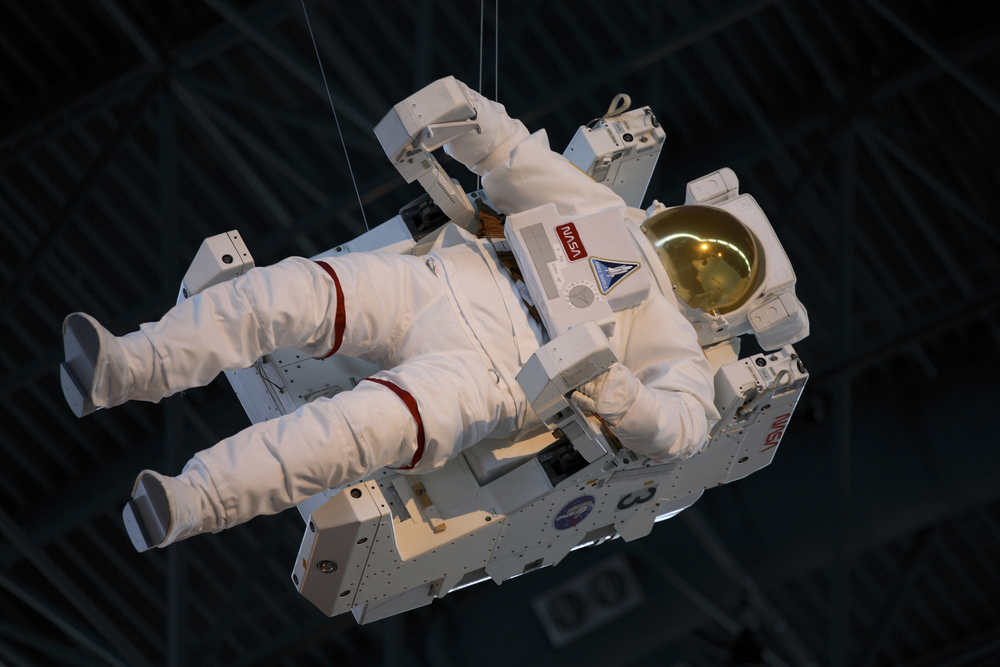
Astronauts float weightlessly through space, and the condition of weightlessness is something many would love to experience. However, in addition to producing both physical and psychological stress, a trip into space affects our core body temperature. Researchers from Charité – Universitätsmedizin Berlin have observed that astronauts run hot when exposed to weightlessness, and that, even at rest, their body temperature is approximately 1°C above the normal value of 37°C (98.6°F).

Results from this study have been published in the journal Scientific Reports.

The researchers found that the astronauts experienced a type of persistent fever; during exercise, the astronauts’ body temperature often exceeded 40°C (104°F). The team of researchers, led by Prof. Dr. Hanns-Christian Gunga (Deputy Director of the Institute of Physiology), used forehead sensors to measure the core body temperature (the temperature of the internal body and brain) of astronauts on the International Space Station. The researchers found that the astronauts’ core body temperature did not increase suddenly, but that this increase in temperature developed gradually over 2.5 months, eventually reaching approximately 38°C (100.4°F). “We developed a new technology which combines a skin surface temperature sensor with a heat flux sensor, and which is capable of measuring even minor changes in arterial blood temperature,” explains Prof. Gunga. Using this technology, the researchers measured the astronauts’ core body temperature before, during and after their stays on the ISS, taking readings both at rest and during exercise. “Under weightless conditions, our bodies find it extremely difficult to eliminate excess heat. The transfer of heat between the body and its environment becomes significantly more challenging in these conditions,” explains the space medicine specialist. In space, sweat evaporates more slowly than on Earth, which explains why astronauts were found to overheat particularly quickly during exercise tests performed on the ISS.

Excessive fluctuations in core body temperature can impair both physical and cognitive performance, and can even be life-threatening. It is hoped that these new findings will have positive implications for the health and well-being of astronauts during future long-term space missions. Prof. Gunga adds: “Our results also raise questions about the evolution of our optimum core body temperature: how it has already adapted, and how it will continue to adapt to climate changes on Earth.”

Related Articles Read More >

Scientists find farthest galaxy ever detected
NASA tests AI route planning for Perseverance rover drives on Mars
Dec 8, 2019 Hawthorne / Los Angeles / CA / USA - close up of SpaceX (Space Exploration Technologies Corp.) sign at their headquarters; SpaceX is a private American aerospace manufacturer
The 12-year quest behind the SpaceX-xAI merger: From a 2012 warning about AI destroying Mars colonies to a $1.25 trillion deal
Researchers discover new form of water
rd newsletter
EXPAND YOUR KNOWLEDGE AND STAY CONNECTED
Get the latest info on technologies, trends, and strategies in Research & Development.
RD 25 Power Index

R&D World Digital Issues

Fall 2025 issue

Browse the most current issue of R&D World and back issues in an easy to use high quality format. Clip, share and download with the leading R&D magazine today.

R&D 100 Awards
Research & Development World
  • Subscribe to R&D World Magazine
  • Sign up for R&D World’s newsletter
  • Contact Us
  • About Us
  • Drug Discovery & Development
  • Pharmaceutical Processing
  • Global Funding Forecast

Copyright © 2026 WTWH Media LLC. All Rights Reserved. The material on this site may not be reproduced, distributed, transmitted, cached or otherwise used, except with the prior written permission of WTWH Media
Privacy Policy | Advertising | About Us

Search R&D World

  • R&D World Home
  • Topics
    • Aerospace
    • Automotive
    • Biotech
    • Careers
    • Chemistry
    • Environment
    • Energy
    • Life Science
    • Material Science
    • R&D Management
    • Physics
  • Technology
    • 3D Printing
    • A.I./Robotics
    • Software
    • Battery Technology
    • Controlled Environments
      • Cleanrooms
      • Graphene
      • Lasers
      • Regulations/Standards
      • Sensors
    • Imaging
    • Nanotechnology
    • Scientific Computing
      • Big Data
      • HPC/Supercomputing
      • Informatics
      • Security
    • Semiconductors
  • R&D Market Pulse
  • R&D 100
    • 2025 R&D 100 Award Winners
    • 2025 Professional Award Winners
    • 2025 Special Recognition Winners
    • R&D 100 Awards Event
    • R&D 100 Submissions
    • Winner Archive
  • Resources
    • Research Reports
    • Digital Issues
    • Educational Assets
    • R&D Index
    • Subscribe
    • Video
    • Webinars
    • Content submission guidelines for R&D World
  • Global Funding Forecast
  • Top Labs
  • Advertise
  • SUBSCRIBE