Research & Development World

  • R&D World Home
  • Topics
    • Aerospace
    • Automotive
    • Biotech
    • Careers
    • Chemistry
    • Environment
    • Energy
    • Life Science
    • Material Science
    • R&D Management
    • Physics
  • Technology
    • 3D Printing
    • A.I./Robotics
    • Software
    • Battery Technology
    • Controlled Environments
      • Cleanrooms
      • Graphene
      • Lasers
      • Regulations/Standards
      • Sensors
    • Imaging
    • Nanotechnology
    • Scientific Computing
      • Big Data
      • HPC/Supercomputing
      • Informatics
      • Security
    • Semiconductors
  • R&D Market Pulse
  • R&D 100
    • 2025 R&D 100 Award Winners
    • 2025 Professional Award Winners
    • 2025 Special Recognition Winners
    • R&D 100 Awards Event
    • R&D 100 Submissions
    • Winner Archive
  • Resources
    • Research Reports
    • Digital Issues
    • Educational Assets
    • R&D Index
    • Subscribe
    • Video
    • Webinars
    • Content submission guidelines for R&D World
  • Global Funding Forecast
  • Top Labs
  • Advertise
  • SUBSCRIBE

Breakthrough in Understanding Parkinson’s Disease

By University of Queensland | August 29, 2016

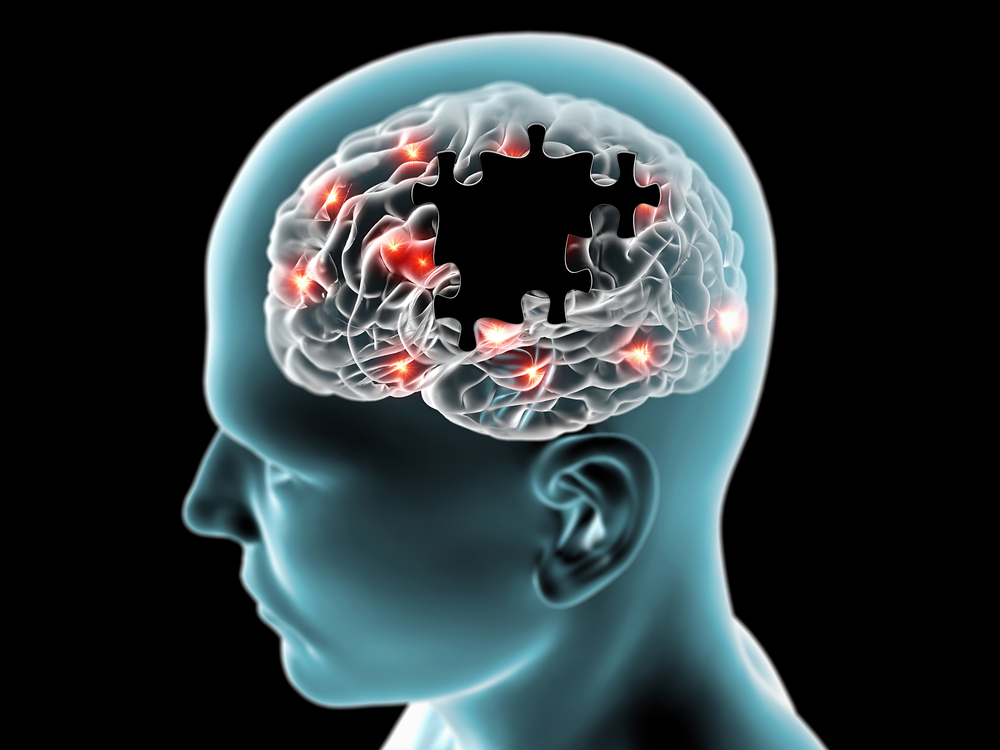
Research from The University of Queensland could lead to a new treatment for Parkinson’s disease, with future potential applications to nearly 50 other disorders.

In Parkinson’s disease – which affects about eight million people worldwide – vital nerve cells (neurons) in the brain malfunction or die.

Researchers from UQ’s Institute for Molecular Bioscience examined a genetic mutation that interrupts the traffic of materials within neurons and allows waste products to accumulate, causing Parkinson’s disease.

Associate Professor Rohan Teasdale said previous studies showed that dysfunctions in retromer (a protein machine responsible for transporting biological material within a cell) were linked to Parkinson’s disease, but the biological reasons behind this were unclear until now.

“It has been identified that one of these proteins (Vps35) is mutated in some Parkinson’s patients, which creates congestion in the transport network inside cells,” Associate Professor Teasdale said.

“As a result, it appears that the workers responsible for recycling material within these neurons are not getting to their correct work place and without their assistance the cells within the brain cannot rid themselves of waste materials, which increases the likelihood of cell death.

“It’s this cell death that then causes the symptoms of Parkinson’s disease, such as tremors and muscle stiffness,” he said.

Associate Professor Teasdale said the research was in very early stages, but the team’s discovery had potential to improve treatments that now address symptoms rather than the cause of the disease.

“As part of this study we expanded the transport network within these cells which reinstated traffic flow so the neurons could rid themselves of waste,” he said.

“We believe that expanding the cells’ recycling capacity could halt or drastically slow the progression of the disease.”

Associate Professor Teasdale said the same treatment principle could be applied in nearly 50 other disorders that are caused by the build-up of waste materials within cells.

These diseases, known as lysosomal diseases, affect different parts of the body, including the skeleton, brain, skin, heart, and central nervous system, and are especially prevalent in young children.


Related Articles Read More >

New study finds gene that can help repair the heart after failure
Verily integrates NVIDIA AI tools into precision health platform
Are AI agents skipping the trough? Early evidence from life sciences
OpenFold3 debuts as Apache-licensed protein co-folding model, with Apheris bringing it into pharma IT
rd newsletter
EXPAND YOUR KNOWLEDGE AND STAY CONNECTED
Get the latest info on technologies, trends, and strategies in Research & Development.
RD 25 Power Index

R&D World Digital Issues

Fall 2024 issue

Browse the most current issue of R&D World and back issues in an easy to use high quality format. Clip, share and download with the leading R&D magazine today.

Research & Development World
  • Subscribe to R&D World Magazine
  • Sign up for R&D World’s newsletter
  • Contact Us
  • About Us
  • Drug Discovery & Development
  • Pharmaceutical Processing
  • Global Funding Forecast

Copyright © 2025 WTWH Media LLC. All Rights Reserved. The material on this site may not be reproduced, distributed, transmitted, cached or otherwise used, except with the prior written permission of WTWH Media
Privacy Policy | Advertising | About Us

Search R&D World

  • R&D World Home
  • Topics
    • Aerospace
    • Automotive
    • Biotech
    • Careers
    • Chemistry
    • Environment
    • Energy
    • Life Science
    • Material Science
    • R&D Management
    • Physics
  • Technology
    • 3D Printing
    • A.I./Robotics
    • Software
    • Battery Technology
    • Controlled Environments
      • Cleanrooms
      • Graphene
      • Lasers
      • Regulations/Standards
      • Sensors
    • Imaging
    • Nanotechnology
    • Scientific Computing
      • Big Data
      • HPC/Supercomputing
      • Informatics
      • Security
    • Semiconductors
  • R&D Market Pulse
  • R&D 100
    • 2025 R&D 100 Award Winners
    • 2025 Professional Award Winners
    • 2025 Special Recognition Winners
    • R&D 100 Awards Event
    • R&D 100 Submissions
    • Winner Archive
  • Resources
    • Research Reports
    • Digital Issues
    • Educational Assets
    • R&D Index
    • Subscribe
    • Video
    • Webinars
    • Content submission guidelines for R&D World
  • Global Funding Forecast
  • Top Labs
  • Advertise
  • SUBSCRIBE