Research & Development World

  • R&D World Home
  • Topics
    • Aerospace
    • Automotive
    • Biotech
    • Careers
    • Chemistry
    • Environment
    • Energy
    • Life Science
    • Material Science
    • R&D Management
    • Physics
  • Technology
    • 3D Printing
    • A.I./Robotics
    • Software
    • Battery Technology
    • Controlled Environments
      • Cleanrooms
      • Graphene
      • Lasers
      • Regulations/Standards
      • Sensors
    • Imaging
    • Nanotechnology
    • Scientific Computing
      • Big Data
      • HPC/Supercomputing
      • Informatics
      • Security
    • Semiconductors
  • R&D Market Pulse
  • R&D 100
    • 2025 R&D 100 Award Winners
    • 2025 Professional Award Winners
    • 2025 Special Recognition Winners
    • R&D 100 Awards Event
    • R&D 100 Submissions
    • Winner Archive
  • Resources
    • Research Reports
    • Digital Issues
    • Educational Assets
    • R&D Index
    • Subscribe
    • Video
    • Webinars
    • Content submission guidelines for R&D World
  • Global Funding Forecast
  • Top Labs
  • Advertise
  • SUBSCRIBE

Electronic Nose Smells Pesticides, Nerve Gas

By KU Leuven | July 6, 2016

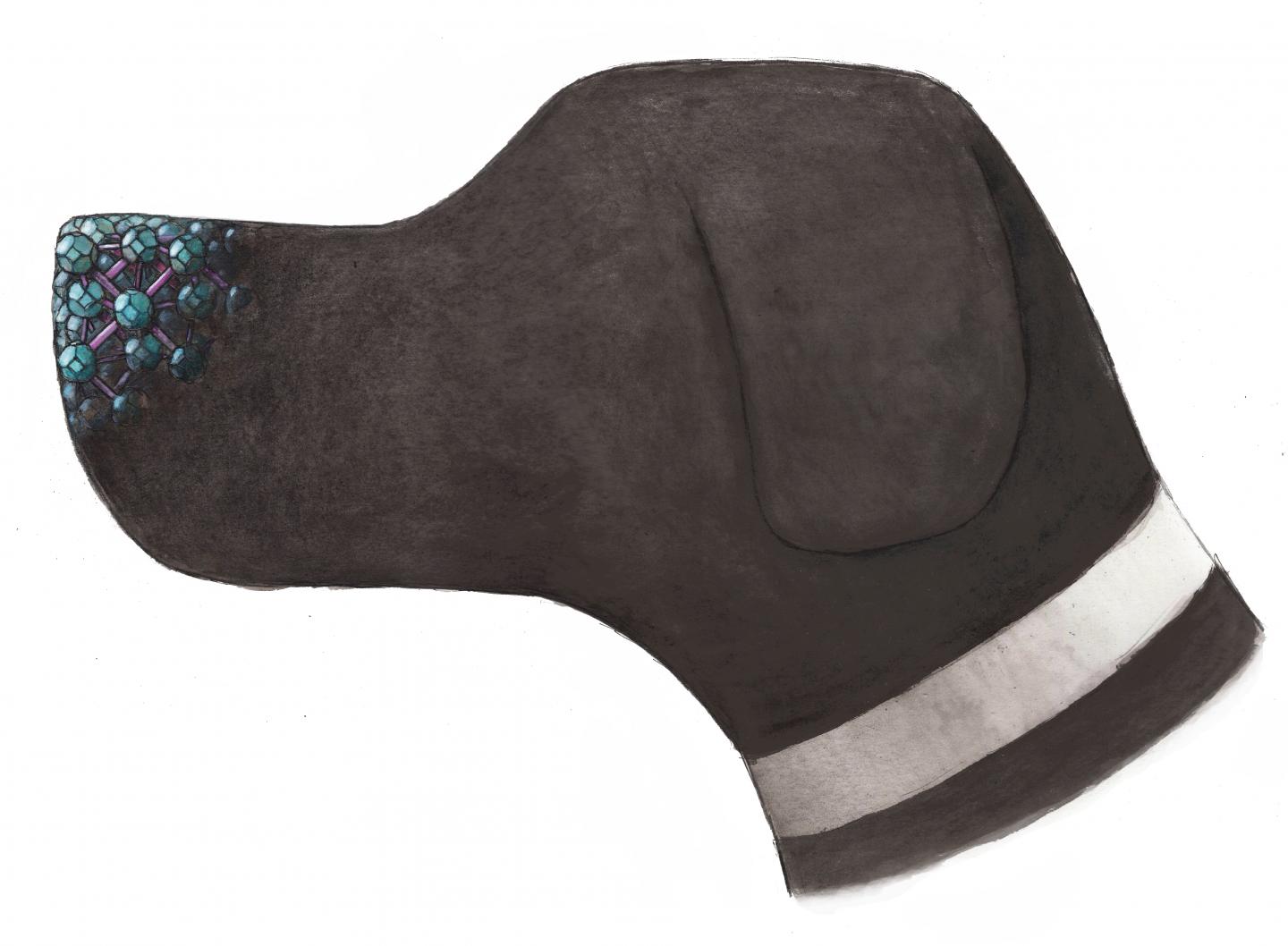
Detecting pesticides and nerve gas in very low concentrations. An international team of researchers led by Ivo Stassen and Rob Ameloot from KU Leuven, Belgium, have made it possible. Source: © KU Leuven – Joris Snaet

Detecting pesticides and nerve gas in very low concentrations. An international team of researchers led by Ivo Stassen and Rob Ameloot from KU Leuven, Belgium, have made it possible.

The best-known electronic nose is the breathalyser. As drivers breathe into the device, a chemical sensor measures the amount of alcohol in their breath. This chemical reaction is then converted into an electronic signal, allowing the police officer to read off the result. Alcohol is easy to detect, because the chemical reaction is specific and the concentration of the measured gas is fairly high. But many other gases are complex mixtures of molecules in very low concentrations. Building electronic noses to detect them is thus quite a challenge.

Researchers from KU Leuven have now built a very sensitive electronic nose with metal-organic frameworks (MOFs). “MOFs are like microscopic sponges,” postdoctoral researcher Ivo Stassen explains. “They can absorb quite a lot of gas into their minuscule pores.”

“We created a MOF that absorbs the phosphonates found in pesticides and nerve gases. This means you can use it to find traces of chemical weapons such as sarin or to identify the residue of pesticides on food. This MOF is the most sensitive gas sensor to date for these dangerous substances. Our measurements were conducted in cooperation with imec, the Leuven-based nanotechnology research centre. The concentrations we’re dealing with are extremely low: parts per billion – a drop of water in an Olympic swimming pool – and parts per trillion.”

The chemical sensor can easily be integrated into existing electronic devices, Professor Rob Ameloot adds. “You can apply the MOF as a thin film over the surface of, for instance, an electric circuit. Therefore, it’s fairly easy to equip a smartphone with a gas sensor for pesticides and nerve gas.”

“Further research will allow us to examine other applications as well,” Professor Ameloot continues. “MOFs can measure very low concentrations, so we could use them to screen someone’s breath for diseases such as lung cancer and MS in an early stage. Or we could use the signature scent of a product to find out whether food has gone bad or to distinguish imitation wine from the original. This technology, in other words, offers a wide range of perspectives.”

Related Articles Read More >

Chemistry Nobel goes to ‘molecular architecture’ with spaces big enough to trap gases
ORNL named on 20 R&D 100 Awards, including carbon-capture and AM tools
2025 R&D Technician of the Year: Dow’s Richard Tapper pushes flame-retardant limits to curb real-world fire risks
Researchers synthesize first Berkelium-containing molecule
rd newsletter
EXPAND YOUR KNOWLEDGE AND STAY CONNECTED
Get the latest info on technologies, trends, and strategies in Research & Development.
RD 25 Power Index

R&D World Digital Issues

Fall 2025 issue

Browse the most current issue of R&D World and back issues in an easy to use high quality format. Clip, share and download with the leading R&D magazine today.

R&D 100 Awards
Research & Development World
  • Subscribe to R&D World Magazine
  • Sign up for R&D World’s newsletter
  • Contact Us
  • About Us
  • Drug Discovery & Development
  • Pharmaceutical Processing
  • Global Funding Forecast

Copyright © 2025 WTWH Media LLC. All Rights Reserved. The material on this site may not be reproduced, distributed, transmitted, cached or otherwise used, except with the prior written permission of WTWH Media
Privacy Policy | Advertising | About Us

Search R&D World

  • R&D World Home
  • Topics
    • Aerospace
    • Automotive
    • Biotech
    • Careers
    • Chemistry
    • Environment
    • Energy
    • Life Science
    • Material Science
    • R&D Management
    • Physics
  • Technology
    • 3D Printing
    • A.I./Robotics
    • Software
    • Battery Technology
    • Controlled Environments
      • Cleanrooms
      • Graphene
      • Lasers
      • Regulations/Standards
      • Sensors
    • Imaging
    • Nanotechnology
    • Scientific Computing
      • Big Data
      • HPC/Supercomputing
      • Informatics
      • Security
    • Semiconductors
  • R&D Market Pulse
  • R&D 100
    • 2025 R&D 100 Award Winners
    • 2025 Professional Award Winners
    • 2025 Special Recognition Winners
    • R&D 100 Awards Event
    • R&D 100 Submissions
    • Winner Archive
  • Resources
    • Research Reports
    • Digital Issues
    • Educational Assets
    • R&D Index
    • Subscribe
    • Video
    • Webinars
    • Content submission guidelines for R&D World
  • Global Funding Forecast
  • Top Labs
  • Advertise
  • SUBSCRIBE