Research & Development World

  • R&D World Home
  • Topics
    • Aerospace
    • Automotive
    • Biotech
    • Careers
    • Chemistry
    • Environment
    • Energy
    • Life Science
    • Material Science
    • R&D Management
    • Physics
  • Technology
    • 3D Printing
    • A.I./Robotics
    • Software
    • Battery Technology
    • Controlled Environments
      • Cleanrooms
      • Graphene
      • Lasers
      • Regulations/Standards
      • Sensors
    • Imaging
    • Nanotechnology
    • Scientific Computing
      • Big Data
      • HPC/Supercomputing
      • Informatics
      • Security
    • Semiconductors
  • R&D Market Pulse
  • R&D 100
    • 2025 R&D 100 Award Winners
    • 2025 Professional Award Winners
    • 2025 Special Recognition Winners
    • R&D 100 Awards Event
    • R&D 100 Submissions
    • Winner Archive
  • Resources
    • Research Reports
    • Digital Issues
    • Educational Assets
    • R&D Index
    • Subscribe
    • Video
    • Webinars
    • Content submission guidelines for R&D World
  • Global Funding Forecast
  • Top Labs
  • Advertise
  • SUBSCRIBE

Newly Discovered Coffee Genome Sequence Will Result in Better Bean

By Kenny Walter | January 13, 2017

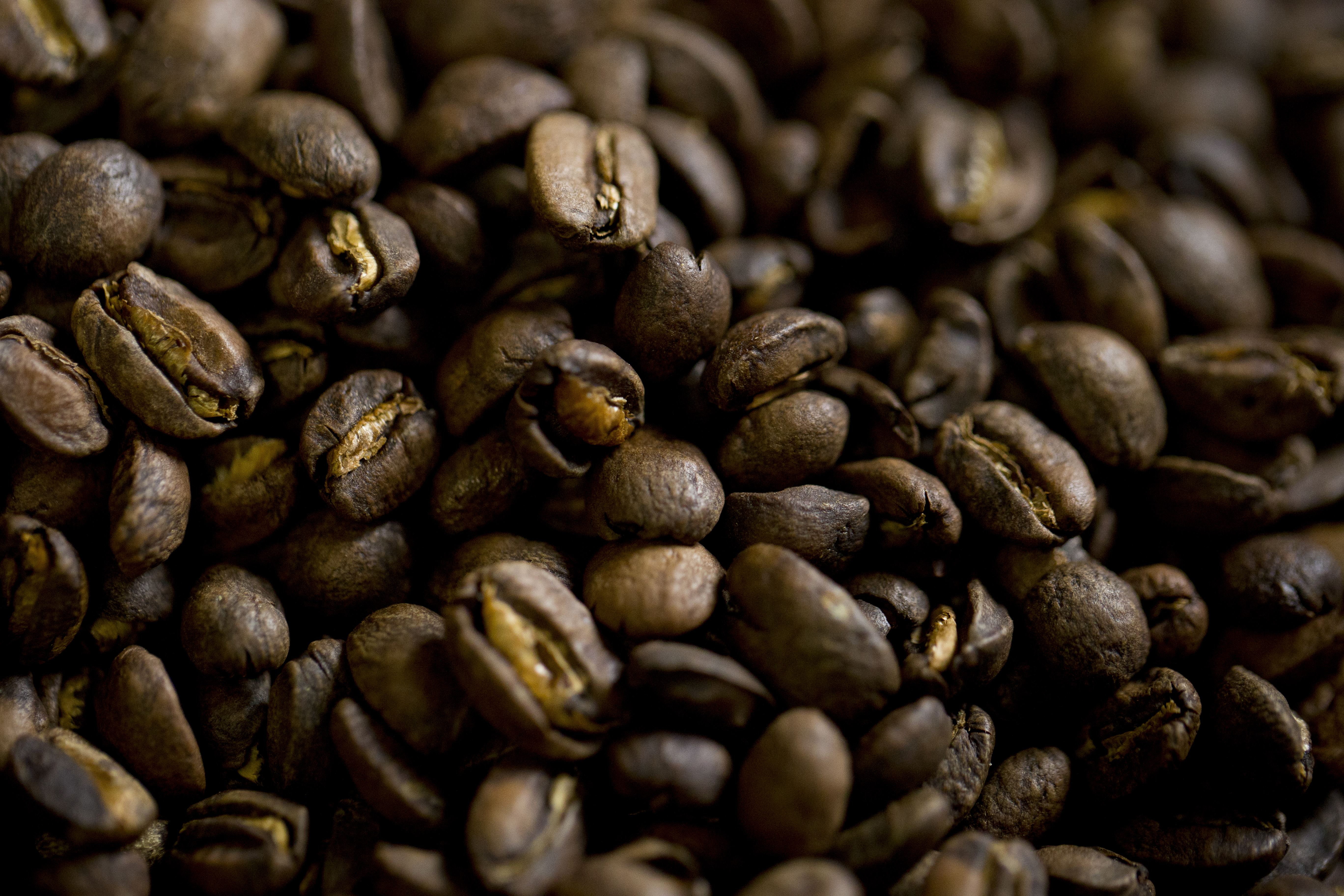
For the first time ever researchers have discovered the genome sequence for Coffea arabica, the species responsible for 70 percent of the global coffee production.

Researchers at the University of California, Davis has released the genome sequencing of the estimated 70,830 predicted genes that can be used by scientists and plant breeders around the world to grow coffee in the emerging specialty-coffee industry.

Juan Medrano, a geneticist in the UC Davis College of Agricultural and Environmental Sciences and co-researcher on the sequencing effort, explained what the discovery may lead to.

“This new genome sequence for Coffea arabica contains information crucial for developing high-quality, disease-resistant coffee varieties that can adapt to the climate changes that are expected to threaten global coffee production in the next 30 years,” Medrano said in a statement.

“We hope that the C. arabica sequence will eventually benefit everyone involved with coffee—from coffee farmers, whose livelihoods are threatened by devastating diseases like coffee leaf rust, to coffee processors and consumers around the world.”

The discovery, which was based on a combination of the latest technologies for genome sequencing and genome assembly, may be particularly beneficial in California, the first state in the continental U.S. to grow coffee plants.

The discovery comes shortly after another team of researchers elsewhere was able to sequence the genome of Coffea canephora—robusta coffee used for making coffee blends and instant coffee.

C. Arabica is a hybrid cross of robusta coffee and the closely related C. Eugeniodes.

Coffee is primarily grown in a relatively small geographic belt that extends no more than 25 degrees north or south of the equator. However, Jay Ruskey, California-based farmer was to grow commercial coffee plants in the continental U.S.

The UC Davis researchers were able to work with Ruskey in collecting DNA and RNA samples from different tissues and development stages of 23 Geisha coffee trees growing at Ruskey’s farm just north of Santa Barbara.

The researchers estimated that UCG-17 Geisha—one of the trees used for developing the genome sequence—is made up of 1.19 billion base pairs, about a third that of the human genome.

They will now focus on identifying genes and molecular pathways associated with coffee quality, which may provide a better understanding of the flavor profiles of Geisha coffee.

The research team also has plans to study the sequenced samples from 22 other Geisha trees to learn about the genetic variation within that variety and among the 13 other C. Arabica varieties, which can be used to develop plants that can resist disease and cope with other environmental stresses.

The genome sequencing can be viewed at Phytozome.net, a public database for comparative plant genomics coordinated by the U.S. Department of Energy’s Joint Genome Institute.

The sequencing was conducted through a collaboration between Medrano, plant scientists Allen Van Deynze and Dario Cantu and postdoctoral research scholar Amanda Hulse-Kemp, all from UC Davis.

Funding for the sequencing project was provided by the Suntory group, an international food and beverage company based in Tokyo.
Related Articles Read More >

R&D 100 winner: How one startup is eliminating the century-old ‘dirty step’ in rare earth alloy manufacturing
AmazonFACE: Simulating the carbon future of the Amazon
R&D 100 winners predict disease risk on a continental scale
6 R&D advances this week: a quantum computer in space and a record-breaking lightning bolt
rd newsletter
EXPAND YOUR KNOWLEDGE AND STAY CONNECTED
Get the latest info on technologies, trends, and strategies in Research & Development.
RD 25 Power Index

R&D World Digital Issues

Fall 2025 issue

Browse the most current issue of R&D World and back issues in an easy to use high quality format. Clip, share and download with the leading R&D magazine today.

Research & Development World
  • Subscribe to R&D World Magazine
  • Sign up for R&D World’s newsletter
  • Contact Us
  • About Us
  • Drug Discovery & Development
  • Pharmaceutical Processing
  • Global Funding Forecast

Copyright © 2025 WTWH Media LLC. All Rights Reserved. The material on this site may not be reproduced, distributed, transmitted, cached or otherwise used, except with the prior written permission of WTWH Media
Privacy Policy | Advertising | About Us

Search R&D World

  • R&D World Home
  • Topics
    • Aerospace
    • Automotive
    • Biotech
    • Careers
    • Chemistry
    • Environment
    • Energy
    • Life Science
    • Material Science
    • R&D Management
    • Physics
  • Technology
    • 3D Printing
    • A.I./Robotics
    • Software
    • Battery Technology
    • Controlled Environments
      • Cleanrooms
      • Graphene
      • Lasers
      • Regulations/Standards
      • Sensors
    • Imaging
    • Nanotechnology
    • Scientific Computing
      • Big Data
      • HPC/Supercomputing
      • Informatics
      • Security
    • Semiconductors
  • R&D Market Pulse
  • R&D 100
    • 2025 R&D 100 Award Winners
    • 2025 Professional Award Winners
    • 2025 Special Recognition Winners
    • R&D 100 Awards Event
    • R&D 100 Submissions
    • Winner Archive
  • Resources
    • Research Reports
    • Digital Issues
    • Educational Assets
    • R&D Index
    • Subscribe
    • Video
    • Webinars
    • Content submission guidelines for R&D World
  • Global Funding Forecast
  • Top Labs
  • Advertise
  • SUBSCRIBE