Scleroderma with internal organ involvement is a debilitating and lethal autoimmune disorder with few effective treatments. But a study led by Duke Health researchers has found new cause for optimism using an aggressive stem cell transplant regimen.
The researchers, publishing in the Jan. 4 issue of the New England Journal of Medicine, found significantly improved survival among patients with a severe form of scleroderma who underwent chemotherapy, whole body radiation and a stem cell transplant. Patients also had less need for immune suppressant drugs after transplant.
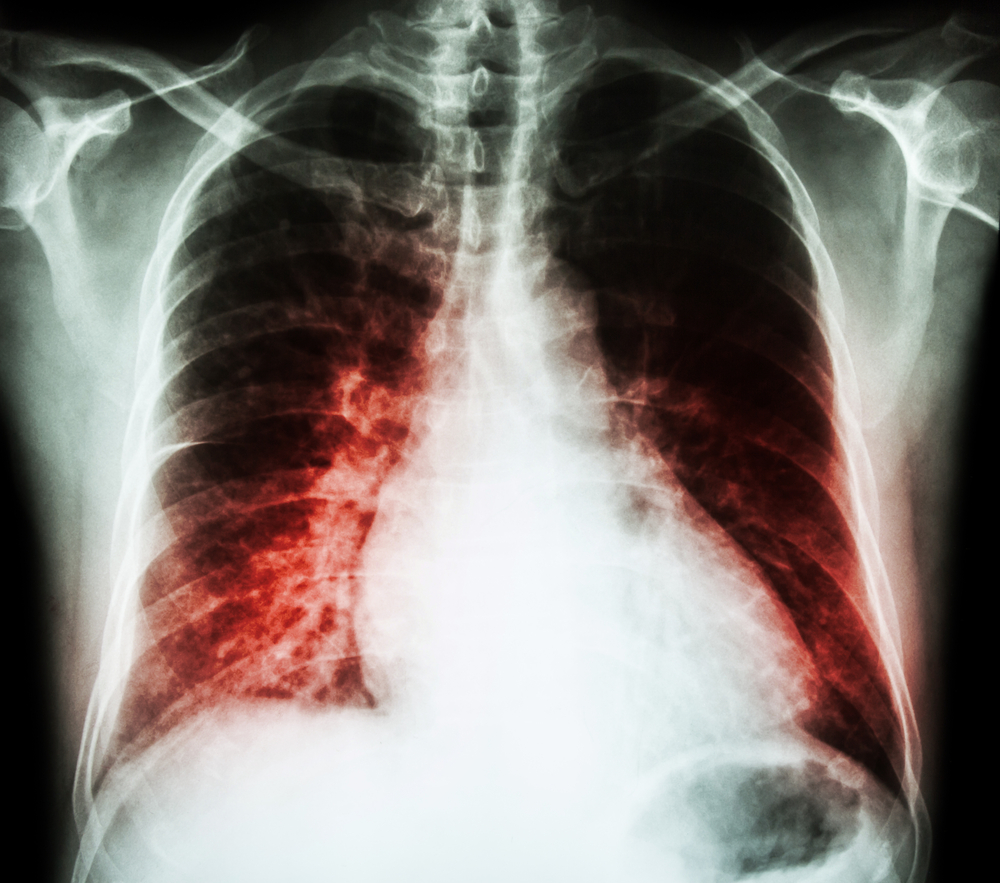
“Scleroderma hardens the skin and connective tissues and in its severe form leads to fatal organ failure, most often the lungs” said lead author Keith Sullivan, M.D., James B. Wyngaarden Professor of Medicine and Cellular Therapy at Duke. “In these severe cases, conventional drug therapies are not very effective long-term, so new approaches are a priority.”
Earlier publications suggested that stem cell transplant might be a viable treatment, using less intensive treatment without irradiation. These studies showed that reduced-intensity stem cell transplant improved survival, but the disease often returned and patient safety remained a concern. As a result, conventional immunosuppressive drug treatment remained the standard of care in the U.S.
In the current study, Sullivan and colleagues developed a transplant conditioning regimen that included high-dose chemotherapy plus whole-body radiation to fully wipe out the patient’s defective immune-forming system, with the aim of improving survival and diminishing the effects of the disease. They limited radiation by shielding patients’ kidneys and lungs while repopulating the blood and immune system.
Thirty-six scleroderma patients were randomly assigned to receive transplant. The regimen was designed to destroy the patients’ defective autoreactive immune system and replace it with their own blood stem cells that had been removed and treated to eliminate self-reacting lymphocytes.
For comparison, 39 additional patients were randomized to receive 12 monthly intravenous injections of cyclophosphamide, a conventional immune suppressing treatment for severe scleroderma.
The study was conducted over a 10-year period at 26 universities in the United States and Canada. The primary study endpoint at 54 months was a global rank composite score based on a hierarchy of scleroderma features including survival, organ function, quality of life and skin hardening. Results showed significant benefit with transplant: 67 percent of 1,404 pairwise comparisons favored transplant vs. 33 percent favoring cyclophosphamide.
By study endpoint, fewer transplant recipients resumed use of anti-scleroderma drugs (9 percent vs. 44 percent of controls). Overall survival at 72 months was 86 percent after transplant vs. 51 percent after cyclophosphamide — a highly significant benefit.
“These results show that individuals with poor-prognosis scleroderma can improve and live longer and that these advances appear durable,” Sullivan said.
Treatment-related mortality at the study endpoint of 54 months was 3 percent among transplant recipients while cyclophosphamide recipients had no treatment-related deaths. In the short term, transplant recipients also had more serious side effects, such as low blood counts and infections.
“Patients and their doctors should carefully weigh the pros and cons of intensive treatment with stem cell transplant, but this may hopefully set a new standard in this otherwise devastating autoimmune disease,” Sullivan said. “These advances show the value of medical research and clinical trials in finding better therapies to advance health.”