Research & Development World

  • R&D World Home
  • Topics
    • Aerospace
    • Automotive
    • Biotech
    • Careers
    • Chemistry
    • Environment
    • Energy
    • Life Science
    • Material Science
    • R&D Management
    • Physics
  • Technology
    • 3D Printing
    • A.I./Robotics
    • Software
    • Battery Technology
    • Controlled Environments
      • Cleanrooms
      • Graphene
      • Lasers
      • Regulations/Standards
      • Sensors
    • Imaging
    • Nanotechnology
    • Scientific Computing
      • Big Data
      • HPC/Supercomputing
      • Informatics
      • Security
    • Semiconductors
  • R&D Market Pulse
  • R&D 100
    • 2025 R&D 100 Award Winners
    • 2025 Professional Award Winners
    • 2025 Special Recognition Winners
    • R&D 100 Awards Event
    • R&D 100 Submissions
    • Winner Archive
  • Resources
    • Research Reports
    • Digital Issues
    • Educational Assets
    • R&D Index
    • Subscribe
    • Video
    • Webinars
    • Content submission guidelines for R&D World
  • Global Funding Forecast
  • Top Labs
  • Advertise
  • SUBSCRIBE

Super Strong New Metal Could Be Used for Microscopic Sensors

By Kenny Walter | June 29, 2017

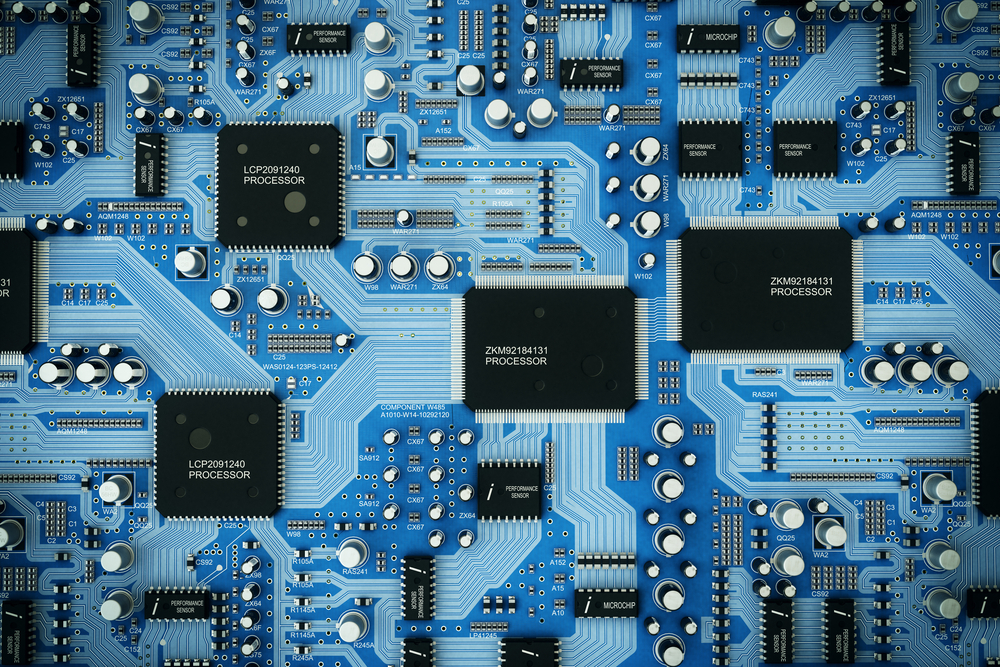
A new strong metal may replace silicon as the key component of microelectromechanical systems (MEMS), which are needed for cars, jet engines, oil rigs and electrical devices and appliances.

Researchers from Johns Hopkins University have developed the new material that has shown promise to help ensure that these microscopic sensors can continue to meet the demands of advancing technologies.

Mechanical engineer Kevin Hemker, who led the study, said researchers have been attempting to make MEMS out of more complex materials that are resistant to damage and better at conducting heat and electricity for a number of years.

The majority of MEMS devices have internal structures smaller than the width of a strand of human hair and shaped out of silicon. This enables for these devices to work well in average temperatures.

However, even a modest amount of heat causes them to lose strength and the ability to conduct electronic signals. Also, Silicon is often very brittle and prone to break.

The researchers honed in on metal containing nickel, which is commonly used in advanced structural materials and added molybdenum and tungsten to curb the degree to which pure nickel expands in heat

They created a film that can be peeled away, creating freestanding films that have an average thickness of 29 microns.

The freestanding alloy films showed a tensile strength when pulled three times greater than high-strength steel, while also holding up under high temperatures and the ability to be easily shaped into MEMS components.

“We thought the alloying would help us with strength as well as thermal stability,” Hemker said in a statement. “But we didn’t know it was going to help us as much as it did.”

The materials strength is due to atomic-scale patterning of the alloy’s internal crystal structure that has the added advantage of not impeding the material’s ability to conduct electricity.


 

Related Articles Read More >

Lab automation is “vaporizing”: Why the hottest innovation is invisible
Maryland set for first subsea internet cable: AWS’s 320+ Tbps “Fastnet” to Ireland
Google on how AI will extend researchers
2025 R&D layoffs tracker: hardware and chips lead the year’s biggest cuts while biopharma pares pipelines
rd newsletter
EXPAND YOUR KNOWLEDGE AND STAY CONNECTED
Get the latest info on technologies, trends, and strategies in Research & Development.
RD 25 Power Index

R&D World Digital Issues

Fall 2024 issue

Browse the most current issue of R&D World and back issues in an easy to use high quality format. Clip, share and download with the leading R&D magazine today.

Research & Development World
  • Subscribe to R&D World Magazine
  • Sign up for R&D World’s newsletter
  • Contact Us
  • About Us
  • Drug Discovery & Development
  • Pharmaceutical Processing
  • Global Funding Forecast

Copyright © 2025 WTWH Media LLC. All Rights Reserved. The material on this site may not be reproduced, distributed, transmitted, cached or otherwise used, except with the prior written permission of WTWH Media
Privacy Policy | Advertising | About Us

Search R&D World

  • R&D World Home
  • Topics
    • Aerospace
    • Automotive
    • Biotech
    • Careers
    • Chemistry
    • Environment
    • Energy
    • Life Science
    • Material Science
    • R&D Management
    • Physics
  • Technology
    • 3D Printing
    • A.I./Robotics
    • Software
    • Battery Technology
    • Controlled Environments
      • Cleanrooms
      • Graphene
      • Lasers
      • Regulations/Standards
      • Sensors
    • Imaging
    • Nanotechnology
    • Scientific Computing
      • Big Data
      • HPC/Supercomputing
      • Informatics
      • Security
    • Semiconductors
  • R&D Market Pulse
  • R&D 100
    • 2025 R&D 100 Award Winners
    • 2025 Professional Award Winners
    • 2025 Special Recognition Winners
    • R&D 100 Awards Event
    • R&D 100 Submissions
    • Winner Archive
  • Resources
    • Research Reports
    • Digital Issues
    • Educational Assets
    • R&D Index
    • Subscribe
    • Video
    • Webinars
    • Content submission guidelines for R&D World
  • Global Funding Forecast
  • Top Labs
  • Advertise
  • SUBSCRIBE