Research & Development World

  • R&D World Home
  • Topics
    • Aerospace
    • Automotive
    • Biotech
    • Careers
    • Chemistry
    • Environment
    • Energy
    • Life Science
    • Material Science
    • R&D Management
    • Physics
  • Technology
    • 3D Printing
    • A.I./Robotics
    • Software
    • Battery Technology
    • Controlled Environments
      • Cleanrooms
      • Graphene
      • Lasers
      • Regulations/Standards
      • Sensors
    • Imaging
    • Nanotechnology
    • Scientific Computing
      • Big Data
      • HPC/Supercomputing
      • Informatics
      • Security
    • Semiconductors
  • R&D Market Pulse
  • R&D 100
    • 2025 R&D 100 Award Winners
    • 2025 Professional Award Winners
    • 2025 Special Recognition Winners
    • R&D 100 Awards Event
    • R&D 100 Submissions
    • Winner Archive
  • Resources
    • Research Reports
    • Digital Issues
    • Educational Assets
    • Subscribe
    • Video
    • Webinars
    • Content submission guidelines for R&D World
  • Global Funding Forecast
  • Top Labs
  • Advertise
  • SUBSCRIBE

World’s Largest Volcanic Range May Lurk Beneath Antarctic Ice

By University of Edinburgh | August 14, 2017

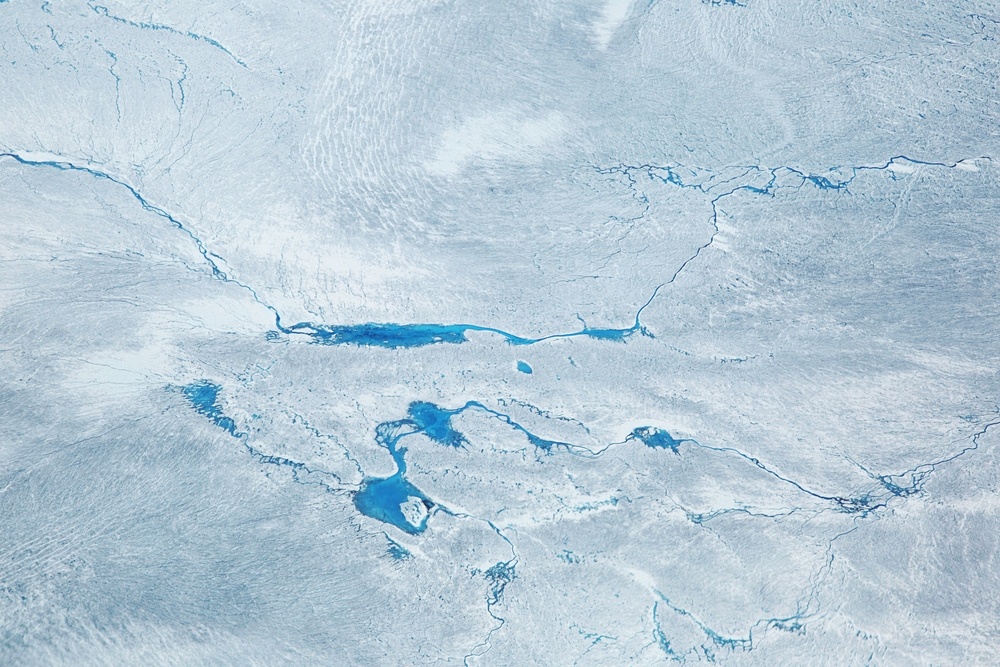
West Antarctica’s vast ice sheet conceals what may be the largest volcanic region on earth, research has revealed.

The continent’s ice covers almost 100 newly discovered volcanoes, the largest of which is as tall as the Eiger in Switzerland, a study has found.

Geologists and ice experts say the range has many similarities to East Africa’s volcanic ridge, which is currently acknowledged to be the densest concentration of volcanoes in the world.

Researchers from the University of Edinburgh remotely surveyed the underside of the ice sheet for hidden peaks of basalt rock, like those of other volcanoes in the region whose tips push above the ice.

They analysed the shape of the land beneath the ice using measurements from ice-penetrating radar, and compared the findings with satellite and database records, as well as geological information from aerial surveys.

Scientists found 91 previously unknown volcanoes, ranging in height from 100 to 3850 metres. The peaks are concentrated in a region known as the West Antarctic Rift System, spanning 3,500 kilometres from Antarctica’s Ross Ice Shelf to the Antarctic Peninsula.

Results from the study, which is the first of its kind, will help scientists understand how volcanoes can influence long-term fluctuations in the ice sheet. They could also help improve understanding of how the continent has changed during past climates.

Their results do not indicate whether the volcanoes are active, but should inform ongoing research into seismic monitoring in the area. Volcanic activity may increase if Antarctica’s ice thins, which is likely in a warming climate, scientists say.

Previous studies and the concentration of volcanoes found in the region together suggest that activity may have occurred in previous warmer periods.

The study, published in the Geological Society Special Publications series, was proposed by a third-year undergraduate student at the University of Edinburgh.

Dr Robert Bingham, of the University of Edinburgh’s School of GeoSciences, said: “It is fascinating to uncover an extensive range of volcanoes in this relatively unexplored continent. Better understanding of volcanic activity could shed light on their impact on Antarctica’s ice in the past, present and future, and on other rift systems around the world.”

Max Van Wyk de Vries, a student at the University of Edinburgh’s School of GeoSciences, who conceived the study, said: “Antarctica remains among the least studied areas of the globe, and as a young scientist I was excited to learn about something new and not well understood. After examining existing data on West Antarctica, I began discovering traces of volcanism. Naturally I looked into it further, which led to this discovery of almost 100 volcanoes under the ice sheet.”

###

Related Articles Read More >

Trump administration to dismantle ocean observatories that provide data freely to researchers
Atmospheric carbon dioxide hits record 431 ppm as Mauna Loa Observatory faces funding cuts
Microplastics may contribute to global warming new research indicates
Researchers use CRISPR to engineer plastic eating microbe
rd newsletter
EXPAND YOUR KNOWLEDGE AND STAY CONNECTED
Get the latest info on technologies, trends, and strategies in Research & Development.

R&D World Digital Issues

Fall 2025 issue

Browse the most current issue of R&D World and back issues in an easy to use high quality format. Clip, share and download with the leading R&D magazine today.

R&D 100 Awards
Research & Development World
  • Subscribe to R&D World Magazine
  • Sign up for R&D World’s newsletter
  • Contact Us
  • About Us
  • Drug Discovery & Development
  • Pharmaceutical Processing
  • Global Funding Forecast

Copyright © 2026 WTWH Media LLC. All Rights Reserved. The material on this site may not be reproduced, distributed, transmitted, cached or otherwise used, except with the prior written permission of WTWH Media
Privacy Policy | Advertising | About Us

Search R&D World

  • R&D World Home
  • Topics
    • Aerospace
    • Automotive
    • Biotech
    • Careers
    • Chemistry
    • Environment
    • Energy
    • Life Science
    • Material Science
    • R&D Management
    • Physics
  • Technology
    • 3D Printing
    • A.I./Robotics
    • Software
    • Battery Technology
    • Controlled Environments
      • Cleanrooms
      • Graphene
      • Lasers
      • Regulations/Standards
      • Sensors
    • Imaging
    • Nanotechnology
    • Scientific Computing
      • Big Data
      • HPC/Supercomputing
      • Informatics
      • Security
    • Semiconductors
  • R&D Market Pulse
  • R&D 100
    • 2025 R&D 100 Award Winners
    • 2025 Professional Award Winners
    • 2025 Special Recognition Winners
    • R&D 100 Awards Event
    • R&D 100 Submissions
    • Winner Archive
  • Resources
    • Research Reports
    • Digital Issues
    • Educational Assets
    • Subscribe
    • Video
    • Webinars
    • Content submission guidelines for R&D World
  • Global Funding Forecast
  • Top Labs
  • Advertise
  • SUBSCRIBE