Research & Development World

  • R&D World Home
  • Topics
    • Aerospace
    • Automotive
    • Biotech
    • Careers
    • Chemistry
    • Environment
    • Energy
    • Life Science
    • Material Science
    • R&D Management
    • Physics
  • Technology
    • 3D Printing
    • A.I./Robotics
    • Software
    • Battery Technology
    • Controlled Environments
      • Cleanrooms
      • Graphene
      • Lasers
      • Regulations/Standards
      • Sensors
    • Imaging
    • Nanotechnology
    • Scientific Computing
      • Big Data
      • HPC/Supercomputing
      • Informatics
      • Security
    • Semiconductors
  • R&D Market Pulse
  • R&D 100
    • 2026 R&D 100 Award Winners
    • 2026 Professional Award Winners
    • 2026 Special Recognition Winners
    • R&D 100 Awards Event
    • R&D 100 Submissions
    • Winner Archive
  • Resources
    • Research Reports
    • Digital Issues
    • Educational Assets
    • Subscribe
    • Video
    • Webinars
    • PharmSci360
    • Content submission guidelines for R&D World
  • Global Funding Forecast
  • Top Labs
  • Advertise
  • SUBSCRIBE

NIH Study Identifies New Targets for Anti-Malaria Drugs

By NIH | October 30, 2017

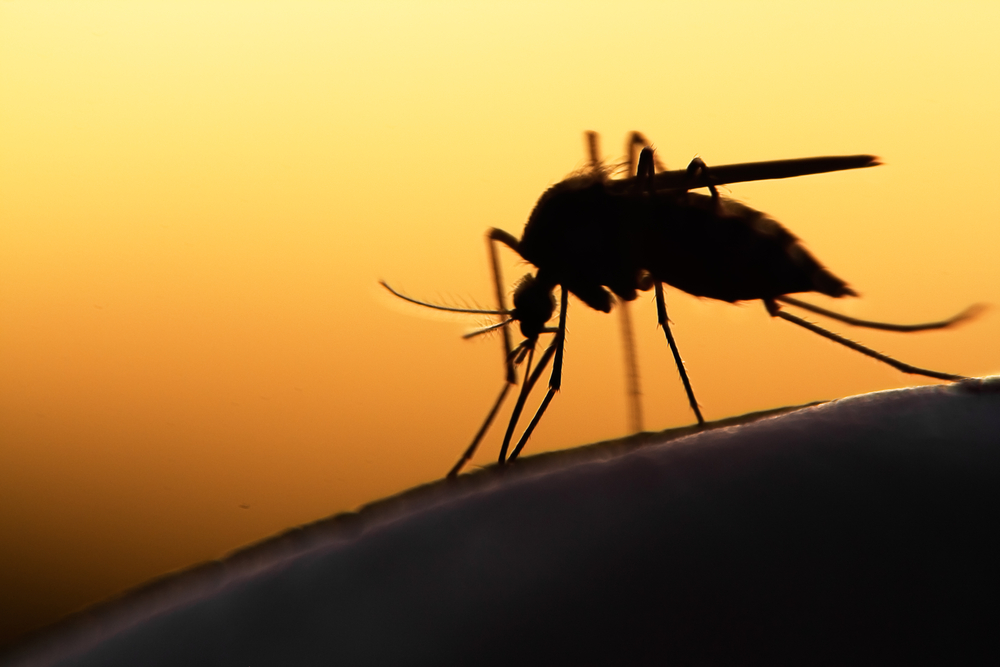
The deadliest malaria parasite needs two proteins to infect red blood cells and exit the cells after it multiplies, a finding that may provide researchers with potential new targets for drug development, according to researchers funded by the National Institutes of Health. Their study appears in the latest issue of Science.

Plasmodium falciparum, the species of parasite that causes the most malaria deaths worldwide, has developed drug-resistance in five countries in Southeast Asia.

In the current study, researchers sought to uncover the role of plasmepsins IX and X, two of the 10 types of plasmepsin proteins produced by P. falciparum for metabolic and other processes. They created malaria parasites that lacked plasmepsin IX or X under experimental conditions and compared them to those that had the two proteins.

The team found plasmepsin IX in rhoptries, specialized cell structures inside the parasite, which help it invade red blood cells. Parasites lacking plasmepsin IX had defective rhoptries. In addition, the team observed plasmepsin X in exonemes–small vesicles (balloon-like structures) that help malaria parasites exit infected cells. The team also discovered that plasmepsin X processes an important protein called SUB1. When deprived of plasmepsin X, the parasites couldn’t process SUB1 and couldn’t infect red blood cells or exit these cells after multiplying.

The researchers also identified three experimental malaria drugs that may work by targeting plasmepsin X. One drug, called CWHM-117, has already been tested in a mouse model of malaria. The new findings may help researchers modify CWHM-117 to make it more effective. Furthermore, parasites lacking the plasmepsins could potentially be used to screen candidate drugs to identify additional anti-malaria compounds.
Related Articles Read More >

100 million data points per blood sample: How IMU will profile immunity across 80,000 UK Biobank donors
Jabil’s 2026 digital health survey: Confidence in AI’s potential rises as confidence in internal readiness falls
Two RFD4-Proteina-designed enzymes that break down the pesticide paraoxon, with their structural accuracy and catalytic efficiency.
NVIDIA and UW’s protein design model produces 158 binders from 188 designs
Schematic of a whole-brain Perturb-seq atlas split into 1,946 perturbation profiles, each analyzed by its own AI agent.
OpenAI deploys nearly 2,000 GPT-Rosalind agents to generate biological research leads in 32 minutes
rd newsletter
EXPAND YOUR KNOWLEDGE AND STAY CONNECTED
Get the latest info on technologies, trends, and strategies in Research & Development.

R&D World Digital Issues

Fall 2025 issue

Browse the most current issue of R&D World and back issues in an easy to use high quality format. Clip, share and download with the leading R&D magazine today.

R&D 100 Awards
Research & Development World
  • Subscribe to R&D World Magazine
  • Sign up for R&D World’s newsletter
  • Contact Us
  • About Us
  • Drug Discovery & Development
  • Pharmaceutical Processing
  • Global Funding Forecast

Copyright © 2026 Arrowfly LLC. All Rights Reserved. The material on this site may not be reproduced, distributed, transmitted, cached or otherwise used, except with the prior written permission of Arrowfly
Privacy Policy | Advertising | About Us

Search R&D World

  • R&D World Home
  • Topics
    • Aerospace
    • Automotive
    • Biotech
    • Careers
    • Chemistry
    • Environment
    • Energy
    • Life Science
    • Material Science
    • R&D Management
    • Physics
  • Technology
    • 3D Printing
    • A.I./Robotics
    • Software
    • Battery Technology
    • Controlled Environments
      • Cleanrooms
      • Graphene
      • Lasers
      • Regulations/Standards
      • Sensors
    • Imaging
    • Nanotechnology
    • Scientific Computing
      • Big Data
      • HPC/Supercomputing
      • Informatics
      • Security
    • Semiconductors
  • R&D Market Pulse
  • R&D 100
    • 2026 R&D 100 Award Winners
    • 2026 Professional Award Winners
    • 2026 Special Recognition Winners
    • R&D 100 Awards Event
    • R&D 100 Submissions
    • Winner Archive
  • Resources
    • Research Reports
    • Digital Issues
    • Educational Assets
    • Subscribe
    • Video
    • Webinars
    • PharmSci360
    • Content submission guidelines for R&D World
  • Global Funding Forecast
  • Top Labs
  • Advertise
  • SUBSCRIBE