Research & Development World

  • R&D World Home
  • Topics
    • Aerospace
    • Automotive
    • Biotech
    • Careers
    • Chemistry
    • Environment
    • Energy
    • Life Science
    • Material Science
    • R&D Management
    • Physics
  • Technology
    • 3D Printing
    • A.I./Robotics
    • Software
    • Battery Technology
    • Controlled Environments
      • Cleanrooms
      • Graphene
      • Lasers
      • Regulations/Standards
      • Sensors
    • Imaging
    • Nanotechnology
    • Scientific Computing
      • Big Data
      • HPC/Supercomputing
      • Informatics
      • Security
    • Semiconductors
  • R&D Market Pulse
  • R&D 100
    • 2026 R&D 100 Award Winners
    • 2026 Professional Award Winners
    • 2026 Special Recognition Winners
    • R&D 100 Awards Event
    • R&D 100 Submissions
    • Winner Archive
  • Resources
    • Research Reports
    • Digital Issues
    • Educational Assets
    • Subscribe
    • Video
    • Webinars
    • PharmSci360
    • Content submission guidelines for R&D World
  • Global Funding Forecast
  • Top Labs
  • Advertise
  • SUBSCRIBE

Multidrug-Resistant Bacteria from Chickens Pose Risk to Human Health

By American Society for Microbiology | November 4, 2016

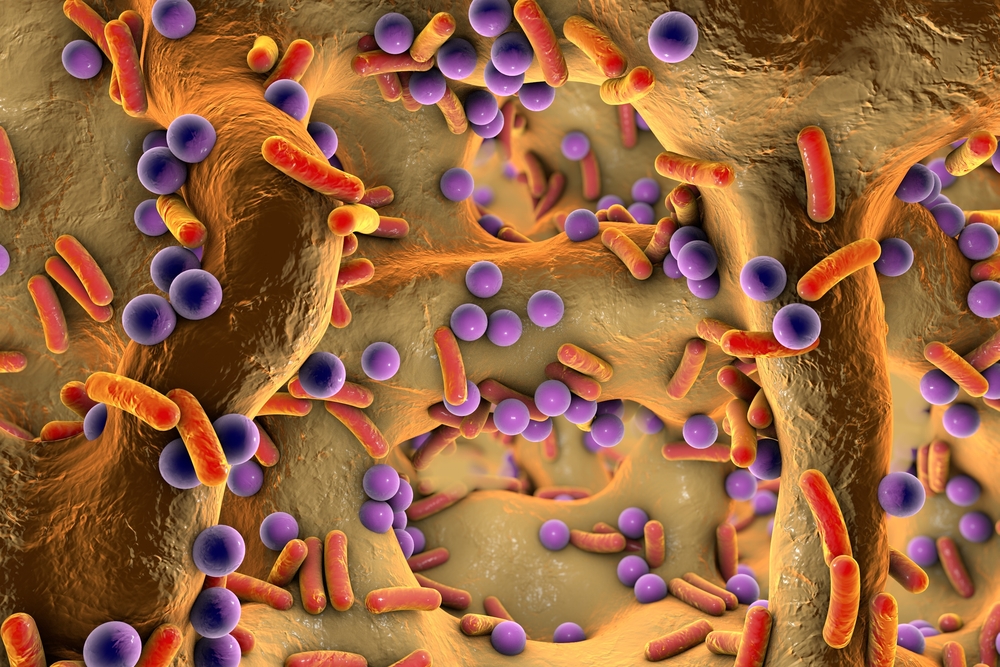
Isolates of a common poultry pathogen collected from animals in Indian bird markets were mostly resistant to multiple classes of antibiotics. The study provides the first data on prevalence and isolation of Helicobacter pullorum in India. The research is published November 4 in Applied and Environmental Microbiology, a journal of the American Society for Microbiology.

In the study, the investigators sequenced the genomes of 11 isolates of the pathogen, H. pullorum, from broiler and free range chickens from markets in Hyderabad, India. Each contained five or six well characterized antimicrobial resistance genes. The isolates were resistant to fluoroquinolones, cephalosporins, sulfonamides, and macrolide antibiotics, as well as others. Additionally, they produced extended spectrum β-lactamases, enzymes that rendered them resistant to penicillin family antibiotics.

Virulence screening identified 182 important virulence genes in the isolates.

Coauthor Niyaz Ahmed, PhD, Professor of Biotechnology & Bioinformatics, University of Hyderabad, India, said that H. pullorum could potentially be pathogenic in poultry and in humans, and explained that cases have been reported of human enteric disease caused by this bacterium. He also said that it carries a toxin that can interfere with the cell cycle, and cause DNA damage that can lead to cancer.

H. pullorum could become a public health concern, said Ahmed, because of the cancer-causing potential, and because “in countries like India, H. pullorum from poultry could be multi-resistant already because of the prevailing animal husbandry practices.”

The lack of research on the prevalence of H. pullorum in India provided the impetus for the study, said Ahmed. “We targeted wet market poultry outlets for our sampling, keeping in mind that poultry in India are often fed with antibiotics to promote weight gain. These practices most likely boost spread of drug-resistant pathogens among animals and humans, posing a significant public health risk.”

“Our study suggests that chickens could be a major source for transmission of emerging MDR pathogen, H. pullorum, from poultry to humans,” the investigators concluded. Additionally, they wrote, the study strongly supports the hypothesis that this species is an emerging pathogen, as it is closely related to established pathogens such as Campylobacter jejuni. Given the prevalence of H. pullorum in Indian chicken, as described in the study, the half billion Indians who eat chicken, and the fact that chicken consumption is growing at a huge 12 percent per year, the potential for spreading multi-drug resistance is “alarming,” the researchers wrote.
Related Articles Read More >

100 million data points per blood sample: How IMU will profile immunity across 80,000 UK Biobank donors
Jabil’s 2026 digital health survey: Confidence in AI’s potential rises as confidence in internal readiness falls
Two RFD4-Proteina-designed enzymes that break down the pesticide paraoxon, with their structural accuracy and catalytic efficiency.
NVIDIA and UW’s protein design model produces 158 binders from 188 designs
Schematic of a whole-brain Perturb-seq atlas split into 1,946 perturbation profiles, each analyzed by its own AI agent.
OpenAI deploys nearly 2,000 GPT-Rosalind agents to generate biological research leads in 32 minutes
rd newsletter
EXPAND YOUR KNOWLEDGE AND STAY CONNECTED
Get the latest info on technologies, trends, and strategies in Research & Development.

R&D World Digital Issues

Fall 2025 issue

Browse the most current issue of R&D World and back issues in an easy to use high quality format. Clip, share and download with the leading R&D magazine today.

R&D 100 Awards
Research & Development World
  • Subscribe to R&D World Magazine
  • Sign up for R&D World’s newsletter
  • Contact Us
  • About Us
  • Drug Discovery & Development
  • Pharmaceutical Processing
  • Global Funding Forecast

Copyright © 2026 Arrowfly LLC. All Rights Reserved. The material on this site may not be reproduced, distributed, transmitted, cached or otherwise used, except with the prior written permission of Arrowfly
Privacy Policy | Advertising | About Us

Search R&D World

  • R&D World Home
  • Topics
    • Aerospace
    • Automotive
    • Biotech
    • Careers
    • Chemistry
    • Environment
    • Energy
    • Life Science
    • Material Science
    • R&D Management
    • Physics
  • Technology
    • 3D Printing
    • A.I./Robotics
    • Software
    • Battery Technology
    • Controlled Environments
      • Cleanrooms
      • Graphene
      • Lasers
      • Regulations/Standards
      • Sensors
    • Imaging
    • Nanotechnology
    • Scientific Computing
      • Big Data
      • HPC/Supercomputing
      • Informatics
      • Security
    • Semiconductors
  • R&D Market Pulse
  • R&D 100
    • 2026 R&D 100 Award Winners
    • 2026 Professional Award Winners
    • 2026 Special Recognition Winners
    • R&D 100 Awards Event
    • R&D 100 Submissions
    • Winner Archive
  • Resources
    • Research Reports
    • Digital Issues
    • Educational Assets
    • Subscribe
    • Video
    • Webinars
    • PharmSci360
    • Content submission guidelines for R&D World
  • Global Funding Forecast
  • Top Labs
  • Advertise
  • SUBSCRIBE