Through a new gene sequencing technology, researchers have demonstrated that the gene FLT3 is a valid therapeutic target in acute myeloid leukemia, AML, one of the most common types of leukemia.
The technique, developed by Pacific Biosciences, allows for the rapid and comprehensive detection of gene mutations in patients with AML. The findings, published online April 15 in Nature, are a result of collaboration among scientists at the University of California, San Francisco, Pacific Biosciences and Mount Sinai School of Medicine. The discovery may help lead to the development of new drugs to treat AML.
“By sequencing the FLT3 gene in AML patients who have relapsed on therapy targeted against FLT3, we have determined that FLT3 is a valid therapeutic target, and this will certainly help us better understand the physiology of this type of leukemia in order to help us develop new therapies in the future,” said Andrew Kasarskis, PhD, who performed the research with colleagues at Pacific Biosciences prior to becoming Vice Chair of the Department of Genetics and Genomic Sciences at Mount Sinai School of Medicine. “In addition, sequencing hundreds of single molecules of FLT3 allowed us to see drug resistance mutations at low frequency. This increased ability to see resistance will let us identify the problem of the resistance sooner in a patient’s clinical course and help us take steps to address it.”
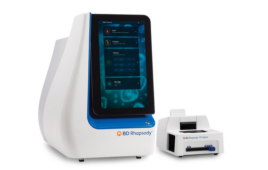
Historically, DNA sequencing of individual molecules in a mixture has been difficult and time-consuming to achieve. However, Pacific Bioscience’s single molecule real-time sequencer, the PacBio RS, identified mutations in the sequence reads obtained in a single run even at low levels, on the order of 1% to 3% of total sequence reads.
“This finding may have great utility for drug development, as we can begin to test drugs or a combination of drugs in patients with AML who have relapsed,” added Kasarskis, who is also Co-Director of the Institute for Genomics and Multiscale Biology at Mount Sinai. “Furthermore, if we can find out when the drug resistant mutations occur exactly, clinicians may be able to prescribe another drug more quickly.”
In this era of personalized medicine, many drugs have been developed to target the mutations in genes that cause cancer – in an effort to attack the cancer with minimal side effects. Oftentimes, patients develop resistance to drugs and new therapeutic strategies must be applied, so physicians use a second line drug, or combination of drugs, in an effort to target the new gene mutations that develop. Knowing exactly when this mutation and subsequent resistance occurs may be very helpful in identifying when new therapies may be prescribed.
In this study, researchers worked with eight leukemia patients who had participated in a clinical trial involving a compound known as AC220, the first clinically-active FLT3 inhibitor. All eight patients relapsed after first achieving deep remissions with AC220. The relapse indicated that patients had developed a resistance to the drug.
AML is characterized by the rapid growth of abnormal white blood cells that accumulate in the bone marrow and interfere with the production of normal blood cells. Treatment includes chemotherapy in order to eliminate leukemic cells and stem cell transplantation. However, through the identification of a valid therapeutic target (FLT3), scientists can begin to develop new and more effective therapies in the future.
“Mount Sinai is deeply committed to addressing the problem of drug resistance in all diseases including cancer and infections with viruses or bacteria,” said Kasarskis. “This study certainly tries to address the issue, and will look forward to making continued progress in this area.”
Date: April 15, 2012
Source: Mount Sinai School of Medicine