Research & Development World

  • R&D World Home
  • Topics
    • Aerospace
    • Automotive
    • Biotech
    • Careers
    • Chemistry
    • Environment
    • Energy
    • Life Science
    • Material Science
    • R&D Management
    • Physics
  • Technology
    • 3D Printing
    • A.I./Robotics
    • Software
    • Battery Technology
    • Controlled Environments
      • Cleanrooms
      • Graphene
      • Lasers
      • Regulations/Standards
      • Sensors
    • Imaging
    • Nanotechnology
    • Scientific Computing
      • Big Data
      • HPC/Supercomputing
      • Informatics
      • Security
    • Semiconductors
  • R&D Market Pulse
  • R&D 100
    • 2025 R&D 100 Award Winners
    • 2025 Professional Award Winners
    • 2025 Special Recognition Winners
    • R&D 100 Awards Event
    • R&D 100 Submissions
    • Winner Archive
  • Resources
    • Research Reports
    • Digital Issues
    • Educational Assets
    • R&D Index
    • Subscribe
    • Video
    • Webinars
    • Content submission guidelines for R&D World
  • Global Funding Forecast
  • Top Labs
  • Advertise
  • SUBSCRIBE

Ruthenium Rules for New Fuel Cells

By Rice University | June 28, 2017

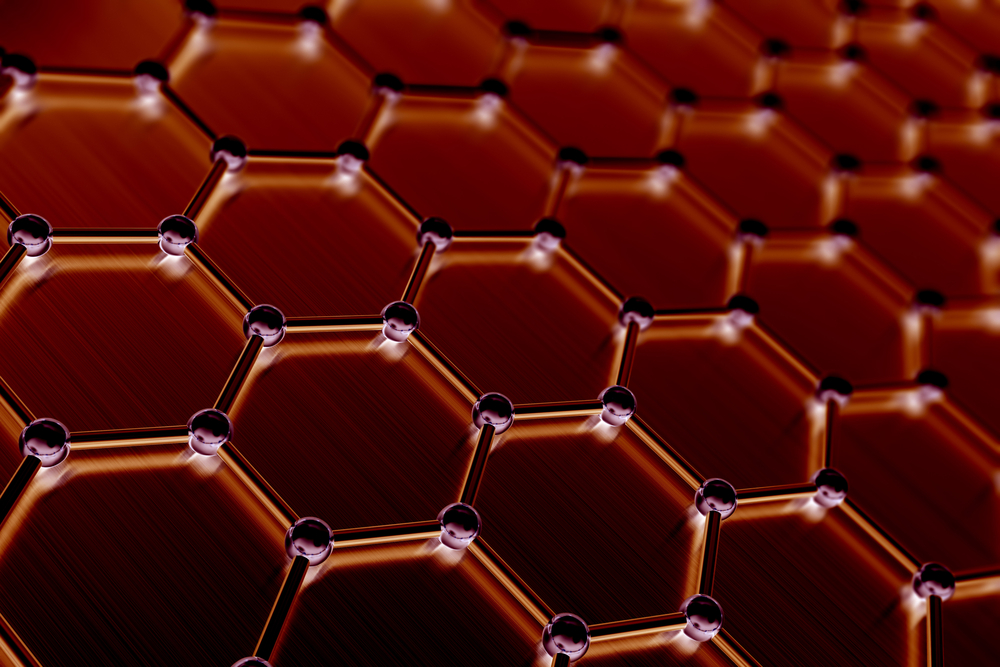
Rice University scientists have fabricated a durable catalyst for high-performance fuel cells by attaching single ruthenium atoms to graphene.

Catalysts that drive the oxygen reduction reaction that lets fuel cells turn chemical energy into electricity are usually made of platinum, which stands up to the acidic nature of the cell’s charge-carrying electrolyte. But platinum is expensive, and scientists have searched for decades for a suitable replacement.

The ruthenium-graphene combination may fit the bill, said chemist James Tour, whose lab developed the material with his colleagues at Rice and in China. In tests, its performance easily matched that of traditional platinum-based alloys and bested iron and nitrogen-doped graphene, another contender.

A paper on the discovery appears in the American Chemical Society journal ACS Nano.

“Ruthenium is often a highly active catalyst when fixed between arrays of four nitrogen atoms, yet it is one-tenth the cost of traditional platinum,” Tour said. “And since we are using single atomic sites rather than small particles, there are no buried atoms that cannot react. All the atoms are available for reaction.”

Spreading single ruthenium atoms across a sheet of graphene, the atom-thick form of carbon, turned out to be fairly straightforward, Tour said. It involved dispersing graphene oxide in a solution, loading in a small amount of ruthenium and then freeze-drying the new solution and turning it into a foam.

Baking that at 750 degrees Celsius (1,382 degrees Fahrenheit) in the presence of nitrogen and hydrogen gas reduced the graphene and locked nitrogen atoms to the surface, providing sites where ruthenium atoms could bind.

Materials made at higher and lower temperatures weren’t as good, and those made at the proper temperature but without either ruthenium or nitrogen proved the quality of the reaction depended on the presence of both.

The material showed excellent tolerance against methanol crossover and carbon monoxide poisoning in an acidic medium, both of which degrade the efficiency of fuel cells; such degradation is a persistent problem with traditional platinum fuel cells.

Related Articles Read More >

R&D 100 red carpet recap: NETL team turns plastic waste into battery-grade graphite
R&D 100 Spotlight: Looping nylon recycles fishnets into medical grade nylon
R&D 100 Winner Spotlight: How Qnity beat the industry timeline on PFAS-free lithography
R&D 100 Red Carpet: DuPont’s triple win
rd newsletter
EXPAND YOUR KNOWLEDGE AND STAY CONNECTED
Get the latest info on technologies, trends, and strategies in Research & Development.
RD 25 Power Index

R&D World Digital Issues

Fall 2025 issue

Browse the most current issue of R&D World and back issues in an easy to use high quality format. Clip, share and download with the leading R&D magazine today.

R&D 100 Awards
Research & Development World
  • Subscribe to R&D World Magazine
  • Sign up for R&D World’s newsletter
  • Contact Us
  • About Us
  • Drug Discovery & Development
  • Pharmaceutical Processing
  • Global Funding Forecast

Copyright © 2026 WTWH Media LLC. All Rights Reserved. The material on this site may not be reproduced, distributed, transmitted, cached or otherwise used, except with the prior written permission of WTWH Media
Privacy Policy | Advertising | About Us

Search R&D World

  • R&D World Home
  • Topics
    • Aerospace
    • Automotive
    • Biotech
    • Careers
    • Chemistry
    • Environment
    • Energy
    • Life Science
    • Material Science
    • R&D Management
    • Physics
  • Technology
    • 3D Printing
    • A.I./Robotics
    • Software
    • Battery Technology
    • Controlled Environments
      • Cleanrooms
      • Graphene
      • Lasers
      • Regulations/Standards
      • Sensors
    • Imaging
    • Nanotechnology
    • Scientific Computing
      • Big Data
      • HPC/Supercomputing
      • Informatics
      • Security
    • Semiconductors
  • R&D Market Pulse
  • R&D 100
    • 2025 R&D 100 Award Winners
    • 2025 Professional Award Winners
    • 2025 Special Recognition Winners
    • R&D 100 Awards Event
    • R&D 100 Submissions
    • Winner Archive
  • Resources
    • Research Reports
    • Digital Issues
    • Educational Assets
    • R&D Index
    • Subscribe
    • Video
    • Webinars
    • Content submission guidelines for R&D World
  • Global Funding Forecast
  • Top Labs
  • Advertise
  • SUBSCRIBE