Research & Development World

  • R&D World Home
  • Topics
    • Aerospace
    • Automotive
    • Biotech
    • Careers
    • Chemistry
    • Environment
    • Energy
    • Life Science
    • Material Science
    • R&D Management
    • Physics
  • Technology
    • 3D Printing
    • A.I./Robotics
    • Software
    • Battery Technology
    • Controlled Environments
      • Cleanrooms
      • Graphene
      • Lasers
      • Regulations/Standards
      • Sensors
    • Imaging
    • Nanotechnology
    • Scientific Computing
      • Big Data
      • HPC/Supercomputing
      • Informatics
      • Security
    • Semiconductors
  • R&D Market Pulse
  • R&D 100
    • 2025 R&D 100 Award Winners
    • 2025 Professional Award Winners
    • 2025 Special Recognition Winners
    • R&D 100 Awards Event
    • R&D 100 Submissions
    • Winner Archive
  • Resources
    • Research Reports
    • Digital Issues
    • Educational Assets
    • R&D Index
    • Subscribe
    • Video
    • Webinars
    • Content submission guidelines for R&D World
  • Global Funding Forecast
  • Top Labs
  • Advertise
  • SUBSCRIBE

Vision Simulator Helps Cataracts Patients Test Artificial Lenses

By Ryan Bushey | August 22, 2016

Cataracts, a common condition related to aging where the lens of a person’s eye clouds up, affecting vision, can occur due to a variety of reasons like long periods of sunlight exposure or diseases, such as diabetes.

Tools like new eyeglasses or brighter lighting could help with the early symptoms of cataracts, according to the National Eye Institute, but surgery to remove the lens and replace it with an artificial one becomes necessary if the aforementioned solutions don’t work.

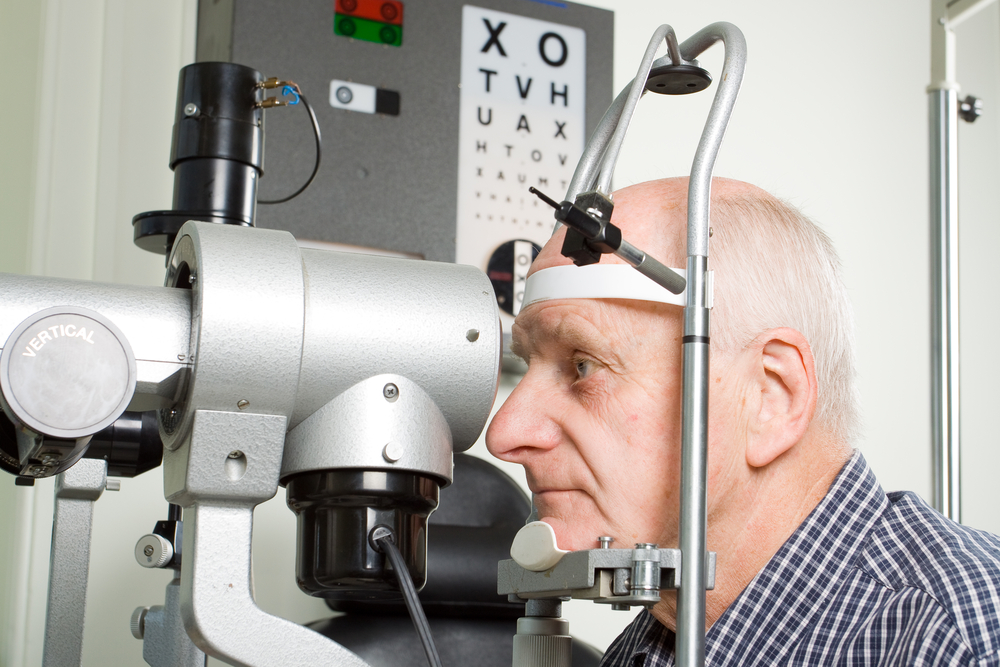
Researchers in Spain have created a hand-held device called SimVis to assist those individuals who need to undergo surgery in selecting the best artificial lens.

“Currently, the decision on which intraocular lens is implanted during cataract surgery is typically based on the explanations and experience of the surgeon,” said Carlos Dorronsoro, Ph.D., first author of the paper and a research scientist at Spain’s Institute of Optics, CSIC, in a statement. “But it is difficult for patients to imagine the new visual experience provided by some of these lenses, therefore, it is very difficult to make the decision.”

SimVis stands for simultaneous vision simulator where users simply need to stare through the prototype to see how different types of implanted lenses could impact their vision, per The Optical Society’s announcement.

A test trial of the device focused on nine volunteers who compared seven different lenses. An optoelectronic tunable lens built into the model morphs in response to an electrical charge.

Participants in this experiment looked at a smartphone, laptop, poster and tablet along with text and eye charts letting the scientists know which lens they preferred.

“The favored or rejected lenses were different for different testers, suggesting the need for this kind of simulation prior to surgery to customize the selection of lenses according to patient requirements,” added Dorronsoro noting the clinical applications of the SimVis could help meet the subjective needs and personal preferences of patients before they undergo the procedure.

Next, the team is working on a version of the SimVis structured like a binocular that will be lighter and have a wider field of view.

The paper discussing this device was published in the journal Optica.
Related Articles Read More >

FDA approves first non-drug depression treatment
These R&D 100 Finalists are improving pharmaceutical research with their award-winning CyroProbe
Lab automation is “vaporizing”: Why the hottest innovation is invisible
Maryland set for first subsea internet cable: AWS’s 320+ Tbps “Fastnet” to Ireland
rd newsletter
EXPAND YOUR KNOWLEDGE AND STAY CONNECTED
Get the latest info on technologies, trends, and strategies in Research & Development.
RD 25 Power Index

R&D World Digital Issues

Fall 2025 issue

Browse the most current issue of R&D World and back issues in an easy to use high quality format. Clip, share and download with the leading R&D magazine today.

Research & Development World
  • Subscribe to R&D World Magazine
  • Sign up for R&D World’s newsletter
  • Contact Us
  • About Us
  • Drug Discovery & Development
  • Pharmaceutical Processing
  • Global Funding Forecast

Copyright © 2025 WTWH Media LLC. All Rights Reserved. The material on this site may not be reproduced, distributed, transmitted, cached or otherwise used, except with the prior written permission of WTWH Media
Privacy Policy | Advertising | About Us

Search R&D World

  • R&D World Home
  • Topics
    • Aerospace
    • Automotive
    • Biotech
    • Careers
    • Chemistry
    • Environment
    • Energy
    • Life Science
    • Material Science
    • R&D Management
    • Physics
  • Technology
    • 3D Printing
    • A.I./Robotics
    • Software
    • Battery Technology
    • Controlled Environments
      • Cleanrooms
      • Graphene
      • Lasers
      • Regulations/Standards
      • Sensors
    • Imaging
    • Nanotechnology
    • Scientific Computing
      • Big Data
      • HPC/Supercomputing
      • Informatics
      • Security
    • Semiconductors
  • R&D Market Pulse
  • R&D 100
    • 2025 R&D 100 Award Winners
    • 2025 Professional Award Winners
    • 2025 Special Recognition Winners
    • R&D 100 Awards Event
    • R&D 100 Submissions
    • Winner Archive
  • Resources
    • Research Reports
    • Digital Issues
    • Educational Assets
    • R&D Index
    • Subscribe
    • Video
    • Webinars
    • Content submission guidelines for R&D World
  • Global Funding Forecast
  • Top Labs
  • Advertise
  • SUBSCRIBE