Research & Development World

  • R&D World Home
  • Topics
    • Aerospace
    • Automotive
    • Biotech
    • Careers
    • Chemistry
    • Environment
    • Energy
    • Life Science
    • Material Science
    • R&D Management
    • Physics
  • Technology
    • 3D Printing
    • A.I./Robotics
    • Software
    • Battery Technology
    • Controlled Environments
      • Cleanrooms
      • Graphene
      • Lasers
      • Regulations/Standards
      • Sensors
    • Imaging
    • Nanotechnology
    • Scientific Computing
      • Big Data
      • HPC/Supercomputing
      • Informatics
      • Security
    • Semiconductors
  • R&D Market Pulse
  • R&D 100
    • 2026 R&D 100 Award Winners
    • 2026 Professional Award Winners
    • 2026 Special Recognition Winners
    • R&D 100 Awards Event
    • R&D 100 Submissions
    • Winner Archive
  • Resources
    • Research Reports
    • Digital Issues
    • Educational Assets
    • Subscribe
    • Video
    • Webinars
    • PharmSci360
    • Content submission guidelines for R&D World
  • Global Funding Forecast
  • Top Labs
  • Advertise
  • SUBSCRIBE

Chameolonic Properties Make Large Molecules into Possible Drugs

By Uppsala University | October 21, 2016

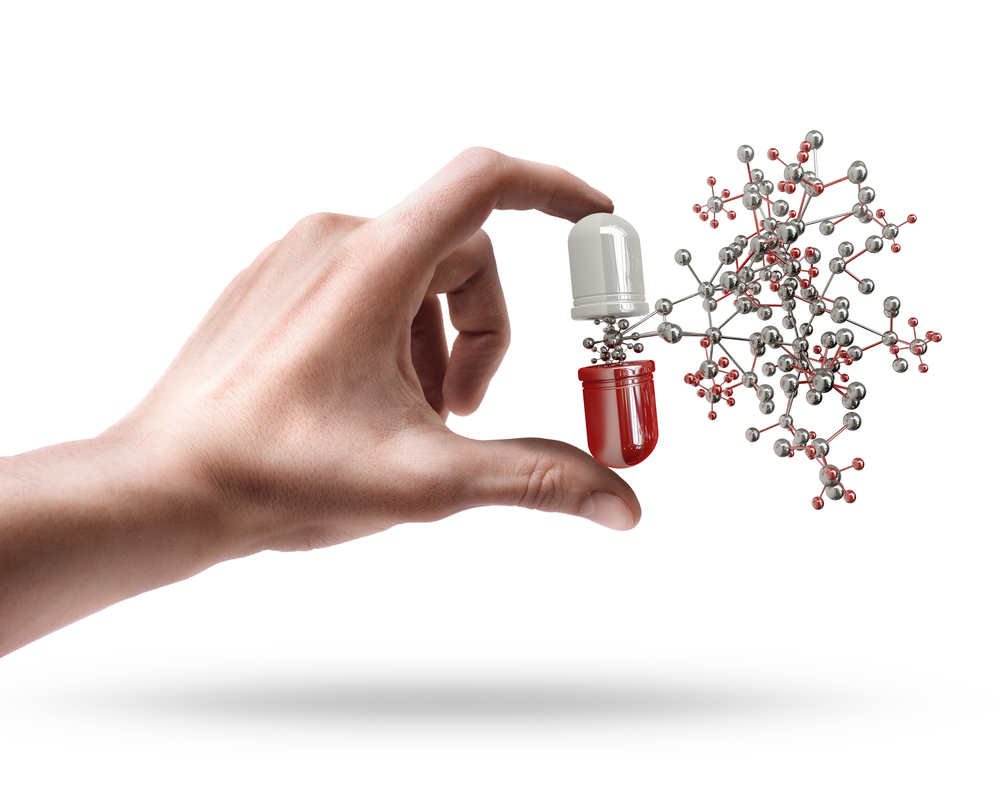
In a paper published in Nature Chemical Biology, a team of researchers from Uppsala University, the Broad Institute of MIT, Harvard, and AstraZeneca are presenting new insights into how larger-than-average molecules can be developed into pharmaceutical drugs.

Many human diseases are difficult to affect with traditional types of drug molecules, since these can be too small to effectively bind to the disease-causing target proteins. On the other hand, new drug classes, such as therapeutic proteins, are often too large to reach the inside of the cells were their effect is needed.

“We have studied a class of molecules – macrocycles – that combine features of traditional small molecule drugs and the recent biological drugs. This makes them promising candidates as drugs for targets inside human cells”, says Jan Kihlberg, Professor at the Department of Chemistry at Uppsala University, initiator and one of the principal investigators of the study.

Until now, little was known about how molecules in this larger-than-usual class of molecules are able to cross the protecting outer membrane of the cell. This is a necessary property if the molecules are to be developed into medicines that can reach their intended targets in the body. The multidisciplinary team has studied a large collection of macrocycles to systematically understand how the structure of the molecules determines how well they can cross the barrier of the cell membrane.

“We show that these molecules have the ability to alternate between shapes that expose water-loving parts, and shapes were such parts of the molecules are hidden from the outside environment. This chameleon-like flexibility allows them to be both soluble in water and able to pass through the oily interior of cell membranes,” says Björn Over of AstraZeneca R&D Gothenburg.

The authors present new computer-based methods to predict the membrane passage of macrocyclic compounds.

“This will allow drug discovery scientists to focus their efforts on design of molecules that are able to reach their targets, and to make full use of this promising class of molecules,” says Pär Matsson at the Department of Pharmacy at Uppsala University.

The authors are affiliated with Uppsala University, the Broad Institute of MIT and Harvard, AstraZeneca R&D Gothenburg and SciLifeLab.
Related Articles Read More >

100 million data points per blood sample: How IMU will profile immunity across 80,000 UK Biobank donors
Jabil’s 2026 digital health survey: Confidence in AI’s potential rises as confidence in internal readiness falls
Two RFD4-Proteina-designed enzymes that break down the pesticide paraoxon, with their structural accuracy and catalytic efficiency.
NVIDIA and UW’s protein design model produces 158 binders from 188 designs
Schematic of a whole-brain Perturb-seq atlas split into 1,946 perturbation profiles, each analyzed by its own AI agent.
OpenAI deploys nearly 2,000 GPT-Rosalind agents to generate biological research leads in 32 minutes
rd newsletter
EXPAND YOUR KNOWLEDGE AND STAY CONNECTED
Get the latest info on technologies, trends, and strategies in Research & Development.

R&D World Digital Issues

Fall 2025 issue

Browse the most current issue of R&D World and back issues in an easy to use high quality format. Clip, share and download with the leading R&D magazine today.

R&D 100 Awards
Research & Development World
  • Subscribe to R&D World Magazine
  • Sign up for R&D World’s newsletter
  • Contact Us
  • About Us
  • Drug Discovery & Development
  • Pharmaceutical Processing
  • Global Funding Forecast

Copyright © 2026 Arrowfly LLC. All Rights Reserved. The material on this site may not be reproduced, distributed, transmitted, cached or otherwise used, except with the prior written permission of Arrowfly
Privacy Policy | Advertising | About Us

Search R&D World

  • R&D World Home
  • Topics
    • Aerospace
    • Automotive
    • Biotech
    • Careers
    • Chemistry
    • Environment
    • Energy
    • Life Science
    • Material Science
    • R&D Management
    • Physics
  • Technology
    • 3D Printing
    • A.I./Robotics
    • Software
    • Battery Technology
    • Controlled Environments
      • Cleanrooms
      • Graphene
      • Lasers
      • Regulations/Standards
      • Sensors
    • Imaging
    • Nanotechnology
    • Scientific Computing
      • Big Data
      • HPC/Supercomputing
      • Informatics
      • Security
    • Semiconductors
  • R&D Market Pulse
  • R&D 100
    • 2026 R&D 100 Award Winners
    • 2026 Professional Award Winners
    • 2026 Special Recognition Winners
    • R&D 100 Awards Event
    • R&D 100 Submissions
    • Winner Archive
  • Resources
    • Research Reports
    • Digital Issues
    • Educational Assets
    • Subscribe
    • Video
    • Webinars
    • PharmSci360
    • Content submission guidelines for R&D World
  • Global Funding Forecast
  • Top Labs
  • Advertise
  • SUBSCRIBE