Research & Development World

  • R&D World Home
  • Topics
    • Aerospace
    • Automotive
    • Biotech
    • Careers
    • Chemistry
    • Environment
    • Energy
    • Life Science
    • Material Science
    • R&D Management
    • Physics
  • Technology
    • 3D Printing
    • A.I./Robotics
    • Software
    • Battery Technology
    • Controlled Environments
      • Cleanrooms
      • Graphene
      • Lasers
      • Regulations/Standards
      • Sensors
    • Imaging
    • Nanotechnology
    • Scientific Computing
      • Big Data
      • HPC/Supercomputing
      • Informatics
      • Security
    • Semiconductors
  • R&D Market Pulse
  • R&D 100
    • 2025 R&D 100 Award Winners
    • 2025 Professional Award Winners
    • 2025 Special Recognition Winners
    • R&D 100 Awards Event
    • R&D 100 Submissions
    • Winner Archive
  • Resources
    • Research Reports
    • Digital Issues
    • Educational Assets
    • Subscribe
    • Video
    • Webinars
    • PharmSci360
    • Content submission guidelines for R&D World
  • Global Funding Forecast
  • Top Labs
  • Advertise
  • SUBSCRIBE

Researchers Find Key to Long-Lasting Malaria Immunity, Potential Vaccine Targets

By Houston Methodist | November 10, 2016

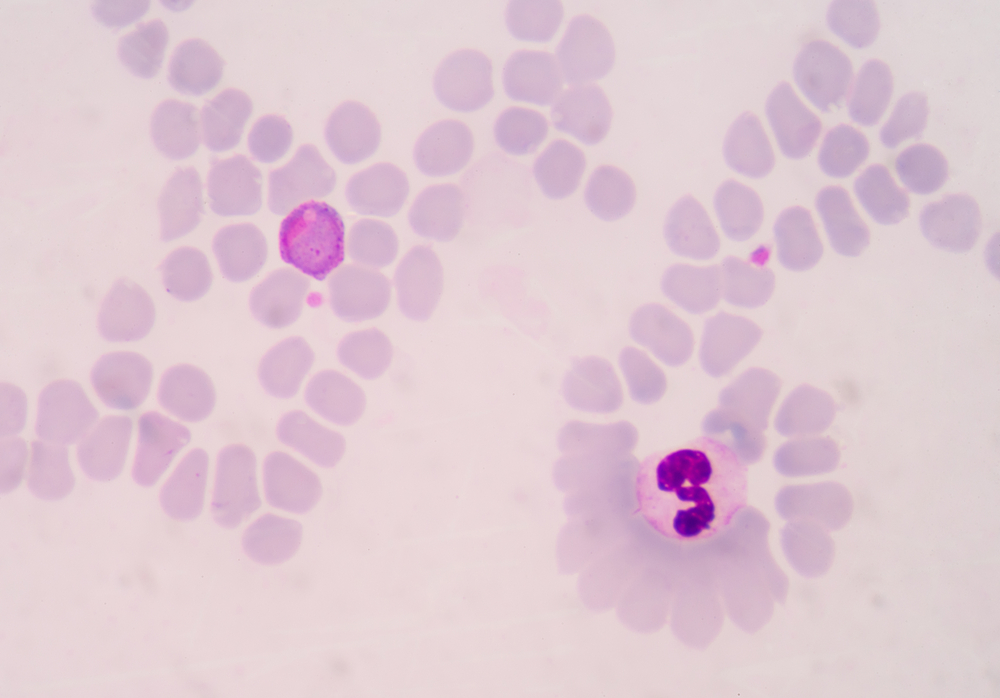
Houston Methodist researchers have discovered a set of immune proteins that facilitate long-lasting immunity against malaria. In a study recently published in Immunity (online Oct. 25), researchers reported that elevated production of specific proteins regulating the immune system within 24 hours of infection was required for a resilient and sustained anti-malaria immunity in mice.

“Nearly half a million people die from malaria every year,” said Rongfu Wang, Ph.D., director of the Center for Inflammation & Epigenetics at Houston Methodist Research Institute. “This is in part due to the lack of an effective malaria vaccine and a limited understanding of the body’s immune response during infection. We have identified the immune system pathways activated during infection and potential targets for a malaria vaccine.”

Using mouse models, the research team led by Wang carefully dissected pathways in the immune system to identify sensors in the genes that recognize malaria DNA and RNA and activate interferon type I signaling following malaria infection. The increased production of interferon type I proteins within 24 hours of infection were essential for initial and long-term malaria immunity.

Current antimalarial drugs vary by country and are not 100 percent protective, according to the World Health Organization (WHO). The Centers for Disease Control reports that the malaria causing parasite, Plasmodium falciparum, has developed resistance to nearly all of the available antimalarial drugs, including chloroquine.

Wang hopes that his team’s findings will help researchers understand how lethal malaria blocks type I interferon signaling and how regulating such signaling will aid in the development of effective anti-malaria vaccines for long-lasting malaria protection.

Related Articles Read More >

As AI floods drug discovery with designs, Twist uses DNA chips to tackle the wet-lab bottleneck
Purple Glowing Spiral Fractal Background Image, Illustration - Vortex repeating spiral patterns, Symmetrical repeating geometric patterns. Abstract design, black background
Recursion says its Norstella-backed real-time simulation can expand trial eligibility by up to 40%
NIH employees warn of ‘institutionalized destruction’ one year after Bethesda Declaration
Cradle’s CEO on the AI agent boom and the reality of experimental feedback in life sciences
rd newsletter
EXPAND YOUR KNOWLEDGE AND STAY CONNECTED
Get the latest info on technologies, trends, and strategies in Research & Development.

R&D World Digital Issues

Fall 2025 issue

Browse the most current issue of R&D World and back issues in an easy to use high quality format. Clip, share and download with the leading R&D magazine today.

R&D 100 Awards
Research & Development World
  • Subscribe to R&D World Magazine
  • Sign up for R&D World’s newsletter
  • Contact Us
  • About Us
  • Drug Discovery & Development
  • Pharmaceutical Processing
  • Global Funding Forecast

Copyright © 2026 Arrowfly LLC. All Rights Reserved. The material on this site may not be reproduced, distributed, transmitted, cached or otherwise used, except with the prior written permission of Arrowfly
Privacy Policy | Advertising | About Us

Search R&D World

  • R&D World Home
  • Topics
    • Aerospace
    • Automotive
    • Biotech
    • Careers
    • Chemistry
    • Environment
    • Energy
    • Life Science
    • Material Science
    • R&D Management
    • Physics
  • Technology
    • 3D Printing
    • A.I./Robotics
    • Software
    • Battery Technology
    • Controlled Environments
      • Cleanrooms
      • Graphene
      • Lasers
      • Regulations/Standards
      • Sensors
    • Imaging
    • Nanotechnology
    • Scientific Computing
      • Big Data
      • HPC/Supercomputing
      • Informatics
      • Security
    • Semiconductors
  • R&D Market Pulse
  • R&D 100
    • 2025 R&D 100 Award Winners
    • 2025 Professional Award Winners
    • 2025 Special Recognition Winners
    • R&D 100 Awards Event
    • R&D 100 Submissions
    • Winner Archive
  • Resources
    • Research Reports
    • Digital Issues
    • Educational Assets
    • Subscribe
    • Video
    • Webinars
    • PharmSci360
    • Content submission guidelines for R&D World
  • Global Funding Forecast
  • Top Labs
  • Advertise
  • SUBSCRIBE