Research & Development World

  • R&D World Home
  • Topics
    • Aerospace
    • Automotive
    • Biotech
    • Careers
    • Chemistry
    • Environment
    • Energy
    • Life Science
    • Material Science
    • R&D Management
    • Physics
  • Technology
    • 3D Printing
    • A.I./Robotics
    • Software
    • Battery Technology
    • Controlled Environments
      • Cleanrooms
      • Graphene
      • Lasers
      • Regulations/Standards
      • Sensors
    • Imaging
    • Nanotechnology
    • Scientific Computing
      • Big Data
      • HPC/Supercomputing
      • Informatics
      • Security
    • Semiconductors
  • R&D Market Pulse
  • R&D 100
    • 2025 R&D 100 Award Winners
    • 2025 Professional Award Winners
    • 2025 Special Recognition Winners
    • R&D 100 Awards Event
    • R&D 100 Submissions
    • Winner Archive
  • Resources
    • Research Reports
    • Digital Issues
    • Educational Assets
    • Subscribe
    • Video
    • Webinars
    • PharmSci360
    • Content submission guidelines for R&D World
  • Global Funding Forecast
  • Top Labs
  • Advertise
  • SUBSCRIBE

Manganese Dioxide Shows Potential in Micromotors

By University of Eastern Finland | November 14, 2017

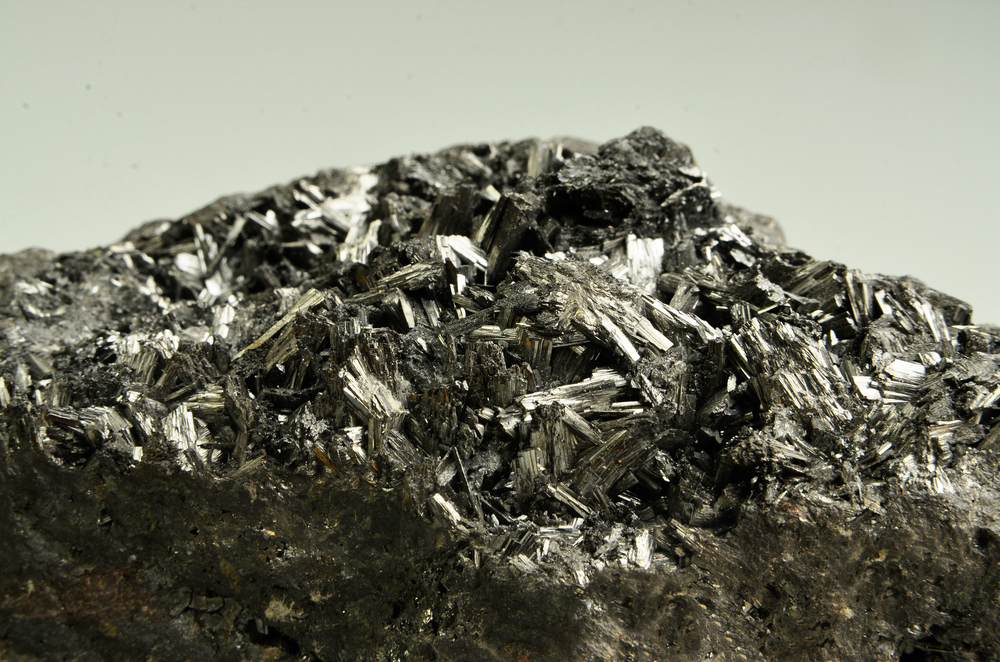
Manganese dioxide could make the preparation of micromotors increasingly cost-effective, opening up new avenues for their use, according to a new study from the University of Eastern Finland.

Synthetic micromotors are tiny particles with dimensions less than the diameter of a human hair. Micromotors can undergo an autonomous motion in liquid environments, which can be driven by various means such as a chemical fuel, ultrasound, light or magnetic field. Fuel-driven micromotors are often catalytic in nature, which causes the transformation of a chemical fuel into reaction products that lead to a self-propulsion of the particles. Micromotors may find use in the future, for example, in targeted drug delivery, specific catalysis or chemical sensing of harmful substances.

Platinum is the most widely explored catalytic material for the preparation of micromotors. It efficiently decomposes hydrogen peroxide into oxygen gas and water. However, platinum is an extremely rare chemical element and also suffers from serious limitations, such as drastically reduced catalytic efficiency in salt-rich environments and complete inactivation in the presence of sulphur containing compounds. Manganese dioxide is an alternate inorganic material that can decompose hydrogen peroxide similar to platinum. Manganese dioxide is also cheap and available in large quantities. Thus, it is a very potential new material for the preparation of catalytic micromotors, but has been scarcely explored to date.

In the study, a variety of manganese dioxide based micromotors were synthesized and characterized in terms of their motion behaviour in solution. Based on the results, the prepared micromotors exhibited a remarkable propulsion efficiency even in the presence of very low fuel concentrations. To demonstrate their potential for practical applications, the micromotors were used for the removal of organic dyes from water. The dye removal process was based on a unique effect that combined catalytic degradation and adsorptive bubble separation processes. The dye removal efficiency was over 90% in just one hour of reaction time without external mixing. In addition, manganese dioxide was used as a simple means for protecting the conventional platinum-based micromotors from sulphur toxicity.

Self-propelling micromotors may offer new opportunities to deliver drugs precisely to the tumour, with minimal adverse effects to the healthy tissues. Micromotors also possess an enormous potential to convert water pollutants into non-toxic or less-toxic products, even at difficult to reach areas and remote field locations, where external means of mixing to speed up the processes are not viable. Manganese dioxide micromotors, which can undergo a fast motion for a sufficient period of time in the presence of a low concentration of hydrogen peroxide, are expected to find diverse applications for active drug delivery and water remediation.

Related Articles Read More >

Researchers develop sawdust-based foam as polystyrene bans force industry to adapt
Researchers develop compostable PLA that potentially could be used for biomedical applications
Elkem Silicones rebrands as Bluestar Silicones after ownership change
How Atomis is using AI simulations to commercialize MOFs
rd newsletter
EXPAND YOUR KNOWLEDGE AND STAY CONNECTED
Get the latest info on technologies, trends, and strategies in Research & Development.

R&D World Digital Issues

Fall 2025 issue

Browse the most current issue of R&D World and back issues in an easy to use high quality format. Clip, share and download with the leading R&D magazine today.

R&D 100 Awards
Research & Development World
  • Subscribe to R&D World Magazine
  • Sign up for R&D World’s newsletter
  • Contact Us
  • About Us
  • Drug Discovery & Development
  • Pharmaceutical Processing
  • Global Funding Forecast

Copyright © 2026 Arrowfly LLC. All Rights Reserved. The material on this site may not be reproduced, distributed, transmitted, cached or otherwise used, except with the prior written permission of Arrowfly
Privacy Policy | Advertising | About Us

Search R&D World

  • R&D World Home
  • Topics
    • Aerospace
    • Automotive
    • Biotech
    • Careers
    • Chemistry
    • Environment
    • Energy
    • Life Science
    • Material Science
    • R&D Management
    • Physics
  • Technology
    • 3D Printing
    • A.I./Robotics
    • Software
    • Battery Technology
    • Controlled Environments
      • Cleanrooms
      • Graphene
      • Lasers
      • Regulations/Standards
      • Sensors
    • Imaging
    • Nanotechnology
    • Scientific Computing
      • Big Data
      • HPC/Supercomputing
      • Informatics
      • Security
    • Semiconductors
  • R&D Market Pulse
  • R&D 100
    • 2025 R&D 100 Award Winners
    • 2025 Professional Award Winners
    • 2025 Special Recognition Winners
    • R&D 100 Awards Event
    • R&D 100 Submissions
    • Winner Archive
  • Resources
    • Research Reports
    • Digital Issues
    • Educational Assets
    • Subscribe
    • Video
    • Webinars
    • PharmSci360
    • Content submission guidelines for R&D World
  • Global Funding Forecast
  • Top Labs
  • Advertise
  • SUBSCRIBE