An outbreak of Andes virus (ANDV), a strain of hantavirus, on a cruise ship has made a diagnostic test more urgent than ever. The incubation period for ANDV ranges from four to 42 days, with symptoms becoming life-threatening in 24 to 48 hours, making early detection essential. ANDV is also the only known strain of hantavirus that spreads person to person.
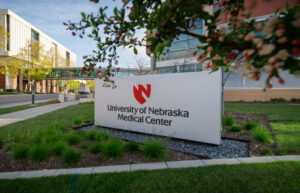
Credit: UNMC
Where current tests fall short
While there is no vaccine or treatment for ANDV, supportive care can improve survival rates. Initiating extracorporeal membrane oxygenation (ECMO) at the earliest sign of collapse can result in an 80% survival rate. Early detection of the disease is vital for applying life-saving treatments as early as possible.
The primary strain of hantavirus seen in North America is Sin Nombre Virus (SNV), which is genetically distinct from ANDV. Because of this, standard U.S. tests for hantavirus often fail to recognize ANDV.
The CDC currently provides serology testing to detect IgM and IgG antibodies for suspected cases. However, antibodies typically do not appear until a patient is actively showing symptoms, making it less useful for testing individuals in the incubation period. A 2024 study by the CDC found that commercial IgM assays frequently produce false-positive results compared to CDC-developed reference assays.
RT-PCR tests detect viral RNA in the blood, making these tests effective before symptoms become severe. The CDC has a PCR test for ANDV, but it is a research test that has not undergone the validation needed to confirm it produces consistent results.
Nebraska Medical Center takes on the challenge
In anticipation of receiving 15 patients from the ship, researchers at the University of Nebraska Medical Center developed and validated a diagnostic-grade PCR test for the Andes virus. Unlike previous tests, which were only used for research purposes, this assay is validated for patient management.
“I believe we might be the only lab in the nation that has this test available at the moment,” Peter Iwen, director of the Nebraska Public Health Laboratory, told WIRED.
The university’s medical center has a highly specialized biocontainment unit to care for patients with severe infectious diseases that lack vaccines or treatments, including Ebola, COVID-19 and now, ANDV.
The medical center team reached out to scientists at the University of New Mexico studying hantavirus. A lab there shipped genetic material of ANDV, which the team in Nebraska needed to validate their test.
The Nebraska researchers added ANDV genetic material in various concentrations to samples of healthy human blood to validate their test. They now have the capacity to conduct a few hundred patient tests.
As of May 14, there was no sign that any of the 15 guests in quarantine at the medical center were infected with hantavirus.