Research & Development World

  • R&D World Home
  • Topics
    • Aerospace
    • Automotive
    • Biotech
    • Careers
    • Chemistry
    • Environment
    • Energy
    • Life Science
    • Material Science
    • R&D Management
    • Physics
  • Technology
    • 3D Printing
    • A.I./Robotics
    • Software
    • Battery Technology
    • Controlled Environments
      • Cleanrooms
      • Graphene
      • Lasers
      • Regulations/Standards
      • Sensors
    • Imaging
    • Nanotechnology
    • Scientific Computing
      • Big Data
      • HPC/Supercomputing
      • Informatics
      • Security
    • Semiconductors
  • R&D Market Pulse
  • R&D 100
    • 2025 R&D 100 Award Winners
    • 2025 Professional Award Winners
    • 2025 Special Recognition Winners
    • R&D 100 Awards Event
    • R&D 100 Submissions
    • Winner Archive
  • Resources
    • Research Reports
    • Digital Issues
    • Educational Assets
    • R&D Index
    • Subscribe
    • Video
    • Webinars
    • Content submission guidelines for R&D World
  • Global Funding Forecast
  • Top Labs
  • Advertise
  • SUBSCRIBE

Study Offers New Mindset in Search for Stroke Therapies

By University of New South Wales | September 7, 2017

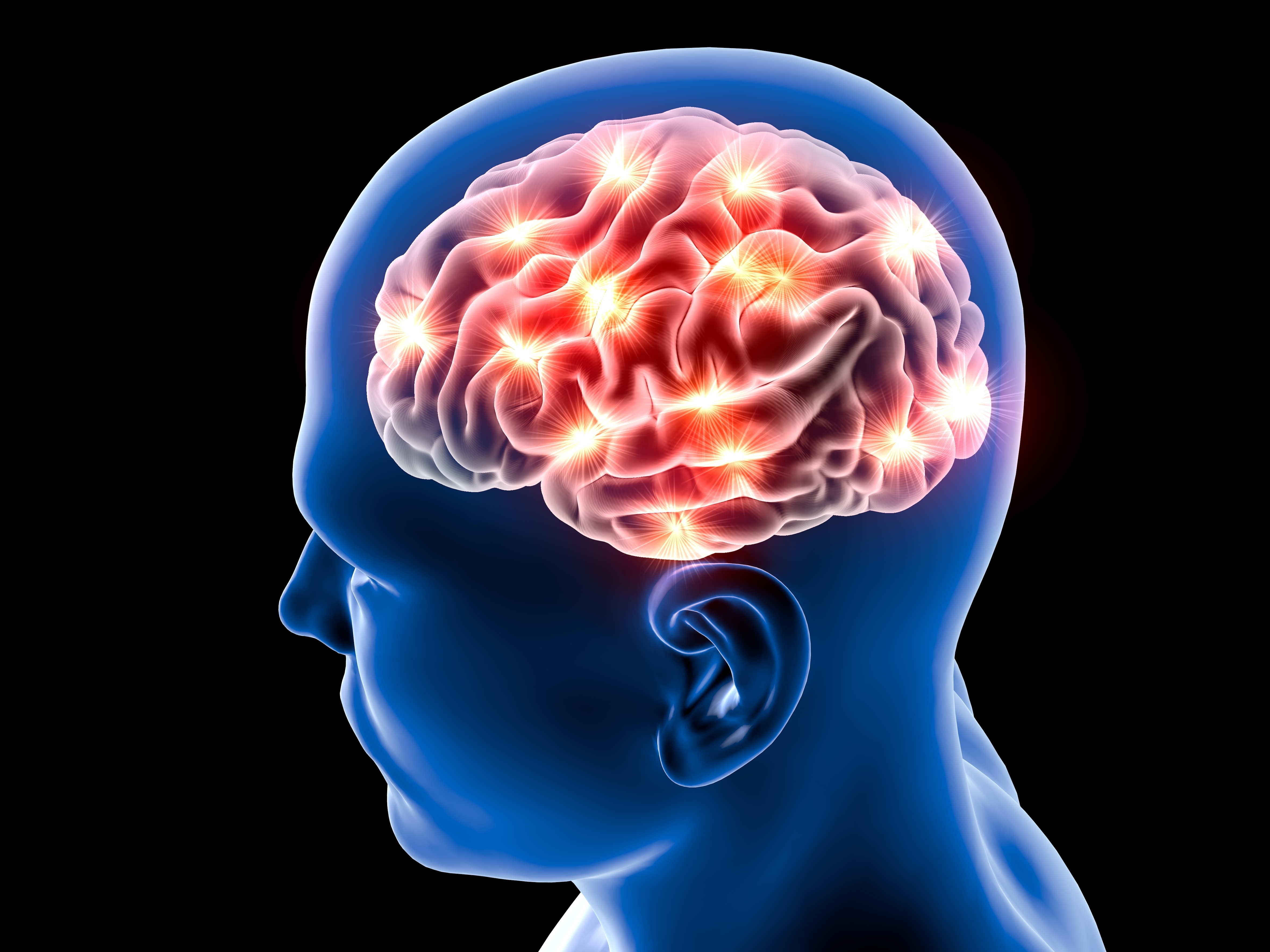
UNSW researchers have identified a promising new avenue to explore in the search for stroke treatments, after translating findings from Alzheimer’s disease.

The study published in Nature Communications finds that mice deficient in tau, a protein within brain cells (neurons), are significantly protected from excitotoxic brain damage after experimental stroke.

Stroke is a major cause of death and disability, and there is only a short window for therapeutic intervention, aimed at restoring blood flow to the brain before neurons are irreversibly damaged.

Professor Lars Ittner and Dr Yazi Ke at UNSW and NeuRA had already established that in Alzheimer’s disease, memory deficits and early deaths were tau-dependent.

The researchers suspected a reduction of tau would also reduce acute brain damage in stroke.

“Tau as a drug target is intensively explored in Alzheimer’s disease, but as a drug target in stroke is completely new thinking,” Professor Ittner says.

“That’s where our paper has implications beyond mouse model molecular work. Drug development in this space should consider stroke as a disease that you can treat by targeting tau,” Dr Ke added.

The paper, with first author Dr Mian Bi and co-senior author Dr Ke, is the first to show a direct role of tau in brain damage after stroke. It demonstrates profound protection from brain damage, of more than 90 per cent, in the absence of tau.

Tau has been eyed as a therapeutic target in Alzheimer’s disease for several years, and Professor Ittner is hopeful that work in that area can also advance research on stroke.

But he cautions these findings were made in mouse models only, and that pathways to therapies take decades.

“This cannot yet be directly translated to therapy, but what it opens up is a new kind of thinking about the mechanisms that lead to brain damage after stroke, and as such, opens new avenues to develop therapies in the future,” he says.

Dr Bi says it will be important that other studies validate the work, and he is sure the findings will encourage more research in this direction.

“Around 10 years ago the drug development field in stroke was very hot, but most therapeutic stroke trials came to an end in failure,” he says.

“Avenues to therapy are very long, but this might re-start interest in the field with a new direction that hasn’t been tried before. It’s a bit of light after all the past failure.”

Professor Ittner agrees: “It’s a new insight into a disease that is at the molecular level, still poorly understood, and it needs such new insights or rethinking to make a step forward towards therapy.”

Related Articles Read More >

Parallel Bio’s embraces in-house drug development as FDA backs animal testing alternatives
R&D 100 Winner Spotlight: A closer look at Thermo Fisher Scientific’s trio of R&D 100 wins in 2025
Life sciences M&A hit $240B in 2025 as Big Pharma preps for patent cliffs
Hansoh Bio signs 32,000-sq.-ft. lab lease at Research Square in Rockville, MD
rd newsletter
EXPAND YOUR KNOWLEDGE AND STAY CONNECTED
Get the latest info on technologies, trends, and strategies in Research & Development.
RD 25 Power Index

R&D World Digital Issues

Fall 2025 issue

Browse the most current issue of R&D World and back issues in an easy to use high quality format. Clip, share and download with the leading R&D magazine today.

R&D 100 Awards
Research & Development World
  • Subscribe to R&D World Magazine
  • Sign up for R&D World’s newsletter
  • Contact Us
  • About Us
  • Drug Discovery & Development
  • Pharmaceutical Processing
  • Global Funding Forecast

Copyright © 2026 WTWH Media LLC. All Rights Reserved. The material on this site may not be reproduced, distributed, transmitted, cached or otherwise used, except with the prior written permission of WTWH Media
Privacy Policy | Advertising | About Us

Search R&D World

  • R&D World Home
  • Topics
    • Aerospace
    • Automotive
    • Biotech
    • Careers
    • Chemistry
    • Environment
    • Energy
    • Life Science
    • Material Science
    • R&D Management
    • Physics
  • Technology
    • 3D Printing
    • A.I./Robotics
    • Software
    • Battery Technology
    • Controlled Environments
      • Cleanrooms
      • Graphene
      • Lasers
      • Regulations/Standards
      • Sensors
    • Imaging
    • Nanotechnology
    • Scientific Computing
      • Big Data
      • HPC/Supercomputing
      • Informatics
      • Security
    • Semiconductors
  • R&D Market Pulse
  • R&D 100
    • 2025 R&D 100 Award Winners
    • 2025 Professional Award Winners
    • 2025 Special Recognition Winners
    • R&D 100 Awards Event
    • R&D 100 Submissions
    • Winner Archive
  • Resources
    • Research Reports
    • Digital Issues
    • Educational Assets
    • R&D Index
    • Subscribe
    • Video
    • Webinars
    • Content submission guidelines for R&D World
  • Global Funding Forecast
  • Top Labs
  • Advertise
  • SUBSCRIBE