Research & Development World

  • R&D World Home
  • Topics
    • Aerospace
    • Automotive
    • Biotech
    • Careers
    • Chemistry
    • Environment
    • Energy
    • Life Science
    • Material Science
    • R&D Management
    • Physics
  • Technology
    • 3D Printing
    • A.I./Robotics
    • Software
    • Battery Technology
    • Controlled Environments
      • Cleanrooms
      • Graphene
      • Lasers
      • Regulations/Standards
      • Sensors
    • Imaging
    • Nanotechnology
    • Scientific Computing
      • Big Data
      • HPC/Supercomputing
      • Informatics
      • Security
    • Semiconductors
  • R&D Market Pulse
  • R&D 100
    • 2025 R&D 100 Award Winners
    • 2025 Professional Award Winners
    • 2025 Special Recognition Winners
    • R&D 100 Awards Event
    • R&D 100 Submissions
    • Winner Archive
  • Resources
    • Research Reports
    • Digital Issues
    • Educational Assets
    • R&D Index
    • Subscribe
    • Video
    • Webinars
    • Content submission guidelines for R&D World
  • Global Funding Forecast
  • Top Labs
  • Advertise
  • SUBSCRIBE

Georgia State Researcher Wins Grant to Develop Ebola Virus Drug

By Georgia State University | March 20, 2017

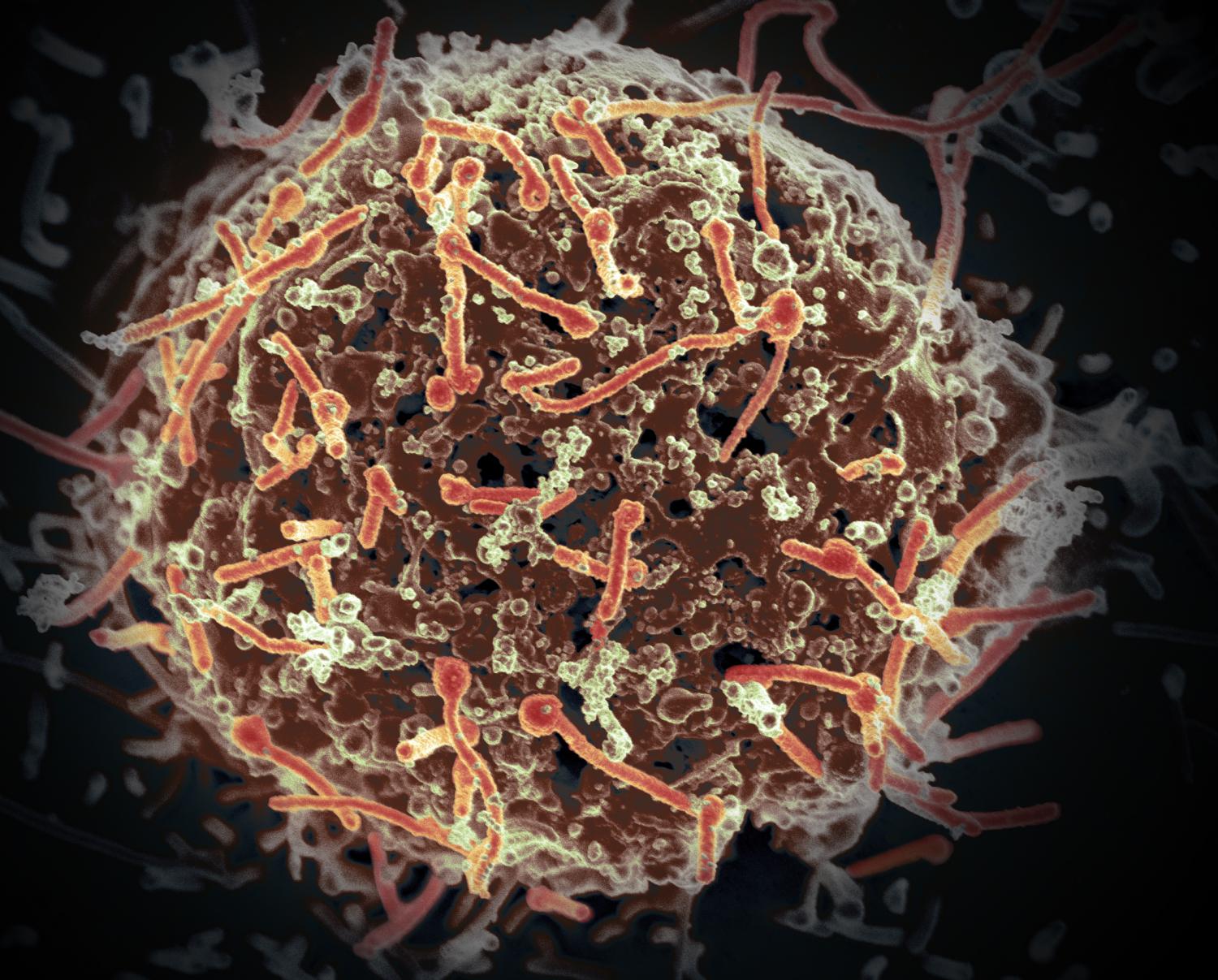
Dr. Christopher Basler, a professor in the Institute for Biomedical Sciences at Georgia State University, director of the university’s Center for Microbial Pathogenesis and a Georgia Research Alliance Eminent Scholar in Microbial Pathogenesis, has received a five-year, $4.1 million federal grant to develop a drug targeting Ebola virus.

“We still lack any approved drugs to treat Ebola virus infection,” Basler said. “Ebola remains a significant concern. The outbreak in West Africa from 2014 to 2016 drives home the significance of Ebola as a public health threat. We need vaccines and drugs to treat the infections. There’s been more progress on the vaccine front than treatment, but hopefully, we’ll come up with new strategies that may lead to new drugs.”

The Ebola virus outbreak in West Africa was the largest known occurrence of the disease and resulted in more than 28,000 infections and 11,000 deaths, according to the World Health Organization. History shows that Ebola virus periodically reemerges.

“I think given the history, we can expect Ebola virus and other related viruses to come back,” Basler said. “To me, that drives home the importance of having ways to respond.”

The grant from the National Institute of Allergy and Infectious Diseases, part of the National Institutes of Health, will support Basler’s work to target the viral machinery that Ebola uses to make new copies of its genome, a critical function for the virus to grow and spread. The goal is to find drug compounds that block the growth of Ebola virus.

“One of the complications with Ebola is that you need special high containment labs to work with the live virus,” Basler said. “So our strategy was to try to break the virus down into its different functions in a way that you could study them without creating any infectious material. We’ll define compounds that will inhibit the function of the system that enables growth of the virus and then later test them against the actual live virus.”

Basler is collaborating on the project with Dr. Megan Shaw of the Icahn School of Medicine at Mt. Sinai, Drs. Sumit Chanda and Anthony Pinkerton of Sanford Burnham Prebys Medical Discovery Institute and Dr. Robert Davey of Texas Biomedical Research Institute.

The four institutions will identify inhibitors of the viral machinery, confirm inhibition against live Ebola virus, determine how the drug candidates block the viral machinery and develop additional tests to identify drug candidates that will inhibit not only Ebola virus, but also other related and deadly viruses, such as Marburg virus.

“These are generally all quite deadly viruses, so you would like to have drugs that work not only against Ebola virus but all of its family members,” Basler said. “We’re trying to find things that we’re calling panfiloviral drugs that will target all members of the family. If we find those, those would be our top candidates. The next step would require different funding, but we’d want to test the best candidates in animal models to see if these can prevent Ebola virus disease.”

“GRA congratulates Dr. Basler on his recent achievement,” said Michael Cassidy, president and chief executive officer of the Georgia Research Alliance. “His research has the potential to protect us from the world’s most threatening viruses. We are pleased to have participated with Georgia State University in recruiting him to Georgia and to have this important work take place in our state.”

Related Articles Read More >

JLL: 2026 could be a realignment year for life science labs
How Prelude and QDX are using quantum chemistry to discover cancer treatments
US political drama is pushing life sciences talent toward Switzerland, Basel leader says
Thermo Fisher targets early-stage CGT bottlenecks with new Philadelphia hub
rd newsletter
EXPAND YOUR KNOWLEDGE AND STAY CONNECTED
Get the latest info on technologies, trends, and strategies in Research & Development.
RD 25 Power Index

R&D World Digital Issues

Fall 2025 issue

Browse the most current issue of R&D World and back issues in an easy to use high quality format. Clip, share and download with the leading R&D magazine today.

Research & Development World
  • Subscribe to R&D World Magazine
  • Sign up for R&D World’s newsletter
  • Contact Us
  • About Us
  • Drug Discovery & Development
  • Pharmaceutical Processing
  • Global Funding Forecast

Copyright © 2025 WTWH Media LLC. All Rights Reserved. The material on this site may not be reproduced, distributed, transmitted, cached or otherwise used, except with the prior written permission of WTWH Media
Privacy Policy | Advertising | About Us

Search R&D World

  • R&D World Home
  • Topics
    • Aerospace
    • Automotive
    • Biotech
    • Careers
    • Chemistry
    • Environment
    • Energy
    • Life Science
    • Material Science
    • R&D Management
    • Physics
  • Technology
    • 3D Printing
    • A.I./Robotics
    • Software
    • Battery Technology
    • Controlled Environments
      • Cleanrooms
      • Graphene
      • Lasers
      • Regulations/Standards
      • Sensors
    • Imaging
    • Nanotechnology
    • Scientific Computing
      • Big Data
      • HPC/Supercomputing
      • Informatics
      • Security
    • Semiconductors
  • R&D Market Pulse
  • R&D 100
    • 2025 R&D 100 Award Winners
    • 2025 Professional Award Winners
    • 2025 Special Recognition Winners
    • R&D 100 Awards Event
    • R&D 100 Submissions
    • Winner Archive
  • Resources
    • Research Reports
    • Digital Issues
    • Educational Assets
    • R&D Index
    • Subscribe
    • Video
    • Webinars
    • Content submission guidelines for R&D World
  • Global Funding Forecast
  • Top Labs
  • Advertise
  • SUBSCRIBE