Research & Development World

  • R&D World Home
  • Topics
    • Aerospace
    • Automotive
    • Biotech
    • Careers
    • Chemistry
    • Environment
    • Energy
    • Life Science
    • Material Science
    • R&D Management
    • Physics
  • Technology
    • 3D Printing
    • A.I./Robotics
    • Software
    • Battery Technology
    • Controlled Environments
      • Cleanrooms
      • Graphene
      • Lasers
      • Regulations/Standards
      • Sensors
    • Imaging
    • Nanotechnology
    • Scientific Computing
      • Big Data
      • HPC/Supercomputing
      • Informatics
      • Security
    • Semiconductors
  • R&D Market Pulse
  • R&D 100
    • 2025 R&D 100 Award Winners
    • 2025 Professional Award Winners
    • 2025 Special Recognition Winners
    • R&D 100 Awards Event
    • R&D 100 Submissions
    • Winner Archive
  • Resources
    • Research Reports
    • Digital Issues
    • Educational Assets
    • R&D Index
    • Subscribe
    • Video
    • Webinars
    • Content submission guidelines for R&D World
  • Global Funding Forecast
  • Top Labs
  • Advertise
  • SUBSCRIBE

Hydraulic Fracturing Rarely Linked to Felt Seismic Tremors

By University of Alberta | June 26, 2017

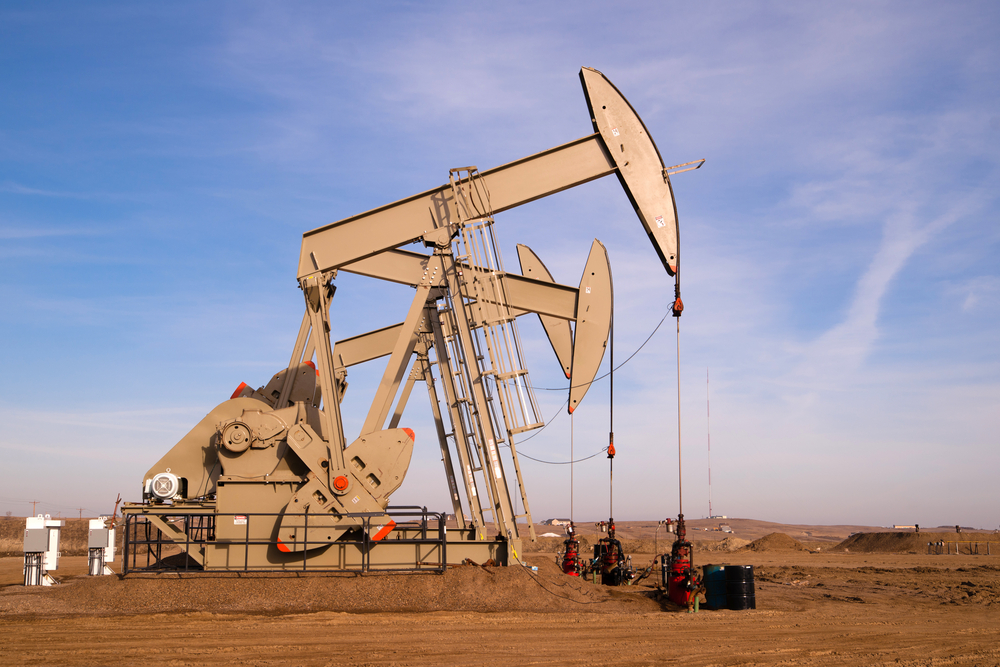
New research suggests hydraulic fracturing and saltwater disposal has limited impact on seismic events.

For the past two years, UAlberta geophysicist Mirko Van der Baan and his team have been poring over 30 to 50 years of earthquake rates from six of the top hydrocarbon-producing states in the United States and the top three provinces by output in Canada: North Dakota, Ohio, Oklahoma, Pennsylvania, Texas, West Virginia, Alberta, British Columbia, and Saskatchewan.

With only one exception, the scientists found no province- or state-wide correlation between increased hydrocarbon production and seismicity. They also discovered that human-induced seismicity is less likely in areas that have fewer natural earthquakes.

The anomaly was in Oklahoma, where seismicity rates have changed dramatically in the last five years, with strong correlation to saltwater disposal related to increased hydrocarbon production.

“It’s not as simple as saying ‘we do a hydraulic fracturing treatment, and therefore we are going to cause felt seismicity.’ It’s actually the opposite. Most of it is perfectly safe,” said Van der Baan, who is also director of the Microseismicity Industry Consortium.

The findings, as well as continued monitoring, will help point industry experts toward developing mitigation strategies for the oft-maligned practice.

“What we need to know first is where seismicity is changing as it relates to hydraulic fracturing or saltwater disposal. The next question is why is it changing in some areas and not others,” continued Van der Baan. “If we can understand why seismicity changes, then we can start thinking about mitigation strategies.”

Though Van der Baan noted that hydraulic fracturing has been in practice since the 1950s, it has come under increased scrutiny in the last handful of years due to both increased production as well as the use of the increased treatment volumes. He said an important next step will be continued monitoring.

“Hydraulic fracturing is not going away. The important thing is that we need to find the balance between the economic impact and environmental sustainability of any industry,” he said.

Van der Baan will be sharing the studies’ findings extensively with industry and university students this fall when he travels to 25 different cities in North America to meet with as many different professional societies as this year’s Society for Exploration Geophysicists honorary lecturer.

“Human-induced seismicity and large-scale hydrocarbon production in the USA and Canada” appeared in the scientific journal Geochemistry, Geophysics, Geosystems, published by the American Geophysical Union.
Related Articles Read More >

AmazonFACE: Simulating the carbon future of the Amazon
R&D 100 winners predict disease risk on a continental scale
6 R&D advances this week: a quantum computer in space and a record-breaking lightning bolt
New design for bioplastics inspired by leaves increases tensile strength
rd newsletter
EXPAND YOUR KNOWLEDGE AND STAY CONNECTED
Get the latest info on technologies, trends, and strategies in Research & Development.
RD 25 Power Index

R&D World Digital Issues

Fall 2024 issue

Browse the most current issue of R&D World and back issues in an easy to use high quality format. Clip, share and download with the leading R&D magazine today.

Research & Development World
  • Subscribe to R&D World Magazine
  • Sign up for R&D World’s newsletter
  • Contact Us
  • About Us
  • Drug Discovery & Development
  • Pharmaceutical Processing
  • Global Funding Forecast

Copyright © 2025 WTWH Media LLC. All Rights Reserved. The material on this site may not be reproduced, distributed, transmitted, cached or otherwise used, except with the prior written permission of WTWH Media
Privacy Policy | Advertising | About Us

Search R&D World

  • R&D World Home
  • Topics
    • Aerospace
    • Automotive
    • Biotech
    • Careers
    • Chemistry
    • Environment
    • Energy
    • Life Science
    • Material Science
    • R&D Management
    • Physics
  • Technology
    • 3D Printing
    • A.I./Robotics
    • Software
    • Battery Technology
    • Controlled Environments
      • Cleanrooms
      • Graphene
      • Lasers
      • Regulations/Standards
      • Sensors
    • Imaging
    • Nanotechnology
    • Scientific Computing
      • Big Data
      • HPC/Supercomputing
      • Informatics
      • Security
    • Semiconductors
  • R&D Market Pulse
  • R&D 100
    • 2025 R&D 100 Award Winners
    • 2025 Professional Award Winners
    • 2025 Special Recognition Winners
    • R&D 100 Awards Event
    • R&D 100 Submissions
    • Winner Archive
  • Resources
    • Research Reports
    • Digital Issues
    • Educational Assets
    • R&D Index
    • Subscribe
    • Video
    • Webinars
    • Content submission guidelines for R&D World
  • Global Funding Forecast
  • Top Labs
  • Advertise
  • SUBSCRIBE