Research & Development World

  • R&D World Home
  • Topics
    • Aerospace
    • Automotive
    • Biotech
    • Careers
    • Chemistry
    • Environment
    • Energy
    • Life Science
    • Material Science
    • R&D Management
    • Physics
  • Technology
    • 3D Printing
    • A.I./Robotics
    • Software
    • Battery Technology
    • Controlled Environments
      • Cleanrooms
      • Graphene
      • Lasers
      • Regulations/Standards
      • Sensors
    • Imaging
    • Nanotechnology
    • Scientific Computing
      • Big Data
      • HPC/Supercomputing
      • Informatics
      • Security
    • Semiconductors
  • R&D Market Pulse
  • R&D 100
    • 2025 R&D 100 Award Winners
    • 2025 Professional Award Winners
    • 2025 Special Recognition Winners
    • R&D 100 Awards Event
    • R&D 100 Submissions
    • Winner Archive
  • Resources
    • Research Reports
    • Digital Issues
    • Educational Assets
    • Subscribe
    • Video
    • Webinars
    • PharmSci360
    • Content submission guidelines for R&D World
  • Global Funding Forecast
  • Top Labs
  • Advertise
  • SUBSCRIBE

Innovation Could Mean Flexible Rechargeable Batteries for Pacemakers

By Queen's University Belfast | September 14, 2017

Experts at Queen’s University Belfast have designed a flexible and organic alternative to the rigid batteries that power up medical implants.

Currently, devices such as pacemakers and defibrillators are fitted with rigid and metal based batteries, which can cause patient discomfort.

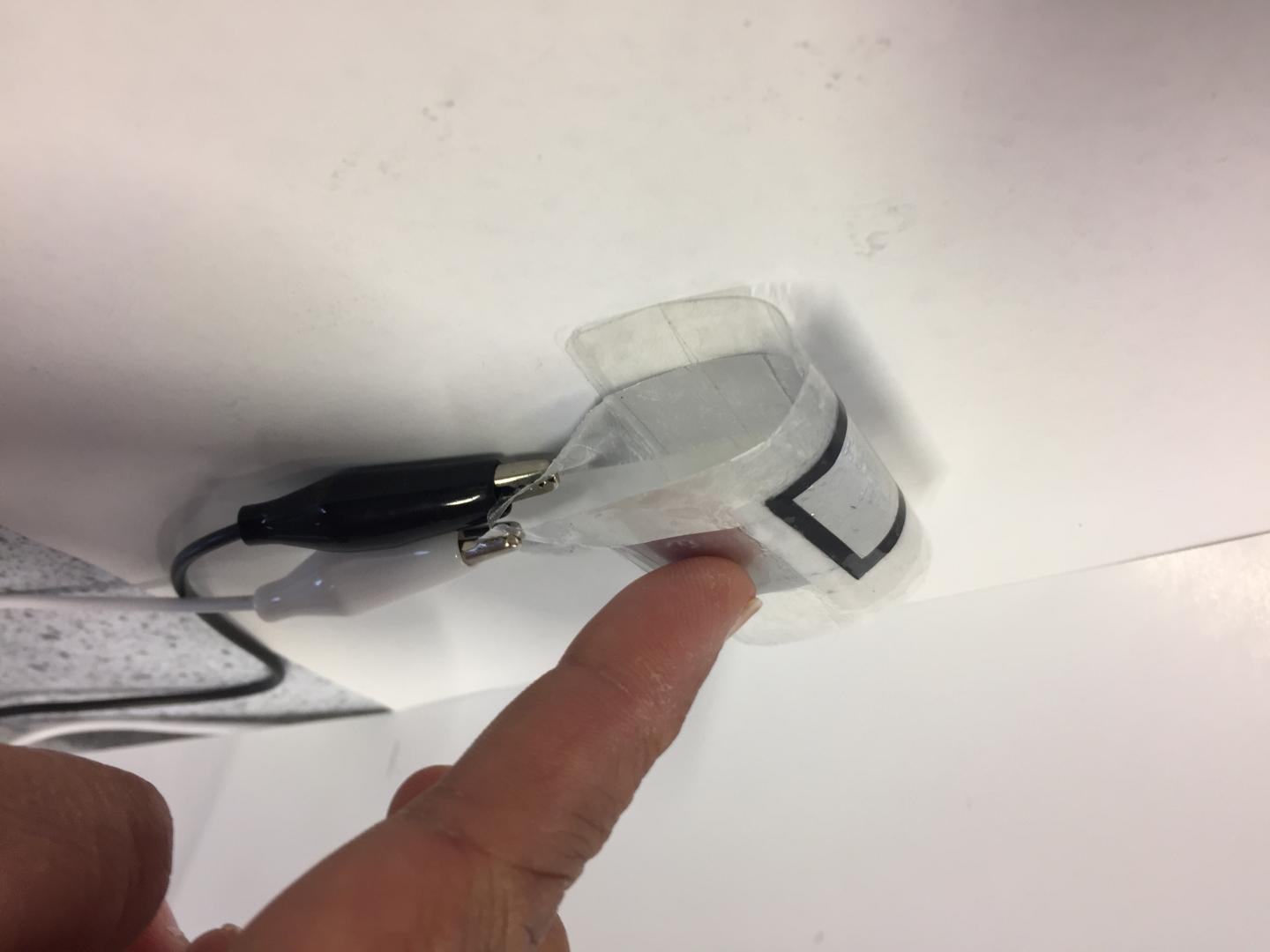
Dr Geetha Srinivasan and a team of young researchers from Queen’s University Ionic Liquid Laboratories (QUILL) Research Centre, have now developed a flexible supercapacitor with a longer cycle life, which could power body sensors.

The flexible device is made up of non-flammable electrolytes and organic composites, which are safe to the human body. It can also be easily decomposed without incurring the major costs associated with recycling or disposing off metal based batteries.

The findings, which have been published in Energy Technology and Green Chemistry, show that the device could be manufactured using readily available natural feedstock, rather than sophisticated and expensive metals or semiconductors.

Dr Srinivasan explains: “In modern society, we all increasingly depend on portable electronics such as smartphones and laptops in our everyday lives and this trend has spread to other important areas such as healthcare devices.

“In medical devices such as pacemakers and defibrillators there are two implants, one which is fitted in the heart and another which holds the metal based, rigid batteries – this is implanted under the skin.

“The implant under the skin is wired to the device and can cause patients discomfort as it is rubs against the skin. For this reason batteries need to be compatible to the human body and ideally we would like them to be flexible so that they can adapt to body shapes.”

Dr Srinivasan adds: “At Queen’s University Belfast we have designed a flexible energy storage device, which consists of conducting polymer – biopolymer composites as durable electrodes and ionic liquids as safer electrolytes.

“The device we have created has a longer life-cycle, is non-flammable, has no leakage issues and above all, it is more flexible for placing within the body.”

While the findings show that there are many advantages in the medical world, the organic storage device could also provide solutions in wearable electronics and portable electronic devices, making these more flexible.

Ms Marta Lorenzo, PhD researcher on the project at Queen’s University Belfast, commented: “Although this research could be a potential solution to a global problem, the actual supercapacitor assembly is a straightforward process.”

Dr Srinivasan says: “There is also opportunity to fabricate task-specific supercapacitors. This means that their properties can be tuned and also manufactured using environmentally friendly methods, which is important if they are to be produced on a large scale, for example in powering portable personal electronic devices.”
Related Articles Read More >

SwRI and SMU join push to engineer solid-state battery interfaces
UC San Diego engineers found a short-cut to higher-energy recycled EV batteries 
Researchers use hydrothermal carbonization to turn distillery waste into supercapacitor electrodes
175 Wh/kg: How CATL’s Naxtra Architecture Moves Sodium-Ion Beyond the Lab
rd newsletter
EXPAND YOUR KNOWLEDGE AND STAY CONNECTED
Get the latest info on technologies, trends, and strategies in Research & Development.

R&D World Digital Issues

Fall 2025 issue

Browse the most current issue of R&D World and back issues in an easy to use high quality format. Clip, share and download with the leading R&D magazine today.

R&D 100 Awards
Research & Development World
  • Subscribe to R&D World Magazine
  • Sign up for R&D World’s newsletter
  • Contact Us
  • About Us
  • Drug Discovery & Development
  • Pharmaceutical Processing
  • Global Funding Forecast

Copyright © 2026 Arrowfly LLC. All Rights Reserved. The material on this site may not be reproduced, distributed, transmitted, cached or otherwise used, except with the prior written permission of Arrowfly
Privacy Policy | Advertising | About Us

Search R&D World

  • R&D World Home
  • Topics
    • Aerospace
    • Automotive
    • Biotech
    • Careers
    • Chemistry
    • Environment
    • Energy
    • Life Science
    • Material Science
    • R&D Management
    • Physics
  • Technology
    • 3D Printing
    • A.I./Robotics
    • Software
    • Battery Technology
    • Controlled Environments
      • Cleanrooms
      • Graphene
      • Lasers
      • Regulations/Standards
      • Sensors
    • Imaging
    • Nanotechnology
    • Scientific Computing
      • Big Data
      • HPC/Supercomputing
      • Informatics
      • Security
    • Semiconductors
  • R&D Market Pulse
  • R&D 100
    • 2025 R&D 100 Award Winners
    • 2025 Professional Award Winners
    • 2025 Special Recognition Winners
    • R&D 100 Awards Event
    • R&D 100 Submissions
    • Winner Archive
  • Resources
    • Research Reports
    • Digital Issues
    • Educational Assets
    • Subscribe
    • Video
    • Webinars
    • PharmSci360
    • Content submission guidelines for R&D World
  • Global Funding Forecast
  • Top Labs
  • Advertise
  • SUBSCRIBE