Research & Development World

  • R&D World Home
  • Topics
    • Aerospace
    • Automotive
    • Biotech
    • Careers
    • Chemistry
    • Environment
    • Energy
    • Life Science
    • Material Science
    • R&D Management
    • Physics
  • Technology
    • 3D Printing
    • A.I./Robotics
    • Software
    • Battery Technology
    • Controlled Environments
      • Cleanrooms
      • Graphene
      • Lasers
      • Regulations/Standards
      • Sensors
    • Imaging
    • Nanotechnology
    • Scientific Computing
      • Big Data
      • HPC/Supercomputing
      • Informatics
      • Security
    • Semiconductors
  • R&D Market Pulse
  • R&D 100
    • 2025 R&D 100 Award Winners
    • 2025 Professional Award Winners
    • 2025 Special Recognition Winners
    • R&D 100 Awards Event
    • R&D 100 Submissions
    • Winner Archive
  • Resources
    • Research Reports
    • Digital Issues
    • Educational Assets
    • Subscribe
    • Video
    • Webinars
    • PharmSci360
    • Content submission guidelines for R&D World
  • Global Funding Forecast
  • Top Labs
  • Advertise
  • SUBSCRIBE

MRI Technique Can Forecast Survival, Treatment Response in Patients with Brain Metastasis

By Kenny Walter | December 12, 2017

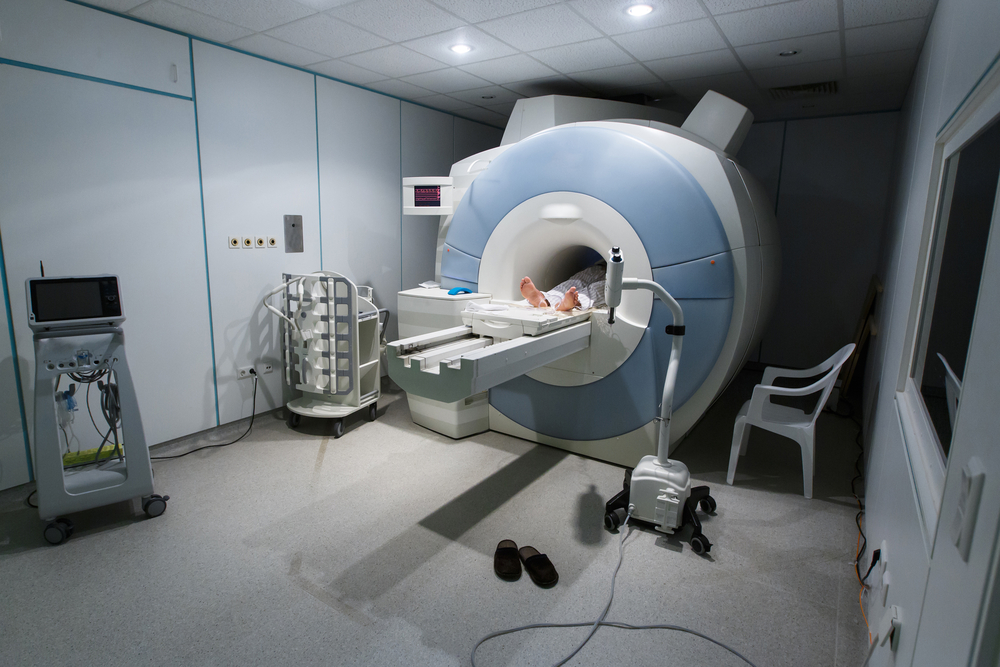
A common medical test may help predict how long patients with cancer that has spread to the brain might survive and whether they are likely to respond to immunotherapy.

Researchers from the University of Liverpool and the Walton Centre in Liverpool utilized a novel MRI technique called Diffusion Tensor Imaging (DTI), which has the potential to remove the need for patients to undergo costly and dangerous biopsies.

Cancer is often treated with chemotherapy or with targeted therapies including immunotherapy, which works by stimulating the body’s immune system to fight cancer and does not come with as many of the debilitating side effects as chemotherapy.

However, it does not work for everyone or for every type of cancer and there is no simple test to determine who is likely to benefit.

“There is huge excitement about immune therapy in brain tumors but without the time and risk of a neurosurgical operation it is impossible to know which patients should have treatment,” Walton Centre Research Fellow Dr. Rasheed Zakaria, said in a statement. “Since most patients with a brain tumor undergo MRI scanning we asked the simple question, are there any changes on the MRI scans that correlate with the brain’s immunological reaction to the cancer?”

The researchers used DTI to analyze brain tumors from appropriate patients. They then sampled the same areas for comparative biochemical tests.

This revealed that the higher the level of immune reactive cells around the tumors, the longer a patient survives, irrespective of the cancer type of other biological parameters. That level matched what was derived from the DTI technique.

“The result suggests that the immune system is holding in check some metastatic cancers and that monitoring just one metastasis in the brain is a reflection of the body’s overall control of the disease,” Philip Rudland, Ph.D., a professor at the University of Liverpool, said in a statement.

The researchers now plan on repeating the study with a larger group of patients with brain metastasis to validate the findings. They will then trial the approach in selecting patients for immunotherapy.

The study was published in Cancer Research.   



Related Articles Read More >

July 2026 issue of Medical Design & Outsourcing: Robotic stroke telesurgery’s time is now
Perseverance uncovers buried evidence of Mars’ ancient water history using ground-penetrating radar
University of Michigan researchers identify higher-order protein rings that regulate programmed cell death
JWST spots a 6-mile moon hiding in Uranus’ rings
rd newsletter
EXPAND YOUR KNOWLEDGE AND STAY CONNECTED
Get the latest info on technologies, trends, and strategies in Research & Development.

R&D World Digital Issues

Fall 2025 issue

Browse the most current issue of R&D World and back issues in an easy to use high quality format. Clip, share and download with the leading R&D magazine today.

R&D 100 Awards
Research & Development World
  • Subscribe to R&D World Magazine
  • Sign up for R&D World’s newsletter
  • Contact Us
  • About Us
  • Drug Discovery & Development
  • Pharmaceutical Processing
  • Global Funding Forecast

Copyright © 2026 Arrowfly LLC. All Rights Reserved. The material on this site may not be reproduced, distributed, transmitted, cached or otherwise used, except with the prior written permission of Arrowfly
Privacy Policy | Advertising | About Us

Search R&D World

  • R&D World Home
  • Topics
    • Aerospace
    • Automotive
    • Biotech
    • Careers
    • Chemistry
    • Environment
    • Energy
    • Life Science
    • Material Science
    • R&D Management
    • Physics
  • Technology
    • 3D Printing
    • A.I./Robotics
    • Software
    • Battery Technology
    • Controlled Environments
      • Cleanrooms
      • Graphene
      • Lasers
      • Regulations/Standards
      • Sensors
    • Imaging
    • Nanotechnology
    • Scientific Computing
      • Big Data
      • HPC/Supercomputing
      • Informatics
      • Security
    • Semiconductors
  • R&D Market Pulse
  • R&D 100
    • 2025 R&D 100 Award Winners
    • 2025 Professional Award Winners
    • 2025 Special Recognition Winners
    • R&D 100 Awards Event
    • R&D 100 Submissions
    • Winner Archive
  • Resources
    • Research Reports
    • Digital Issues
    • Educational Assets
    • Subscribe
    • Video
    • Webinars
    • PharmSci360
    • Content submission guidelines for R&D World
  • Global Funding Forecast
  • Top Labs
  • Advertise
  • SUBSCRIBE