Research & Development World

  • R&D World Home
  • Topics
    • Aerospace
    • Automotive
    • Biotech
    • Careers
    • Chemistry
    • Environment
    • Energy
    • Life Science
    • Material Science
    • R&D Management
    • Physics
  • Technology
    • 3D Printing
    • A.I./Robotics
    • Software
    • Battery Technology
    • Controlled Environments
      • Cleanrooms
      • Graphene
      • Lasers
      • Regulations/Standards
      • Sensors
    • Imaging
    • Nanotechnology
    • Scientific Computing
      • Big Data
      • HPC/Supercomputing
      • Informatics
      • Security
    • Semiconductors
  • R&D Market Pulse
  • R&D 100
    • 2025 R&D 100 Award Winners
    • 2025 Professional Award Winners
    • 2025 Special Recognition Winners
    • R&D 100 Awards Event
    • R&D 100 Submissions
    • Winner Archive
  • Resources
    • Research Reports
    • Digital Issues
    • Educational Assets
    • Subscribe
    • Video
    • Webinars
    • Content submission guidelines for R&D World
  • Global Funding Forecast
  • Top Labs
  • Advertise
  • SUBSCRIBE

Painkillers in Pregnancy May Affect Baby’s Fertility

By University of Edinburgh | April 16, 2018

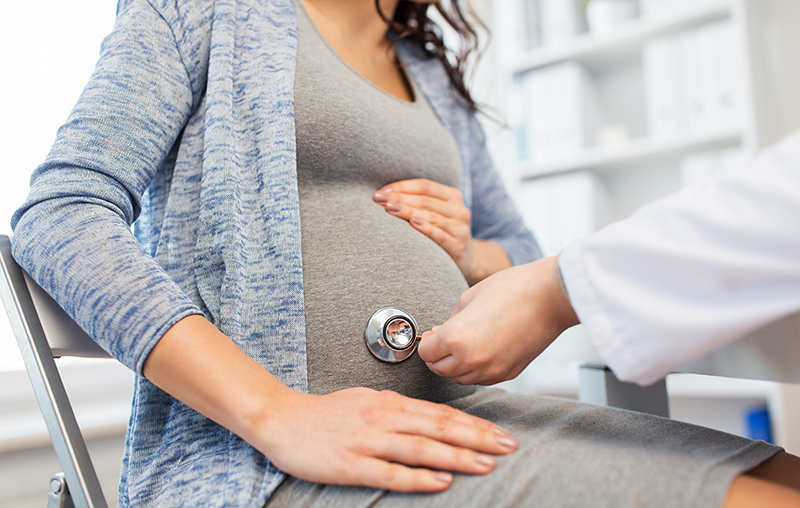
Taking painkillers during pregnancy could affect the fertility of the unborn child in later life, research suggests.

The study identifies that these drugs may also affect the fertility of future generations, by leaving marks on DNA.

The findings add to a growing body of evidence that certain medicines, including paracetamol, should be used with caution during pregnancy.

Current Guidelines
Researchers stress that advice for pregnant women remains unchanged.

Current guidelines say that, if necessary, paracetamol – also known as acetaminophen – should be used at the lowest possible dose for the shortest possible time. Ibuprofen should be avoided during pregnancy.

Tissue Samples
Scientists at the University of Edinburgh looked at the effects of paracetamol and ibuprofen on samples of human fetal testes and ovaries.

They found similar effects using several different experimental approaches, including lab tests on human tissue samples and animal studies.

Lab Tests
Human tissues exposed to either drug for one week in a dish had reduced numbers of cells that give rise to sperm and eggs, called germ cells, the study found.

Ovaries exposed to paracetamol for one week had more than 40 per cent fewer egg-producing cells. After ibuprofen exposure, the number of cells was almost halved.

Experts say this is important because girls produce all of their eggs in the womb, so if they are born with a reduced number it could lead to an early menopause.

Male Fertility
Painkiller exposure during development could have effects on unborn boys too, the study found.

Testicular tissue exposed to painkillers in a culture dish had around a quarter fewer sperm-producing cells after exposure to paracetamol or ibuprofen.

Graft Studies
The team also tested the effects of painkiller treatment on mice that carried grafts of human fetal testicular tissue.

These grafts have been shown to mimic how the testes grow and function during development in the womb.

Relevant Dose
After just one day of treatment with a human-equivalent dose of paracetamol, the number of sperm-producing cells in the graft tissue had dropped by 17 percent.

After a week of drug treatment, there were almost one third fewer cells.

Future Generations
Previous studies with rats have shown that painkillers administered in pregnancy led to a reduction in germ cells in female offspring.

This affected their fertility and the fertility of females in subsequent generations.

Biological Mechanism
The scientists found that exposure to paracetamol or ibuprofen triggers mechanisms in the cell that make changes in the structure of DNA, called epigenetic marks.

These marks can be inherited, helping to explain how the effects of painkillers on fertility may be passed on to future generations.

Painkillers’ effects on germ cells are likely caused by their actions on molecules called prostaglandins, which have key functions in the ovaries and testes, the researchers found.

The study, published in Environmental Health Perspectives, was funded by the Medical Research Council, Wellcome and the British Society of Paediatric Endocrinology and Diabetes.

SOURCE: University of Edinburgh

Related Articles Read More >

AI image firm Midjourney spins up health division, unveils ‘Ultrasonic CT’
Q&A: Owkin’s five-year Sanofi deal bets on ‘purpose-built’ AI agents
Genetically modified hookworms could produce and deliver therapeutics within a host
Five costly mistakes when scaling spray drying from lab to commercial production
rd newsletter
EXPAND YOUR KNOWLEDGE AND STAY CONNECTED
Get the latest info on technologies, trends, and strategies in Research & Development.

R&D World Digital Issues

Fall 2025 issue

Browse the most current issue of R&D World and back issues in an easy to use high quality format. Clip, share and download with the leading R&D magazine today.

R&D 100 Awards
Research & Development World
  • Subscribe to R&D World Magazine
  • Sign up for R&D World’s newsletter
  • Contact Us
  • About Us
  • Drug Discovery & Development
  • Pharmaceutical Processing
  • Global Funding Forecast

Copyright © 2026 WTWH Media LLC. All Rights Reserved. The material on this site may not be reproduced, distributed, transmitted, cached or otherwise used, except with the prior written permission of WTWH Media
Privacy Policy | Advertising | About Us

Search R&D World

  • R&D World Home
  • Topics
    • Aerospace
    • Automotive
    • Biotech
    • Careers
    • Chemistry
    • Environment
    • Energy
    • Life Science
    • Material Science
    • R&D Management
    • Physics
  • Technology
    • 3D Printing
    • A.I./Robotics
    • Software
    • Battery Technology
    • Controlled Environments
      • Cleanrooms
      • Graphene
      • Lasers
      • Regulations/Standards
      • Sensors
    • Imaging
    • Nanotechnology
    • Scientific Computing
      • Big Data
      • HPC/Supercomputing
      • Informatics
      • Security
    • Semiconductors
  • R&D Market Pulse
  • R&D 100
    • 2025 R&D 100 Award Winners
    • 2025 Professional Award Winners
    • 2025 Special Recognition Winners
    • R&D 100 Awards Event
    • R&D 100 Submissions
    • Winner Archive
  • Resources
    • Research Reports
    • Digital Issues
    • Educational Assets
    • Subscribe
    • Video
    • Webinars
    • Content submission guidelines for R&D World
  • Global Funding Forecast
  • Top Labs
  • Advertise
  • SUBSCRIBE