Research & Development World

  • R&D World Home
  • Topics
    • Aerospace
    • Automotive
    • Biotech
    • Careers
    • Chemistry
    • Environment
    • Energy
    • Life Science
    • Material Science
    • R&D Management
    • Physics
  • Technology
    • 3D Printing
    • A.I./Robotics
    • Software
    • Battery Technology
    • Controlled Environments
      • Cleanrooms
      • Graphene
      • Lasers
      • Regulations/Standards
      • Sensors
    • Imaging
    • Nanotechnology
    • Scientific Computing
      • Big Data
      • HPC/Supercomputing
      • Informatics
      • Security
    • Semiconductors
  • R&D Market Pulse
  • R&D 100
    • 2025 R&D 100 Award Winners
    • 2025 Professional Award Winners
    • 2025 Special Recognition Winners
    • R&D 100 Awards Event
    • R&D 100 Submissions
    • Winner Archive
  • Resources
    • Research Reports
    • Digital Issues
    • Educational Assets
    • Subscribe
    • Video
    • Webinars
    • Content submission guidelines for R&D World
  • Global Funding Forecast
  • Top Labs
  • Advertise
  • SUBSCRIBE

Replacing Some Old Pipes Can Still Result in Lead-Contaminated Water

By American Chemical Society | August 9, 2017

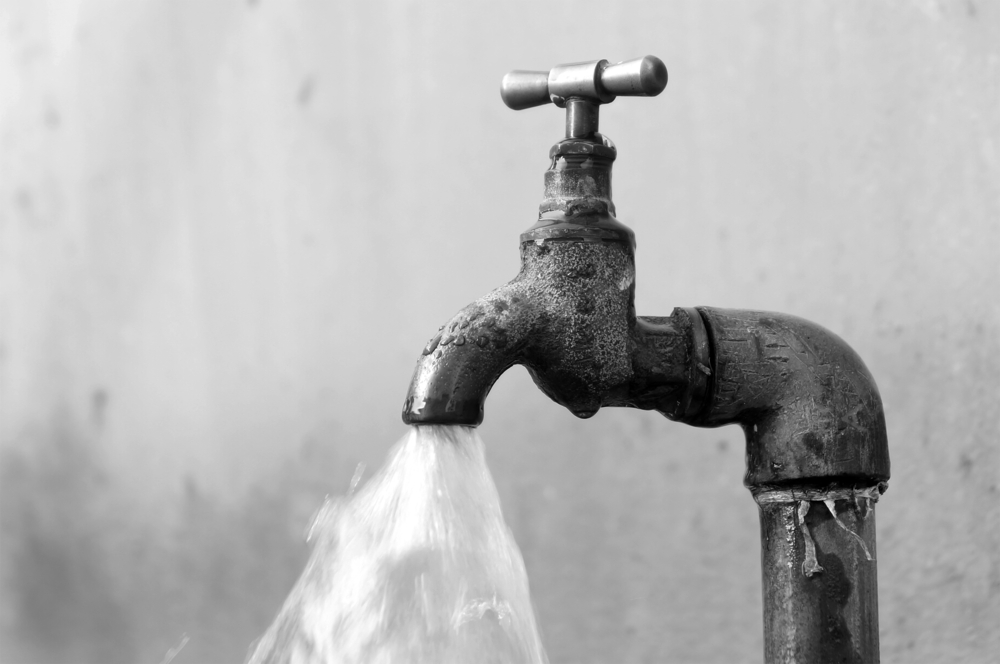
Lead in drinking water is a decades-old problem and still poses serious public health risks today. In response, utilities are replacing segments of old lead pipes that are causing the contamination. Surprisingly, researchers report in ACS’ Environmental Science & Technologythat although partial line replacements can decrease lead levels in tap water, concentrations spike right after line replacement and can remain elevated for months afterward.

Flint, Michigan’s, drinking water crisis two years ago shined a painful spotlight on the nation’s aging water infrastructure. To abate the threat of lead leaching from old lines into drinking water, utilities are changing out parts of old lead service lines. This approach has sparked debate, however. Some studies suggest that upgrading segments of service lines instead of a full system replacement might not reduce lead in tap water. Michèle Prévost, Elise Deshommes and colleagues wanted to get a better idea of how well such programs might be working.

The researchers analyzed water samples taken from household taps in Montreal for up to 20 months. Lead lines to the homes were either not upgraded at all or were at various stages of either partial or full replacement. When compared to homes with no line replacement, those with recent partial line replacements had lower lead levels in their water, but 61 percent of these samples still exceeded the World Health Organization reference value of 10 micrograms/liter. Homes with lines that underwent partial replacement more than two years before the study began or that received a full upgrade had the lowest levels. Additionally, immediately after partial line changes, lead concentrations in one of the houses spiked to more than 25,000 micrograms/liter at the kitchen tap.

The researchers emphasize that a number of factors can affect lead levels to any given home, so the results are specific to the houses in the study. But the findings do suggest that full service line replacement or flushing the replaced pipes before consumption should be priorities, the researchers say. In addition, they note that informing customers of potential contamination and explaining how to address it could help.


Related Articles Read More >

Trump administration to dismantle ocean observatories that provide data freely to researchers
Atmospheric carbon dioxide hits record 431 ppm as Mauna Loa Observatory faces funding cuts
Microplastics may contribute to global warming new research indicates
Researchers use CRISPR to engineer plastic eating microbe
rd newsletter
EXPAND YOUR KNOWLEDGE AND STAY CONNECTED
Get the latest info on technologies, trends, and strategies in Research & Development.

R&D World Digital Issues

Fall 2025 issue

Browse the most current issue of R&D World and back issues in an easy to use high quality format. Clip, share and download with the leading R&D magazine today.

R&D 100 Awards
Research & Development World
  • Subscribe to R&D World Magazine
  • Sign up for R&D World’s newsletter
  • Contact Us
  • About Us
  • Drug Discovery & Development
  • Pharmaceutical Processing
  • Global Funding Forecast

Copyright © 2026 WTWH Media LLC. All Rights Reserved. The material on this site may not be reproduced, distributed, transmitted, cached or otherwise used, except with the prior written permission of WTWH Media
Privacy Policy | Advertising | About Us

Search R&D World

  • R&D World Home
  • Topics
    • Aerospace
    • Automotive
    • Biotech
    • Careers
    • Chemistry
    • Environment
    • Energy
    • Life Science
    • Material Science
    • R&D Management
    • Physics
  • Technology
    • 3D Printing
    • A.I./Robotics
    • Software
    • Battery Technology
    • Controlled Environments
      • Cleanrooms
      • Graphene
      • Lasers
      • Regulations/Standards
      • Sensors
    • Imaging
    • Nanotechnology
    • Scientific Computing
      • Big Data
      • HPC/Supercomputing
      • Informatics
      • Security
    • Semiconductors
  • R&D Market Pulse
  • R&D 100
    • 2025 R&D 100 Award Winners
    • 2025 Professional Award Winners
    • 2025 Special Recognition Winners
    • R&D 100 Awards Event
    • R&D 100 Submissions
    • Winner Archive
  • Resources
    • Research Reports
    • Digital Issues
    • Educational Assets
    • Subscribe
    • Video
    • Webinars
    • Content submission guidelines for R&D World
  • Global Funding Forecast
  • Top Labs
  • Advertise
  • SUBSCRIBE