Research & Development World

  • R&D World Home
  • Topics
    • Aerospace
    • Automotive
    • Biotech
    • Careers
    • Chemistry
    • Environment
    • Energy
    • Life Science
    • Material Science
    • R&D Management
    • Physics
  • Technology
    • 3D Printing
    • A.I./Robotics
    • Software
    • Battery Technology
    • Controlled Environments
      • Cleanrooms
      • Graphene
      • Lasers
      • Regulations/Standards
      • Sensors
    • Imaging
    • Nanotechnology
    • Scientific Computing
      • Big Data
      • HPC/Supercomputing
      • Informatics
      • Security
    • Semiconductors
  • R&D Market Pulse
  • R&D 100
    • 2025 R&D 100 Award Winners
    • 2025 Professional Award Winners
    • 2025 Special Recognition Winners
    • R&D 100 Awards Event
    • R&D 100 Submissions
    • Winner Archive
  • Resources
    • Research Reports
    • Digital Issues
    • Educational Assets
    • Subscribe
    • Video
    • Webinars
    • Content submission guidelines for R&D World
  • Global Funding Forecast
  • Top Labs
  • Advertise
  • SUBSCRIBE

Seal Serum Offers Protection From Inflammation

By University of Connecticut | July 10, 2018

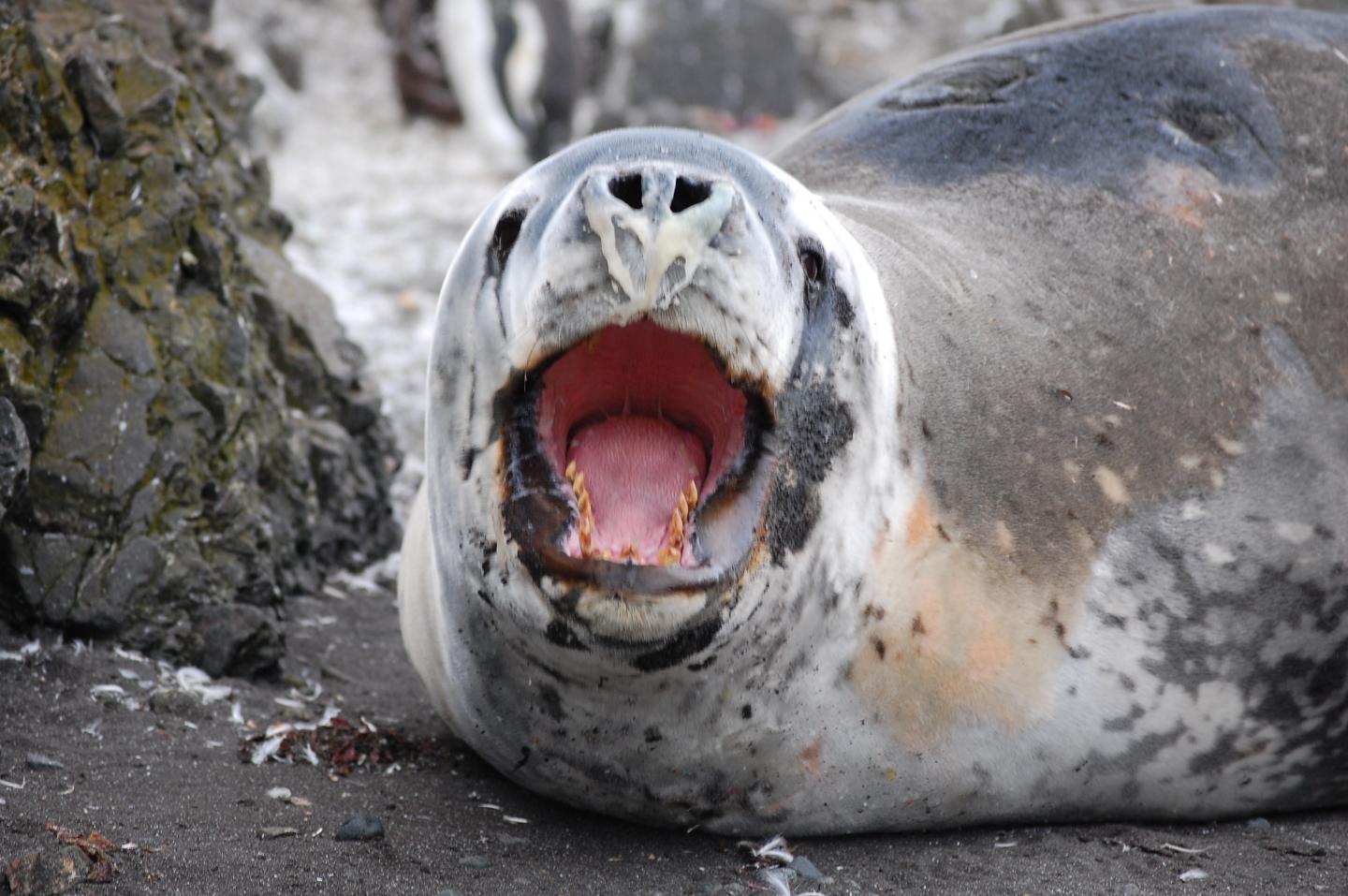
Seal lungs can take a terrible pounding when one of the mammals leaves the surface. When the lungs collapse during deep descents in order to protect the animal, the delicate tissues incur damage as they are crushed, then suffer blood and oxygen flooding back when the animals return to the surface. In addition, the fragile tissues could suffer inflammation, which is usually triggered to heal any damage.

Yet a team of researchers from various institutions across the United States, including Allyson Hindle of Harvard Medical School and Milton Levin of the University of Connecticut, found no evidence of damage to pulmonary tissues in these deep-diving species.

Their study is published in the July 9 edition of Journal of Experimental Biology.

Wondering how elephant seals and Weddell seals protect their lungs from the potentially damaging inflammatory response that should be triggered by the injuries to which the lungs are exposed when they make a deep dive, the team tested whether blood samples from the two species offered any protection from the effects of inflammation triggered by a bacterial toxin, lipopolysaccharide.

Impressively, the toxin triggered barely any inflammatory response in the seal blood, in contrast to human blood samples, which experience inflammation 50 to 500 times greater. And when the team added serum extracted from seal blood to mouse immune cells, the serum quenched the inflammatory response.

“These data suggest that seal serum possesses anti-inflammatory properties, which may protect deep divers from naturally occurring inflammatory challenges, such as dive-induced hypoxia-deoxygenation and lung collapse,” say the researchers. They would like to identify the protective compounds, in the hope of being able to use them to extend the survival of organs used in life-saving transplant surgery.

Related Articles Read More >

Medable’s Digital Data Flow Agent focuses on protocol translation as the agentic race accelerates
AI image firm Midjourney spins up health division, unveils ‘Ultrasonic CT’
Q&A: Owkin’s five-year Sanofi deal bets on ‘purpose-built’ AI agents
Genetically modified hookworms could produce and deliver therapeutics within a host
rd newsletter
EXPAND YOUR KNOWLEDGE AND STAY CONNECTED
Get the latest info on technologies, trends, and strategies in Research & Development.

R&D World Digital Issues

Fall 2025 issue

Browse the most current issue of R&D World and back issues in an easy to use high quality format. Clip, share and download with the leading R&D magazine today.

R&D 100 Awards
Research & Development World
  • Subscribe to R&D World Magazine
  • Sign up for R&D World’s newsletter
  • Contact Us
  • About Us
  • Drug Discovery & Development
  • Pharmaceutical Processing
  • Global Funding Forecast

Copyright © 2026 WTWH Media LLC. All Rights Reserved. The material on this site may not be reproduced, distributed, transmitted, cached or otherwise used, except with the prior written permission of WTWH Media
Privacy Policy | Advertising | About Us

Search R&D World

  • R&D World Home
  • Topics
    • Aerospace
    • Automotive
    • Biotech
    • Careers
    • Chemistry
    • Environment
    • Energy
    • Life Science
    • Material Science
    • R&D Management
    • Physics
  • Technology
    • 3D Printing
    • A.I./Robotics
    • Software
    • Battery Technology
    • Controlled Environments
      • Cleanrooms
      • Graphene
      • Lasers
      • Regulations/Standards
      • Sensors
    • Imaging
    • Nanotechnology
    • Scientific Computing
      • Big Data
      • HPC/Supercomputing
      • Informatics
      • Security
    • Semiconductors
  • R&D Market Pulse
  • R&D 100
    • 2025 R&D 100 Award Winners
    • 2025 Professional Award Winners
    • 2025 Special Recognition Winners
    • R&D 100 Awards Event
    • R&D 100 Submissions
    • Winner Archive
  • Resources
    • Research Reports
    • Digital Issues
    • Educational Assets
    • Subscribe
    • Video
    • Webinars
    • Content submission guidelines for R&D World
  • Global Funding Forecast
  • Top Labs
  • Advertise
  • SUBSCRIBE