iDEL Therapeutics is developing a new method to deliver drug payloads directly into the cytosol, bypassing traditional cellular degradation pathways. The company is launching with a €9 million seed financing round led by BiomedVC to advance its Direct Cytosolic Transfer (DCT) technology.
Credit: iDEL
Many current therapies that bind to receptors are internalized but become stuck in endosomes or lysosomes, where the drug is degraded before reaching their target. The company is developing a pipeline of cancer therapeutics that are delivered directly into the cytosol of tumor cells. iDEL’s new approach is compatible with both large and small molecules and aims to unlock historically undruggable intracellular targets and broaden therapeutic windows across cancer indications, the company said.
Bypassing the endosomal trap with direct cytosolic transfer
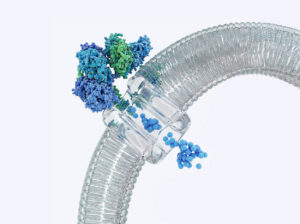
iDEL’s shuttle is chemically synthesized to bind to specific transporters that are overexpressed in tumor cells, explained CEO Marcus Kostka. The shuttle is designed to use the normal physiological properties of the transporters to bring the payload directly into the cytosol. This differs from other approaches that bind to a receptor. In these methods, the drug gets stuck in the endosome and is degraded.
“We showed that by going intravenously with our shuttle, we can bring this to the tumor. It is taken up in the cytosol and is doing the action. So we have a significant anti-tumor effect in vivo,” Kostka said. “I’ve never seen a result from another company that showed that with an IV administration, you can deliver a protein into the cell, and it is also functional.”
DCT is intended as an alternative approach to intracellular delivery, designed to overcome the primary limitation of receptor-mediated endocytosis: endosomal entrapment. While traditional methods often result in the drug being sequestered and degraded in lysosomes, DCT facilitates immediate entry into the cellular cytosol.
Evaluating a size-agnostic platform for varied payload sizes
According to the company, the DCT platform is intended to be agnostic to molecular size, with the potential to deliver payloads ranging from small molecules like siRNA to large molecules such as complete antibodies. Preclinical investigations conducted by iDEL show that once the payload reaches the cytosol, it achieves high concentrations and remains functional for several days. By achieving high intracellular exposure and sustained tumor retention, the technology aims to broaden the therapeutic window across various solid tumor indications.
iDEL has demonstrated in vivo success by delivering a single-domain antibody intravenously to a tumor, resulting in a significant anti-tumor effect. The platform has shown uptake in over 50 different human cancer cell types without requiring specific tumor antigens.
Seed funding targets preclinical validation and clinical path
The proceeds will be used to advance iDEL Therapeutics’ two proprietary lead programs toward clinical evaluation. Leveraging different modalities with the potential to address a range of solid tumors, the pipeline candidates are based on the company’s proprietary shuttling technology. The platform is designed to evade endosomal entrapment and prevent subsequent degradation of the transported compound, a factor that can impair drug delivery and treatment efficacy, particularly for large molecules such as antibodies and their derivatives.
The first program aims to validate the platform’s ability to deliver large molecules to historically undruggable intracellular targets. The second is being positioned as an alternative to antibody-drug conjugates (ADCs) that would not require specific tumor antigens, as iDEL’s target transporters are overexpressed across various cancers.
With €9 million in seed funding, iDEL Therapeutics is entering a critical three-year validation period to test its DCT technology. By utilizing the natural transport mechanisms of tumor cells, the Dortmund-based startup aims to provide a delivery route for both small molecules and full-sized antibodies to reach intracellular targets directly. Moving forward, the company’s leadership team will focus on pushing its lead programs toward clinical trials to determine if this bioengineering approach can successfully translate into viable therapies for historically undruggable oncogenes.