Research & Development World

  • R&D World Home
  • Topics
    • Aerospace
    • Automotive
    • Biotech
    • Careers
    • Chemistry
    • Environment
    • Energy
    • Life Science
    • Material Science
    • R&D Management
    • Physics
  • Technology
    • 3D Printing
    • A.I./Robotics
    • Software
    • Battery Technology
    • Controlled Environments
      • Cleanrooms
      • Graphene
      • Lasers
      • Regulations/Standards
      • Sensors
    • Imaging
    • Nanotechnology
    • Scientific Computing
      • Big Data
      • HPC/Supercomputing
      • Informatics
      • Security
    • Semiconductors
  • R&D Market Pulse
  • R&D 100
    • 2025 R&D 100 Award Winners
    • 2025 Professional Award Winners
    • 2025 Special Recognition Winners
    • R&D 100 Awards Event
    • R&D 100 Submissions
    • Winner Archive
  • Resources
    • Research Reports
    • Digital Issues
    • Educational Assets
    • Subscribe
    • Video
    • Webinars
    • Content submission guidelines for R&D World
  • Global Funding Forecast
  • Top Labs
  • Advertise
  • SUBSCRIBE

Molecular Super Enhancers: A New Key for Targeted Therapy of Brain Cancer in Children

By German Cancer Research Center | December 20, 2017

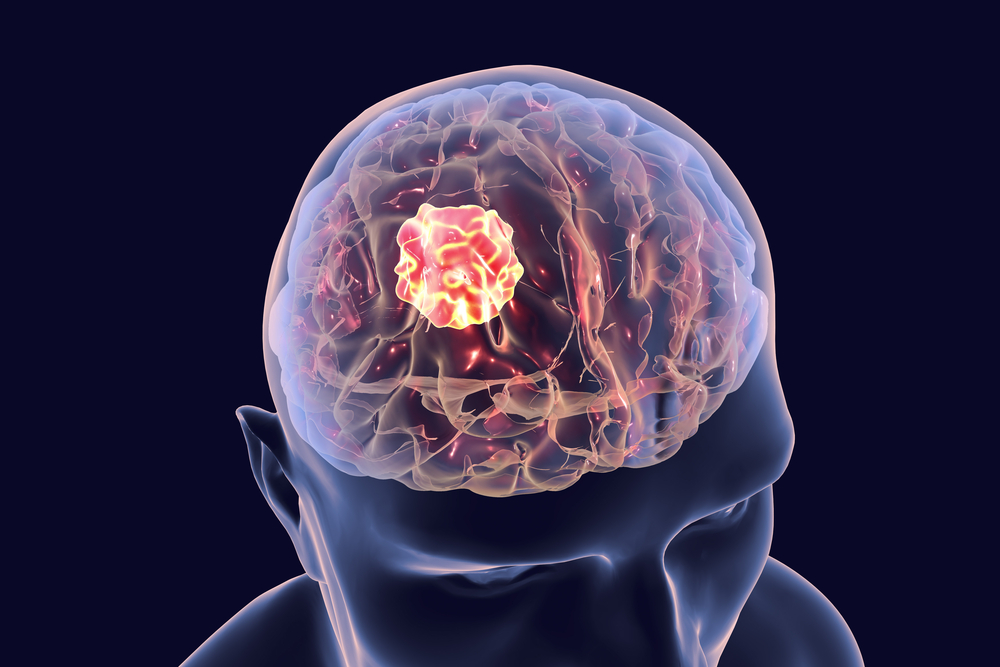
Ependymoma refers to a heterogeneous group of cancers that can occur at any age and is one of the most common types of brain cancer in children. The genetic causes for its development are largely unknown and there are no targeted treatments to date. Scientists from the “Hopp Children’s Cancer Center at the NCT Heidelberg” (KiTZ), in collaboration with colleagues from the U.S.A. and Canada, have now developed a molecular approach that opens new treatment prospects.

The Hopp Children’s Cancer Center at the NCT Heidelberg (KiTZ) is a joint initiative of Heidelberg University Hospital and the German Cancer Research Center (Deutsches Krebsforschungszentrum, DKFZ).

Targeted therapies in cancer medicine are often based on tumor genome sequencing – a technique that makes it possible to identify targets for precision drugs. However, in some cancer types, these structures have not been found to date. This includes ependymoma, a group of brain tumors that are considered to be largely resistant against chemotherapy. Therefore, it would be crucial to find new options for treating them. Ependymoma can affect children as well as adults. In children, it is one of the most frequent types of brain cancer.

In the quest for novel therapeutic approaches in the treatment of ependymoma, a group of scientists from the KiTZ in Heidelberg, collaborating with colleagues of Cleveland Clinic (Ohio, U.S.A.) and the Hospital for Sick Children in Toronto (Canada), have now taken a ‘circuitous route’. Testing an alternative approach, they took a closer look at so-called ‘enhancers’, regions of the genome that regulate the activity of genes, for example by serving as docking sites for regulatory proteins (transcription factors). Groups of enhancers with strong enhancer potential for key cellular processes are also called super enhancers. These have already been linked to tumor development in other cancer types.

“Using various genetic and epigenetic analysis methods to examine 42 ependymoma samples, we were able to identify almost 1700 super-enhancers and assign them to specific molecular groups of ependymoma,” said Marcel Kool, who is a group leader at the Pediatric Neurooncology Division of the German Cancer Research Center (DKFZ) and also works at the KiTZ. “We subsequently demonstrated that many of these super enhancers influence the activity of genes that are implicated in the development of cancer.”

The researchers then took a closer look at the 15 most frequent super enhancers. They were able to demonstrate that these enhancer elements regulate molecules that are involved in key cellular processes and may therefore be used as targets for targeted therapies. “We have thus identified whole new regulatory circuits controlling tumors development in ependymoma. We were able to interrupt these regulatory circuits using specific agents. As a result, the ependymoma cells slowed down their growth and finally died,” said Kristian Pajtler, who is a group leader at DKFZ’s Pediatric Neurooncology Division and a scientist at the KiTZ and he also works as a pediatrician at Heidelberg University Hospital. And Stefan Pfister, head of the KiTZ program “Preclinical Pediatric Oncology”, DKFZ department head and senior physician at Heidelberg University Hospital, sums up: “The research results open prospects of completely new treatment options for children with ependymoma, a group of tumors for which we have lacked good drug-based treatment approaches so far.”

Related Articles Read More >

Genetically modified hookworms could produce and deliver therapeutics within a host
Five costly mistakes when scaling spray drying from lab to commercial production
Leica, Indica Labs and Lunit team up as AI biomarker scoring moves toward clinical scale
Beyond the sequence: how Ötzi the Iceman exposed the blind spots of pure metagenomics
rd newsletter
EXPAND YOUR KNOWLEDGE AND STAY CONNECTED
Get the latest info on technologies, trends, and strategies in Research & Development.

R&D World Digital Issues

Fall 2025 issue

Browse the most current issue of R&D World and back issues in an easy to use high quality format. Clip, share and download with the leading R&D magazine today.

R&D 100 Awards
Research & Development World
  • Subscribe to R&D World Magazine
  • Sign up for R&D World’s newsletter
  • Contact Us
  • About Us
  • Drug Discovery & Development
  • Pharmaceutical Processing
  • Global Funding Forecast

Copyright © 2026 WTWH Media LLC. All Rights Reserved. The material on this site may not be reproduced, distributed, transmitted, cached or otherwise used, except with the prior written permission of WTWH Media
Privacy Policy | Advertising | About Us

Search R&D World

  • R&D World Home
  • Topics
    • Aerospace
    • Automotive
    • Biotech
    • Careers
    • Chemistry
    • Environment
    • Energy
    • Life Science
    • Material Science
    • R&D Management
    • Physics
  • Technology
    • 3D Printing
    • A.I./Robotics
    • Software
    • Battery Technology
    • Controlled Environments
      • Cleanrooms
      • Graphene
      • Lasers
      • Regulations/Standards
      • Sensors
    • Imaging
    • Nanotechnology
    • Scientific Computing
      • Big Data
      • HPC/Supercomputing
      • Informatics
      • Security
    • Semiconductors
  • R&D Market Pulse
  • R&D 100
    • 2025 R&D 100 Award Winners
    • 2025 Professional Award Winners
    • 2025 Special Recognition Winners
    • R&D 100 Awards Event
    • R&D 100 Submissions
    • Winner Archive
  • Resources
    • Research Reports
    • Digital Issues
    • Educational Assets
    • Subscribe
    • Video
    • Webinars
    • Content submission guidelines for R&D World
  • Global Funding Forecast
  • Top Labs
  • Advertise
  • SUBSCRIBE