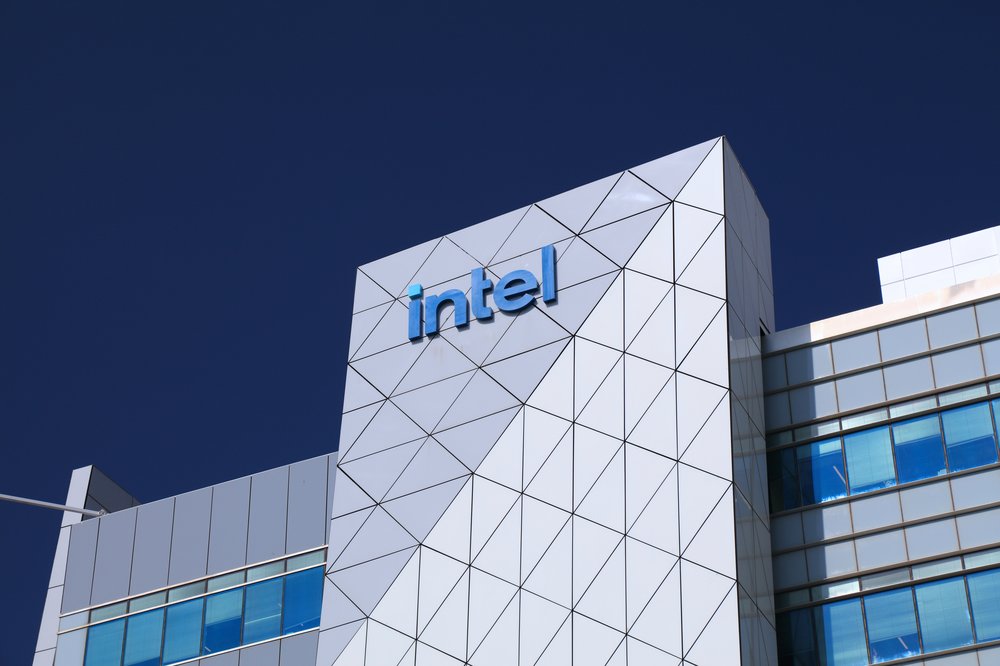
 Intel Corp.’s board barely had time to hand Lip-Bu Tan the keys to the corner office before President Donald Trump grabbed a megaphone. On August 7, 2025, the president blasted Intel’s CEO as “highly conflicted” and called on the chipmaker’s newly installed leader to step down. Coming from a sitting U.S. president, the public rebuke was more than theatre. Intel shares slid 3.8% in afternoon trading. Behind the political sound bite is a deeper story of a once-dominant chip giant facing headwinds that have little to do with politics and a lot to do with mismanagement and fierce competition.
The leadership merry-go-round
Pat Gelsinger, Intel’s previous CEO, was forced out on December 1, 2024 after the board concluded his four-year roadmap to recapture the manufacturing lead had stalled. Under his watch Intel overspent on factories, missed manufacturing deadlines and lost ground in the surging market for AI processors; its market value slumped and it had no credible competitor to Nvidia’s AI chips. Profits collapsed as revenue fell to approximately $54 billion in 2023 and analysts projected billions in losses. Gelsinger’s ambition to build new fabs in Ohio and Europe while simultaneously launching a foundry business left Intel cash-poor. By late 2024 the board’s patience ran out.

Lip-Bu Tan was appointed chief executive officer of Intel Corporation in March 2025. He also serves on the company’s board of directors.
Enter Lip-Bu Tan, a Malaysian-born entrepreneur known for leading Cadence Design Systems from 2009 to 2021 and for investing early in semiconductor start-ups. He took over on March 18, 2025 and inherited a company hemorrhaging market share. Within months, Tan began unwinding much of his predecessor’s expansionist playbook. He introduced a “no more blank checks” mantra and warned that factories would be built only when customer demand existed. Intel cut 15,000 jobs (about 15% of its workforce) in August 2024 under Gelsinger, and Intel plans to reduce its workforce to approximately 75,000 by year-end from about 96,400. Tan has reportedly halted planned chip plants in Poland and Germany, slowed construction in Ohio and said he would personally review each major chip design.
The restructuring is more than cosmetic. According to industry reports, Intel has been reassessing its manufacturing strategy amid challenges in attracting external customers for its advanced processes. The company is spinning off its networking and communications division (formerly NEX) into a stand-alone company and looking for investors. NEX reportedly generated approximately $5.8 billion in 2024, roughly 11 percent of Intel’s sales, but Tan sees greater value in shedding non-core assets and retaining a minority stake. Earlier this year Intel sold a majority stake in its programmable chip unit (Altera) to private-equity firm Silver Lake in a deal that valued the unit at approximately $8.75 billion, barely half what Intel paid in 2015.
The China ties controversy
Tan’s resume includes decades of venture investing in China. Reuters investigations have reported that Tan and his affiliated funds have invested in numerous Chinese semiconductor companies, with some of those firms reportedly linked to the People’s Liberation Army. Reporting revealed that his Walden International fund invested in Semiconductor Manufacturing International Corp. (SMIC), China’s top foundry, until 2021 and maintains stakes alongside Chinese government funds in several ventures. Reuters has reported that Tan has investments in hundreds of Chinese firms through various entities, including companies with ties to defense suppliers. During his tenure at Cadence, the company admitted selling chip-design software to China’s National University of Defense Technology in violation of U.S. export controls and agreed to pay more than $140 million in fines.
These connections drew attention from lawmakers. On Aug. 6 Sen. Tom Cotton, who chairs the Senate Intelligence Committee, wrote Intel’s board asking whether Tan had divested his Chinese holdings and why the board overlooked his links to sanctioned firms. Cotton’s letter referenced the Reuters findings and noted that companies receiving federal subsidies under the CHIPS and Science Act should comply with national-security rules. Intel responded that both the company and its CEO “are deeply committed to national security,” but the pressure didn’t stop there.
On Aug. 7 Trump amplified Cotton’s concerns. “The CEO of INTEL is highly CONFLICTED and must resign, immediately,” he posted on Truth Social (as reported by Reuters). Trump’s demand came amid his broader push for tariffs on imported goods, including recent proposals targeting semiconductor imports as part of efforts to boost U.S. manufacturing. The timing fueled speculation that Intel’s leadership row is as much about geopolitics as corporate governance. Analysts warned that presidential interference in board decisions sets a dangerous precedent. Others noted that Tan does not share the personal rapport with Trump that some tech leaders enjoy, potentially making him an easier target.
Why it matters
Despite its woes, Intel remains a linchpin in U.S. technology. The company has pledged to invest $100 billion in domestic chip production and packaging and has secured nearly $8 billion in CHIPS Act funding. Washington counts on Intel to provide secure supply chains for defense and artificial-intelligence systems. Losing another CEO or delaying strategic decisions could hinder those efforts just as the United States scrambles to catch up with Taiwan’s TSMC in advanced manufacturing and with Nvidia and AMD in AI chips.
Intel’s business metrics underscore the urgency. The company’s profit margins are now about half their historical highs. Its stock has shown volatility in 2025 after plummeting more than 60 percent in 2024, leaving Intel’s market value under $100 billion even as Nvidia sailed past $4 trillion. According to reports, Intel faces challenging financial conditions as it restructures operations. The company has reported significant losses amid revenue pressures and restructuring costs reached $1.9 billion in the June quarter. Reports suggest Tan is reassessing Intel’s manufacturing strategy and slowing some expansion plans as the company seeks to regain competitiveness.